The 2026 Yacht Market: Key Trends and Innovations to Watch
The 2026 Yacht Market: Key Trends and Innovations to Watch
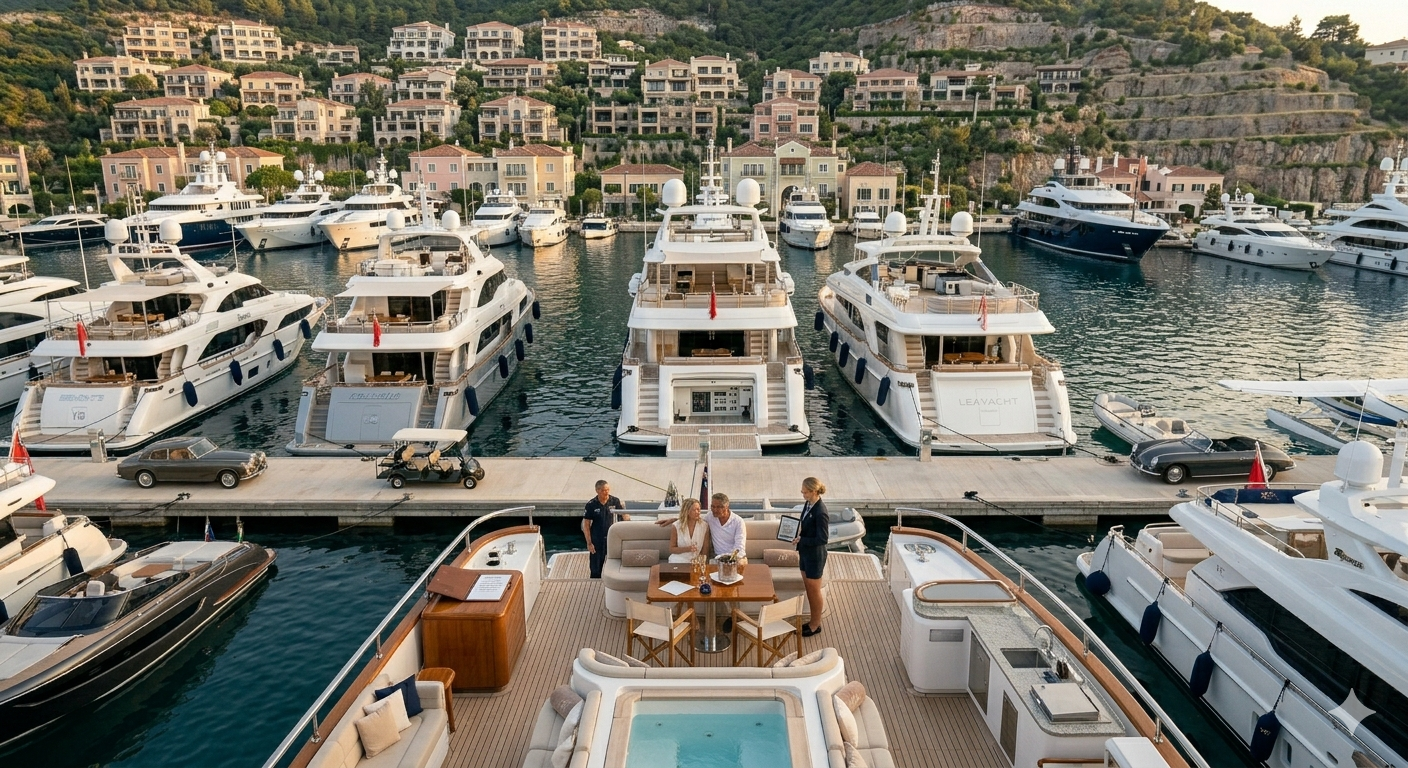
In the serene glow of a late summer sunset, a new era of yachting is quietly making its way over the horizon. The clinking of glasses on a teak deck, the hum of a hybrid engine barely detectable beneath the lapping waves—these sounds are the harbingers of change within an industry long perceived as resistant to disruption. Yet, as 2026 approaches, the yacht market is poised for a transformation driven by sustainability, cutting-edge technology, and a shift in what buyers are seeking from their maritime experiences.
The global yacht industry, once synonymous with opulence and exclusivity, is now embracing inclusivity and innovation. According to recent industry projections, the market is set to exceed $10.7 billion by 2026, fueled by a blend of technological advancements and a fundamental shift in consumer preferences. This growth is not merely a continuation of past trends but rather a reflection of the evolving priorities of a new generation of yacht owners.
A Wave of Sustainability
Imagine boarding a yacht where every aspect of your journey is designed to minimize environmental impact. The industry is seeing a surge in the adoption of hybrid propulsion systems, which promise to significantly reduce carbon emissions while maintaining the luxurious experience that yacht owners expect. Luxury now comes with an eco-conscious twist, and it's not just about the engines; sustainable materials like reclaimed wood and recycled metals are increasingly common in yacht design.
This shift towards sustainability represents more than just a passing fad. It reflects a broader recognition within the industry that future growth depends on aligning luxury with environmental responsibility. The introduction of eco-friendly marinas and green certifications for yachts further underscores the sector's commitment to a cleaner ocean future.
Smart Technology Onboard
In a world where smart homes have become the norm, yachts are not far behind. Imagine a vessel where artificial intelligence systems not only navigate the seas but also anticipate your comfort needs, adjusting lighting, temperature, and even playlist selections based on your preferences. The integration of smart technology into yacht design is a burgeoning trend that offers unprecedented levels of convenience and luxury.
These advances are reshaping the yachting experience. Whether through state-of-the-art navigation systems that plot the most efficient courses or AI-driven maintenance diagnostics that predict potential issues before they arise, technology is enhancing both safety and satisfaction. As buyers become more tech-savvy, their expectations for innovation onboard continue to rise.
Shifting Buyer Preferences
The demographic landscape of yacht ownership is changing. While traditional buyers have often sought solitude and relaxation, younger buyers are prioritizing social interaction and wellness. Yachts are evolving to meet these new demands, with larger communal spaces, wellness centers, and technology-enhanced entertainment areas becoming standard features.
This shift is driven by a younger, more diverse group of buyers who view yachting not just as a status symbol but as an opportunity for shared experiences. Whether hosting a wellness retreat at sea or a digital detox voyage, these buyers are seeking yachts that offer both personal enrichment and social connectivity.
Economic Winds and Market Dynamics
Global economic conditions continue to impact the yacht market, influencing both ownership and chartering trends. Recent fluctuations in the economy have underscored the importance of flexibility within the ownership model. Fractional ownership and chartering are becoming more popular as they offer the luxury of yachting without the commitment of full ownership.
In particular, the charter market is thriving, driven by a growing number of individuals seeking short-term luxury experiences without long-term obligations. Chartering provides a way to enjoy the yachting lifestyle while avoiding the financial uncertainties associated with ownership.
Practical Insights for Navigating the Future of Yachting
For industry veterans, understanding these trends involves more than just acknowledging their existence—it requires a proactive approach to adaptation. For potential buyers and charterers, the evolving market presents an array of opportunities that did not exist a mere decade ago. However, newcomers must exercise caution; understanding the nuances of new technologies and sustainability practices is crucial for making informed decisions.
Experienced yacht owners often emphasize the importance of consulting with industry experts before making significant investments. Whether it's choosing the right hybrid system or designing a tech-friendly onboard experience, the value of professional guidance cannot be overstated.
Frequently Asked Questions
What is driving the growth of the yacht market in 2026?
The growth is largely driven by sustainable innovations, smart technology integration, and changing buyer demographics that prioritize new experiences over traditional norms.
How is sustainability impacting yacht design?
Sustainability is leading to the use of eco-friendly materials and hybrid propulsion systems, reducing carbon emissions and appealing to environmentally conscious buyers.
What technologies are becoming standard on modern yachts?
Smart navigation systems, AI-driven comfort features, and predictive maintenance technologies are becoming standard, enhancing safety and luxury.
Conclusion
The yacht market of 2026 is a vibrant tapestry of innovation, sustainability, and evolving consumer desires. As the industry sails into uncharted waters, it does so with a commitment to transforming luxury into a more inclusive, environmentally conscious experience. For those ready to embrace this change, the future of yachting promises not just opulence, but a narrative of progress and responsibility—a journey that resonates with both seasoned mariners and aspiring seafarers alike.