2026 Yacht Ownership Trends: Shifting Paradigms in Luxury Maritime Travel
2026 Yacht Ownership Trends: Shifting Paradigms in Luxury Maritime Travel
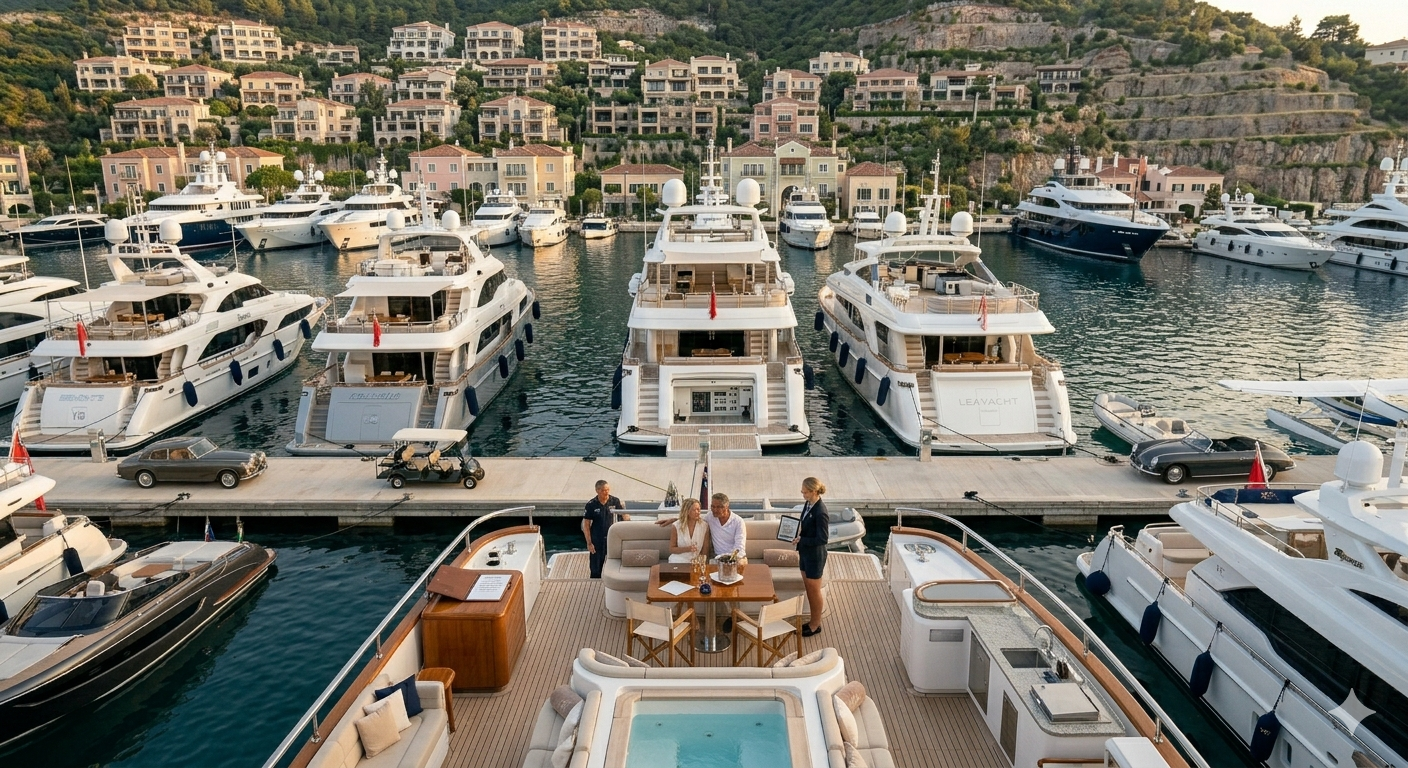
On a crisp morning in June 2026, Emilie Atwater strolled along the sun-dappled docks of Port Hercules in Monaco, admiring the sleek lines of the moored yachts. Unlike the sprawling superyachts that once dominated these waters, Emilie's attention was captured by the more modest yet sophisticated fleet of smaller yachts. This shift in maritime luxury — a reflection of broader trends — marks a significant transformation in the world of yacht ownership.
In recent years, the landscape of yacht ownership has evolved dramatically. Once the exclusive domain of the ultra-wealthy and older demographics, the market is experiencing a demographic shift as younger buyers, particularly those in their 40s and 50s, enter the fray. These new owners are redefining what it means to own a yacht, bringing fresh perspectives and innovative demands that are reshaping the industry.
The New Face of Yacht Owners
The profile of the typical yacht owner has shifted, influenced by a new generation that values personal experiences over sheer opulence. Traditionally, yacht ownership was seen as a status symbol, often a token of success and wealth. However, today's younger buyers approach ownership with a focus on practicality, sustainability, and versatility.
Data suggests that this demographic shift is largely driven by millennials and early Gen Xers who have reached a stage in life where luxury purchases are within reach. Unlike their predecessors, these individuals value the ability to explore remote and unique destinations, often opting for yachts that allow for self-operated adventures rather than requiring a full-time crew. The allure lies in the personal connection to the sea and the freedom of exploration.
Rise of Smaller and Mid-Sized Yachts
In line with the changing demographic, there is a growing popularity of smaller and mid-sized yachts, which offer a blend of affordability and adaptability. As Emilie observed during her walk in Port Hercules, many of these yachts are designed for operational ease, catering specifically to owner-operators who relish the hands-on approach.
Smaller yachts are not only more cost-effective, reducing the barriers to entry for new owners, but they also offer greater flexibility in terms of docking and navigating tighter waterways. This trend has been supported by the latest reports from the yacht charter market, which highlight an increase in demand for vessels under 24 meters — yachts that are perfect for intimate family getaways or exclusive gatherings without compromising on luxury or performance.
Sustainability at the Helm
The rise of environmentally conscious consumers has not bypassed the yachting industry. In response to growing environmental concerns, the market has seen a surge in yachts that incorporate sustainable technologies and eco-friendly designs. From hybrid propulsion systems that reduce emissions to the use of sustainable materials in construction, yacht manufacturers are increasingly prioritizing green innovations.
Emilie, who is part of a generation deeply aware of climate change, is particularly drawn to yachts that minimize environmental impact. This trend is not merely a nod to responsible consumerism; it reflects a broader societal shift towards sustainability that is likely to steer the future of yacht design and ownership.
Technology: The New Anchor
Technology continues to revolutionize modern yacht ownership. As Emilie steps aboard one of the latest models, she's greeted by a seamless integration of smart systems and connectivity. From advanced navigation tools to remote monitoring and control via smartphones, technology makes yacht management more accessible and efficient than ever before.
This technological evolution allows new owners to enjoy the benefits of yachting without the complexities that previously necessitated a large crew. Additionally, as digital natives, younger buyers are naturally inclined towards tech-driven solutions, finding comfort in the digital enhancements that modern yachts offer.
Predictions for the 2026 Yacht Market
Looking ahead, industry experts predict continued growth in the yacht market driven by these new ownership trends. As more younger buyers enter the market, there is an expectation of increased sales in the smaller yacht segment, coupled with a steady demand for sustainable and technologically advanced models.
In tandem, the ownership models themselves are evolving. Fractional ownership and yacht sharing platforms are gaining traction, offering a more flexible approach to luxury maritime experiences. These models cater to the desire for diverse travel experiences without the long-term commitment or financial burden traditionally associated with yacht ownership.
Frequently Asked Questions
What is driving the shift towards smaller yachts?
The shift is driven by a younger demographic seeking cost-effective, versatile yachts that offer both luxury and ease of operation for personal exploration.
How is sustainability influencing yacht design?
Sustainability is influencing yacht design through the adoption of hybrid propulsion systems, eco-friendly materials, and designs aimed at reducing environmental impact.
What role does technology play in yacht ownership today?
Technology enhances yacht ownership by providing smart systems for efficient navigation, connectivity, and remote management, making yachting more accessible.
Conclusion
As Emilie gazes out at the horizon from the deck of her newly acquired vessel, she embodies the spirit of a new generation of yacht owners who value adventure, sustainability, and technological innovation. The trends shaping the yacht industry in 2026 reflect broader societal changes, promising a future where luxury meets responsibility and exploration. As the waves lap against her yacht, Emilie knows she is part of a movement that is redefining what it means to own the seas.