The Impact of Artificial Intelligence on Yacht Design and Customization in 2026
The Impact of Artificial Intelligence on Yacht Design and Customization in 2026
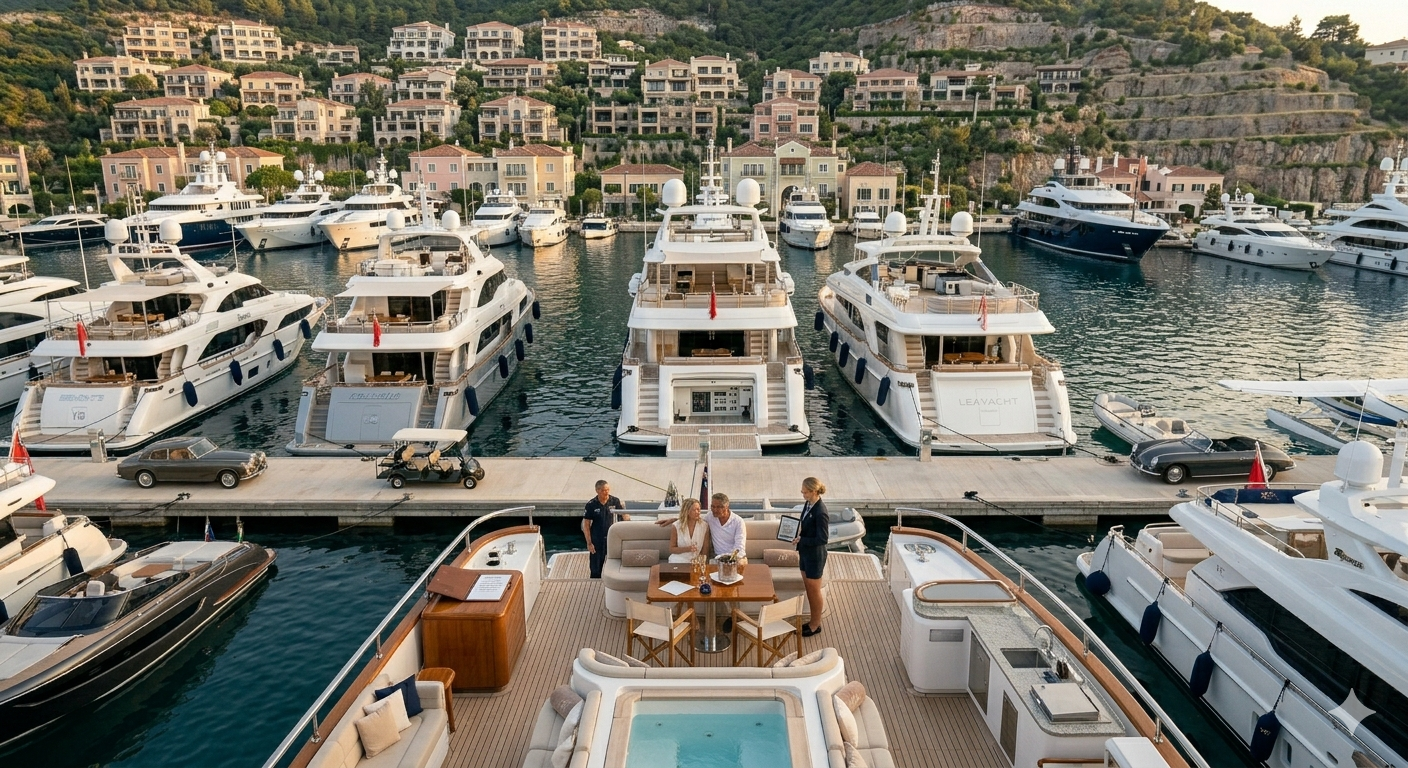
On a breezy afternoon in Monaco, yacht designer Sofia Alvarez found herself marveling at the sleek lines of a newly launched superyacht. It wasn't just any yacht—it was a testament to the marvels of modern technology, embedded with artificial intelligence features that had redefined its very creation. Sofia, who had spent over two decades in the industry, witnessed firsthand the profound transformation that AI had brought since its more experimental days. The year 2026 marked a turning point where artificial intelligence was no longer a futuristic concept but a pivotal force reshaping yacht design and customization.
Gone are the days when yacht design relied solely on the creative whims and manual labor of talented artisans. Today, designers like Sofia harness AI's power to push boundaries further than ever before. AI isn’t just a tool—it’s a collaborator, offering insights and capabilities that were previously unimaginable. This partnership between human creativity and machine learning is steering the yacht industry into uncharted waters, offering unprecedented levels of customization and efficiency.
AI Technologies Shaping Yacht Design
In the realm of yacht design, AI technologies have become indispensable allies. Machine learning algorithms analyze vast datasets, including oceanic conditions, materials science, and historical design preferences, to suggest innovative solutions. Generative design, one AI-driven approach, allows computers to explore a multitude of design permutations quickly, presenting designers with optimized configurations based on weight, balance, and aesthetics.
For instance, the Italian yacht builder Rossinavi recently utilized AI to create a bespoke yacht for a client who wanted a vessel capable of both Arctic exploration and Mediterranean leisure. The AI assessed environmental challenges and operational requirements, suggesting hybrid materials and dynamic hull designs that balanced strength with elegance. The result was not only visually striking but also operationally versatile—an outcome that would have been difficult to achieve with traditional methods alone.
Case Studies: Implementation in Practice
The transformative impact of AI is perhaps best illustrated through real-world applications. Take the case of Dutch yacht manufacturer Heesen Yachts, which has embraced AI to enhance its customization process. By analyzing customer data and preferences, the AI system guides designers in tailoring each yacht to meet individual desires while optimizing for performance and sustainability.
Another compelling example comes from the British company Sunseeker, which integrated AI to streamline their design and production pipeline. By implementing predictive algorithms, Sunseeker reduced the lead time from concept to launch by 30%. This efficiency not only reduced costs but also allowed for a higher level of personalization, ensuring each yacht stands as a unique reflection of its owner’s personality.
Benefits of AI in Enhancing Design Efficiency
The integration of AI into yacht design offers multiple benefits, particularly in enhancing efficiency and reducing costs. Automated processes eliminate repetitive tasks, allowing designers to focus on innovation and creativity. AI's predictive capabilities also minimize design flaws and ensure optimal resource allocation, driving down production expenses.
Moreover, AI facilitates eco-friendly practices by suggesting sustainable materials and design techniques that reduce environmental impact. This aspect is increasingly important as the industry responds to calls for greener practices. By embracing AI, yacht manufacturers can meet these demands without sacrificing luxury or performance.
Future Trends in AI-Driven Customization
Looking ahead, the future of AI in yacht design promises even more exciting developments. Experts anticipate advancements in AI that will enable real-time customization, where clients can visualize and modify their yacht design using immersive technologies like virtual reality. Imagine standing on a digital deck, altering features with a wave of your hand, and seeing those changes reflected instantly in your virtual surroundings.
Additionally, AI's role in predictive maintenance is expected to grow, offering yacht owners enhanced peace of mind through systems that anticipate and address maintenance needs before issues arise. This proactive approach not only extends the lifespan of yachts but also enhances safety and reliability on the open seas.
Challenges and Limitations
Despite its advantages, integrating AI into yacht manufacturing isn't without challenges. Data security and privacy concerns are paramount, as the personalization process requires access to sensitive client information. Furthermore, the industry must grapple with the potential loss of traditional craftsmanship, which has long been the hallmark of yacht building.
There's also a learning curve as designers and engineers acclimate to new tools and workflows. To fully realize AI's potential, continuous training and adaptation are essential, as is the willingness to innovate and accept change.
Frequently Asked Questions
How is AI used in yacht design?
AI is used to analyze data, suggest design optimizations, automate repetitive processes, and enhance customization based on client preferences.
What are the benefits of AI in yacht design?
AI increases efficiency, reduces costs, allows for greater customization, and supports sustainable practices by optimizing material usage and design.
Are there any risks associated with AI in yacht customization?
Yes, risks include data privacy concerns, the potential erosion of traditional craftsmanship, and the learning curve for industry professionals adapting to new technologies.
Conclusion
As we sail further into the future, the role of artificial intelligence in yacht design and customization continues to expand. What was once a pie-in-the-sky idea is now an integral part of the industry's fabric, driving innovation and setting new standards for luxury and performance. The convergence of AI and human ingenuity promises to not only enhance the yachting experience but also to redefine what is possible on the high seas. For yacht designers, owners, and enthusiasts, the future is a canvas, and AI is the brush that paints it with endless possibilities.