The Rise of Eco-Conscious Yachting: Trends and Innovations for 2026
The Rise of Eco-Conscious Yachting: Trends and Innovations for 2026
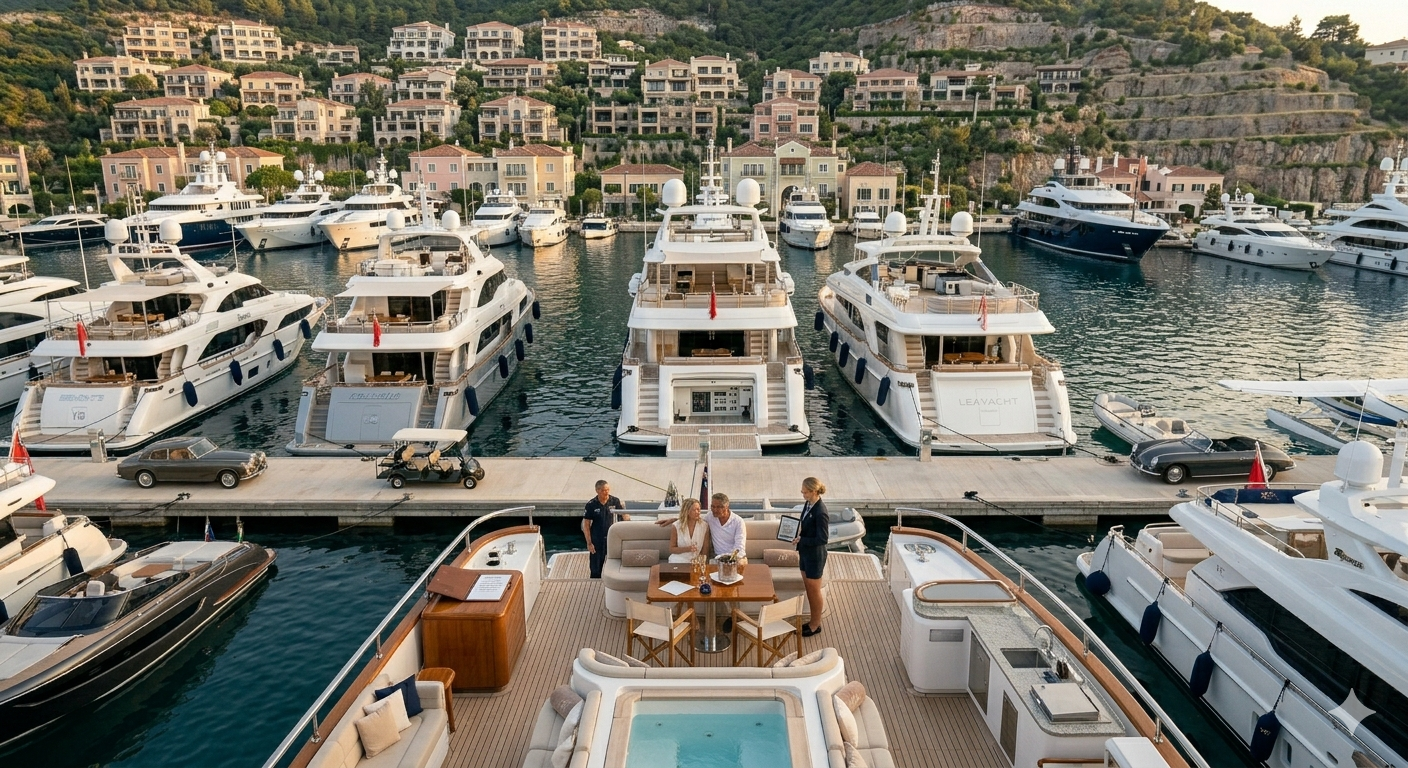
In the serene waters off the coast of Monaco, a sleek yacht glides effortlessly across the azure waves. From a distance, it appears like any other luxurious vessel dotting the Mediterranean. Yet, beneath its polished surface lies a revolution in yacht design—one that speaks to a global shift towards sustainability and eco-conscious living. This yacht, a marvel of modern engineering, runs on a hybrid propulsion system, drawing power from solar panels seamlessly integrated into its deck. In this moment, it represents not only the future of yachting but also the burgeoning demand for eco-friendly practices in an industry often associated with opulence and excess.
The world of yachting has always been synonymous with luxury and freedom, yet as we sail further into 2026, a new wave of change is sweeping through the industry: the rise of eco-conscious yachting. Increasingly, yacht owners, charter companies, and maritime enthusiasts are recognizing the imperative to preserve the very environments they enjoy. This shift is not just a fleeting trend but a deep-seated transformation driven by innovations in yacht design, evolving consumer preferences, and a collective drive to protect our oceans.
The Demand for Eco-Friendly Yachts
The demand for eco-friendly yachts has surged dramatically over the past few years. In 2026, the market is witnessing an unprecedented interest in vessels that boast reduced environmental impacts. This is not only a response to individual consumer preferences but part of a broader societal shift towards sustainability. According to recent market reports, more than 60% of new yacht builds now incorporate some type of eco-forward technology, whether in propulsion systems, hull design, or onboard facilities.
Owners are increasingly prioritizing sustainability not just as a moral choice but as a practical one. The rising cost of fuel and stricter environmental regulations are compelling yacht builders and owners alike to consider greener alternatives. The United Nations' ongoing advocacy for the reduction of maritime emissions has further propelled this eco-conscious momentum. As such, yachts are no longer just vessels of leisure but ambassadors of responsible luxury.
Innovations Leading the Charge
At the forefront of this eco-revolution are cutting-edge innovations in yacht design. Hybrid propulsion systems, which combine traditional diesel engines with electric motors, are becoming increasingly prevalent. These systems not only enhance fuel efficiency but also allow yachts to travel silently, minimizing noise pollution and disturbance to marine life.
Moreover, the use of energy-efficient materials in yacht construction is setting new standards. Advanced composites and recycled materials are being used without compromising on strength or aesthetic appeal. Solar panels, integrated into sleek modern designs, provide a renewable energy source, powering everything from navigation systems to the galley.
A notable example is the recent launch of the "EcoVision" series by a pioneering yacht manufacturer. These yachts feature a closed-loop water system that recycles onboard waste and purifies water, reducing the need for external resources. Such innovations not only appeal to the eco-conscious but also represent a significant leap forward in sustainable maritime engineering.
Impact on the Yacht Charter Market
This pivot towards sustainability is reflected in the yacht charter market as well, where consumer preferences are reshaping offerings. Charter companies are increasingly marketing their green credentials, understanding that today’s clientele is more discerning and environmentally aware than ever before.
Luxury charter companies are now including eco-friendly options as part of their standard fleet. These charters often emphasize low-impact cruising, involving itineraries that respect marine protected areas and promote local biodiversity. The shift is palpable: clients are not just looking for picturesque views but want assurance that their maritime adventures also contribute to the preservation of these natural wonders.
Case Studies of Leading Manufacturers
Leading yacht manufacturers are at the vanguard of this eco-conscious transformation. For example, the esteemed shipbuilder "Blue Horizons" has committed to producing only eco-friendly yachts by 2030. Their recent launch of the "SolarWave," equipped with advanced photovoltaic technology, has set a new benchmark in the industry.
Another notable player, "OceanCraft," has adopted bold initiatives to ensure their vessels are among the greenest on the market. Their commitment to using only sustainably sourced timber for interiors and developing engines that run on biofuels is a testament to the industry’s capacity for innovation.
Future Predictions for Sustainable Yachting
Looking ahead, the trajectory of sustainable yachting seems unstoppable. As global awareness of environmental issues grows, so too will the pressure on the maritime industry to adapt. Experts predict that by 2030, the majority of new yachts will be built with sustainability as a primary consideration, marking a significant departure from traditional practices.
Moreover, as technology advances, we can anticipate even more sophisticated solutions. The integration of artificial intelligence to optimize fuel consumption and route efficiency, and the development of fully autonomous, zero-emission vessels, are no longer just dreams but plausible realities in the near future.
Frequently Asked Questions
What is the primary driver for eco-conscious yachting?
The main driver is the increasing global emphasis on sustainability and the need to reduce environmental impacts, combined with evolving consumer preferences.
How are yacht manufacturers adapting to these changes?
Manufacturers are innovating with hybrid propulsion systems, sustainable materials, and energy-efficient designs to meet the growing demand for eco-friendly yachts.
What are the benefits of eco-friendly yacht charters?
Eco-friendly charters offer low-impact cruising experiences that respect marine environments and appeal to environmentally aware consumers.
Conclusion
The rise of eco-conscious yachting is a reflection of a larger societal shift towards valuing sustainability over extravagance. As we navigate the waters of 2026 and beyond, the industry stands at a critical juncture where luxurious living and environmental stewardship must sail in harmony. For owners, charter companies, and enthusiasts alike, embracing this green wave is not just an opportunity but a responsibility to ensure that the oceans we love continue to thrive.