The Evolution of Yacht Design in 2026: Trends and Innovations
The Evolution of Yacht Design in 2026: Trends and Innovations
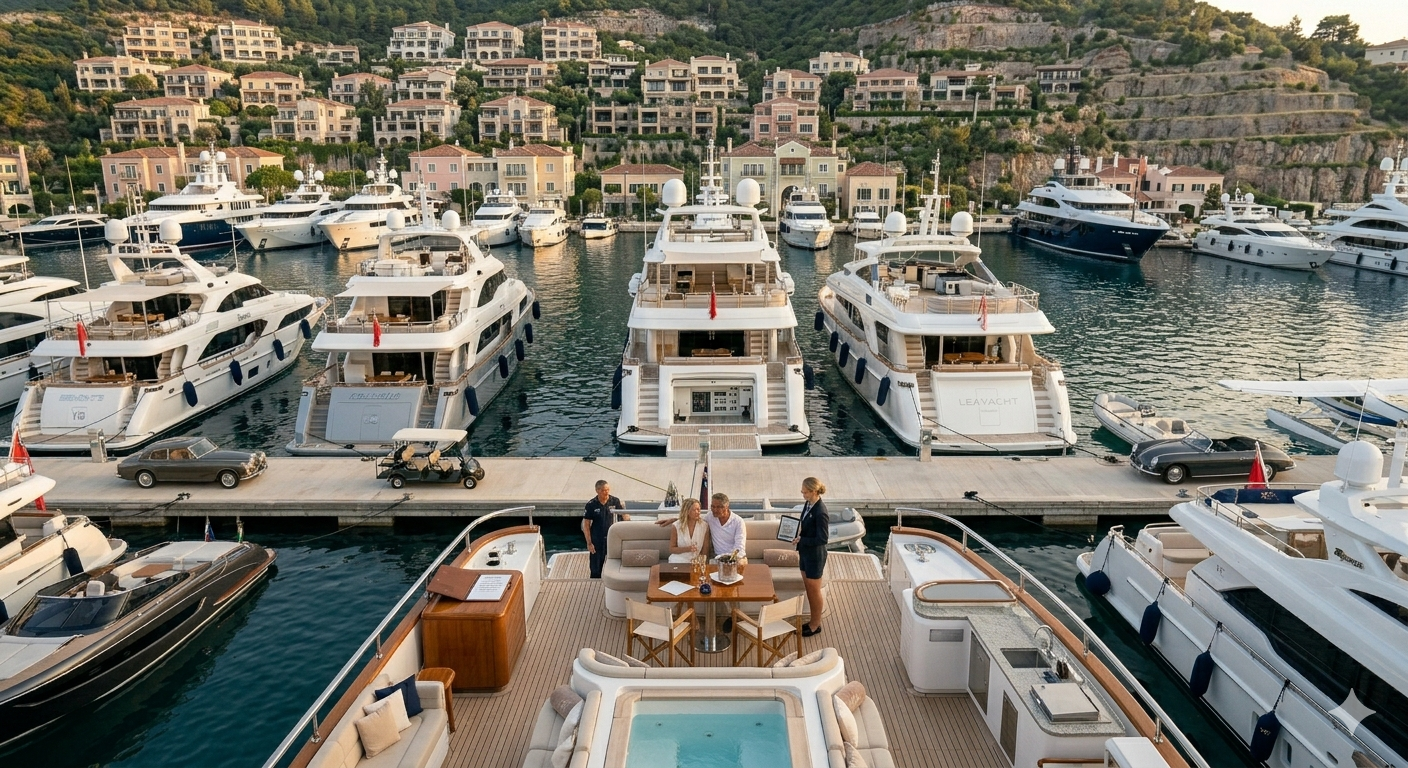
In the crystalline waters off the coast of Monaco, a fleet of newly designed yachts glistens under the Mediterranean sun. It's the spring of 2026, and what lies moored along the docks isn't just a collection of luxury vessels, but a testament to how far yacht design has evolved in recent years. Each yacht is a floating symbol of the latest trends shaping the industry — trends that are redefining what it means to sail in style and sustainability.
Three years ago, the yacht industry was at a crossroads, facing increasing demands for eco-friendly practices and technological advancements. Fast forward to today, and the landscape has shifted dramatically. The focus now is on integrating sustainable materials, incorporating intelligent systems, and catering to a clientele whose tastes have matured towards the minimalist and the elegant. As we explore these innovations, we gain insight into not only the future of yacht design but also the future of luxury and recreation on the open sea.
Green Horizons: Sustainability in Yacht Design
Sustainability is no longer an optional extra in yacht design but a fundamental necessity. With climate change pressing on the conscience of consumers and regulators alike, the call for greener yachts has grown louder. Yacht builders have responded by pioneering the use of eco-friendly materials and energy-efficient technologies.
Gone are the days when traditional hardwoods were the primary choice for yacht interiors. In 2026, materials like bamboo, recycled composites, and even hemp are being used to construct interiors that are as sustainable as they are luxurious. Such choices reduce the environmental footprint while maintaining the elegance expected in high-end maritime design. Moreover, many yachts are now equipped with hybrid propulsion systems that significantly cut down on fuel consumption. Solar panels and wind turbines have found their place on decks, harnessing nature's energy to power voyages with minimal ecological impact.
Smart Seas: The Integration of Technology
As with many industries, technology has become a cornerstone of innovation in yacht design. The yachts of 2026 are smart, interconnected, and highly responsive. Imagine a vessel where you can control lighting, climate, and entertainment systems with a simple voice command or a swipe on your smartwatch. This isn't the future — it's the now.
Yacht designers have embraced the Internet of Things (IoT) to create a seamless onboard experience. Smart technology integration allows for greater control over the yacht's systems, enhancing both security and comfort. Advanced navigation systems, automated maintenance alerts, and even AI-driven culinary experiences are becoming standard features. These technologies not only improve functionality but also elevate the luxury experience, offering a level of personalization and ease that was previously unattainable.
The Elegance of Simplicity: Changing Consumer Preferences
Today's yacht buyers are not just purchasing a vessel; they're buying into a lifestyle, and their tastes have shifted towards simplicity and sophistication. The opulence of yesteryears is being replaced with a preference for clean lines, natural tones, and open spaces that invite the serenity of the sea into the heart of the vessel.
This minimalist trend is reflected in the design choices that prioritize open layouts and multifunctional spaces, making yachts appear more spacious and welcoming. Designers are focusing on creating environments that blend indoor and outdoor living, with retractable roofs and large windows that blur the boundaries between the yacht's interior and the vast ocean.
The Digital Canvas: Customization and Innovation
Digital transformation has revolutionized the way yachts are customized. Buyers today expect to play a role in designing their vessels, tailoring every detail to reflect their personal style and needs. Thanks to virtual reality and advanced design software, clients can walk through their yacht in the digital realm before a single piece is constructed.
This shift allows for unprecedented levels of customization, ensuring that each yacht is not only a reflection of its owner’s taste but also a unique work of art. This level of personalization extends to onboard amenities as well, from bespoke entertainment systems to custom-built tenders, making each journey a tailored experience.
Navigating the New Waters of Yacht Design
For industry veterans and newcomers alike, the evolving trends in yacht design present both challenges and exciting opportunities. Experienced designers know that embracing innovation is crucial, but they also understand the importance of maintaining a balance between new technologies and timeless elegance. Beginners, on the other hand, often overlook the importance of sustainable practices and the integration of smart systems in their eagerness to create something striking.
The key to success in this new era of yachting lies in listening to the market while staying true to the core values of quality and craftsmanship. It's about weaving together the threads of sustainability, technology, and design into a cohesive whole that resonates with a modern audience.
Frequently Asked Questions
What are the most popular materials in sustainable yacht design?
Bamboo, recycled composites, and hemp are among the most popular materials currently used for sustainable yacht interiors, offering both eco-friendliness and luxury.
How is technology impacting yacht design today?
Technology, like IoT and AI, is making yachts smarter by enabling advanced navigation, automated systems, and personalized onboard experiences, enhancing security and comfort.
What trends are influencing yacht aesthetics in 2026?
There is a significant shift towards minimalist and elegant designs with open layouts, natural tones, and features that blend indoor and outdoor spaces seamlessly.
Conclusion
As we sail further into 2026, the evolution of yacht design continues to chart a course towards innovation and sustainability. This new wave in the maritime industry promises to deliver not only aesthetic beauty but also environmental mindfulness and technological sophistication. For those ready to embrace these changes, the future promises an exciting journey across open waters, guided by the winds of change and the spirit of innovation.