The Evolution of Yacht Sustainability: Trends and Innovations for 2026
The Evolution of Yacht Sustainability: Trends and Innovations for 2026
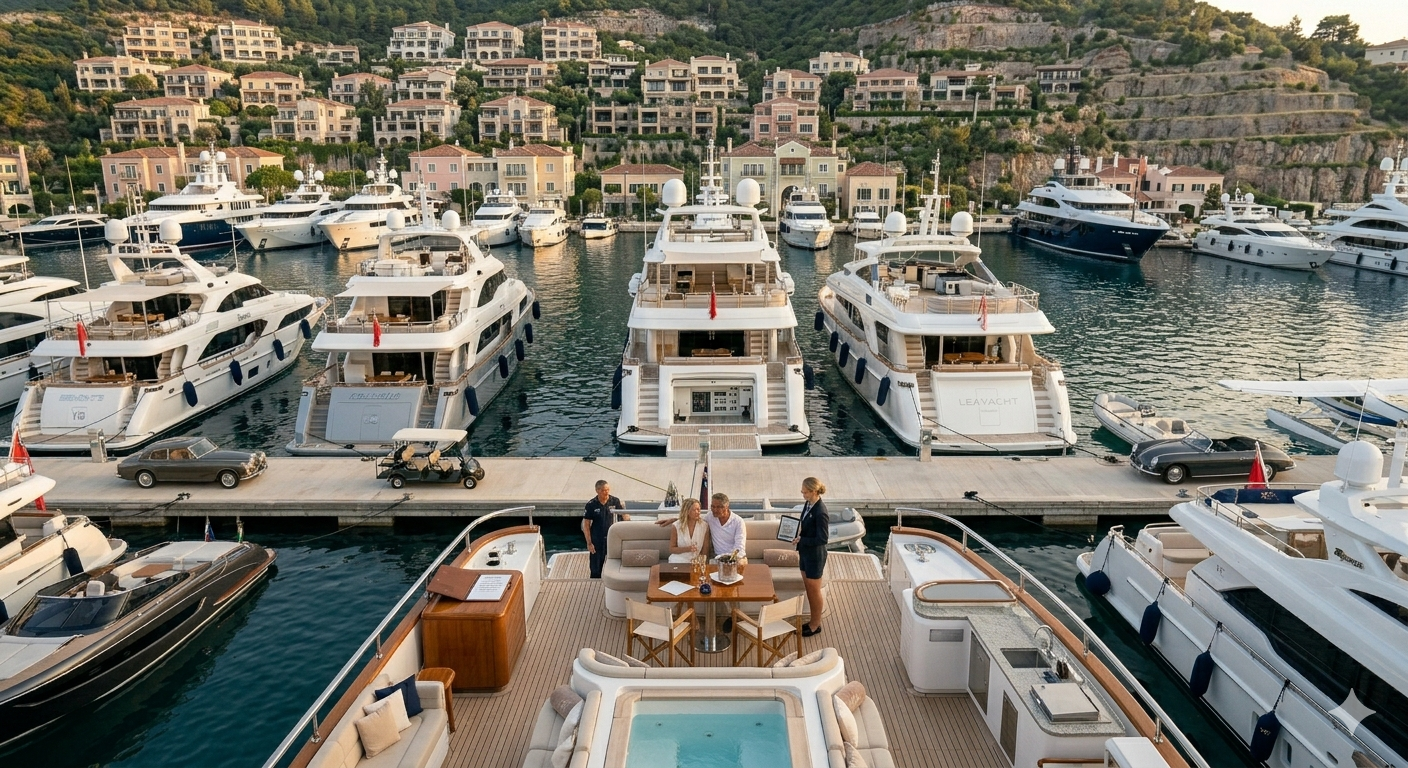
A fine mist clung to the azure waters of Monaco's harbor, where an elegant parade of superyachts stood anchored, their sleek hulls shimmering under the morning sun. Among these nautical marvels, a particular vessel drew curious gazes not just for its grandeur, but for the quiet hum of its operation—a sound that spoke of innovation and a nod to sustainability. This is the new face of yachting in 2026, where luxury meets responsibility, and the call for eco-friendly practices is reshaping the industry.
Charting New Waters in Yacht Sustainability
For decades, the yachting industry has been synonymous with leisure, luxury, and—undoubtedly—opulence. Yet, as climate concerns intensify globally, this sector is undergoing a transformation, aiming to align extravagance with environmental mindfulness. Today, yacht builders and owners are not just seeking pleasure on the seas, but are also driven by the quest to reduce their ecological footprint. The 2026 yachting industry statistics underscore a significant shift, with over 70% of new build requests including some form of sustainability feature—a figure that reflects both market demand and technological progression.
Hybrid Propulsion: A Game Changer
Hybrid propulsion is a term that has leapt from the pages of automotive engineering into the design blueprints of yacht builders. In the context of yachting, hybrid systems combine traditional diesel engines with electric motors, significantly reducing fuel consumption and emissions. Take, for instance, the newly launched "Elysian Voyager," a 70-meter masterpiece boasting a cutting-edge hybrid propulsion system. This yacht can cruise silently through protected marine environments, minimizing disruption to marine life while maintaining its luxurious aura. The blend of power sources not only offers environmental benefits but also enhances versatility and range—attributes that are becoming increasingly important to charter clients looking to explore remote and pristine destinations without compromising on sustainability.
Harnessing the Power of the Sun and Wind
Beyond hybrid engines, renewable energy has become a cornerstone of sustainable yacht design. Solar panels integrated into the superstructure provide auxiliary power, enabling yachts to operate essential systems with clean energy. Meanwhile, innovative kite sails are being tested, using wind to assist in propulsion, reducing reliance on fossil fuels. These technologies don't just appeal to the eco-conscious; they also offer practical benefits such as reduced operational costs and increased autonomy at sea.
A prime example comes from the recent success story of "Ocean Guardian," a 50-meter yacht harnessing both solar and wind power. The yacht's owners report not only a reduction in fuel expenses but also an enhanced sense of freedom and flexibility, able to chart longer journeys with less frequent stops for refueling.
Greener Materials for a Blue Horizon
The push for sustainability finds expression in the very materials used to build and outfit luxury yachts. Recent innovations have led to the development of bio-based resins, recycled aluminum, and sustainably sourced teak, which are now being adopted by forward-thinking builders. These materials not only lower the environmental impact during construction but also offer surprising benefits in terms of strength and durability.
A partnership between a leading yacht manufacturer and an eco-material innovator has resulted in a stunning new line of yachts that boast interiors fashioned from recycled ocean plastics and sustainably harvested woods. This collaboration not only highlights a commitment to sustainability but also showcases how luxury need not be sacrificed for environmental responsibility.
Market Trends Shifting Towards Green Yachts
Consumer preferences are increasingly leaning towards eco-friendly options—a trend that extends to the realm of luxury yachting. The latest market reports indicate a surge in demand for yachts that offer sustainable features, with a particular interest in vessels that can operate with a reduced carbon footprint. Potential buyers, particularly younger generations, are prioritizing sustainability alongside traditional markers of luxury and performance.
This trend is further fueled by a growing number of charter clients requesting environmentally friendly yachts, pushing the industry to innovate and adapt. Charter companies are responding by expanding their fleets with more hybrid and electric models, aligning with consumer expectations and environmental goals.
Frequently Asked Questions
How do hybrid propulsion systems benefit yachts?
Hybrid systems reduce fuel consumption and emissions while offering quieter operation, making them ideal for environmentally sensitive areas.
What role do renewable energy sources play in yachting?
Renewable sources like solar and wind provide clean energy, reducing reliance on fossil fuels, lowering operational costs, and enhancing cruising autonomy.
Are sustainable materials as durable as traditional ones?
Yes, many eco-friendly materials offer comparable strength and durability, with additional benefits such as reduced environmental impact.
Setting Sail Toward a Sustainable Future
As the yachting industry sails into the future, the evolution of sustainability is not merely a trend but a necessity. The innovations we see today—from hybrid propulsion to biodegradable materials—are setting a new course for luxury maritime travel. For yacht owners and enthusiasts, the voyage toward eco-consciousness is no longer a distant horizon but an immediate opportunity. Embracing these changes not only ensures the longevity of the industry but also aligns with the broader commitment to preserving our planet's fragile beauty. As technology continues to advance, the promise of sustainable yachting becomes an exciting reality, inviting us all to cast off with a lighter footprint.