The Future of Yacht Design: Innovations and Trends for 2026
The Future of Yacht Design: Innovations and Trends for 2026
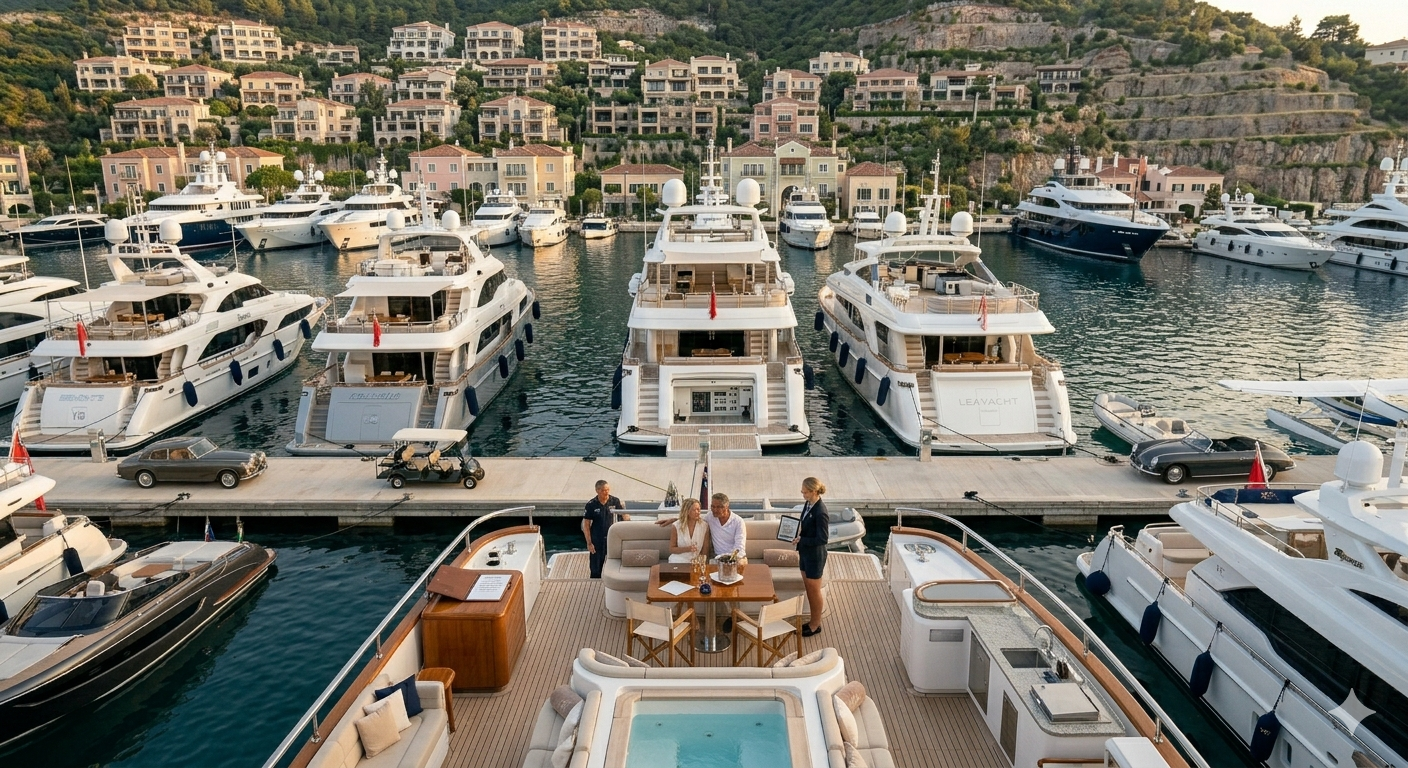
Under a sky brushed with the first light of dawn, the newest marvels of the yachting world gathered at the 2026 Monaco Yacht Show. As I stood on the dock, surrounded by the sleek lines and futuristic silhouettes that define today's cutting-edge vessels, I couldn't help but marvel at how far yacht design has come in just a few short years. Each yacht seemed to whisper secrets of innovation, sustainability, and a nod to the ever-evolving tastes of luxury connoisseurs. This year, more than ever, the yachting industry was not just keeping pace with the times but setting the bar for luxury and technological advancement.
Since the early days of wooden hulls and canvas sails, yacht design has been a dance between form and function. In 2026, this dance has become a symphony orchestrated by technological advances and a heightened awareness of our environmental footprint. As yacht designers strive to blend luxury with responsibility, they are pioneering trends that are as aesthetically pleasing as they are earth-friendly.
A Canvas of Innovation: Current Design Trends
As you stroll the decks of the latest yachts, you'll notice that innovation is not just a buzzword—it's the foundation of modern yacht design. Today's yachts sport bold new designs that reflect a shift towards both minimalism and a celebration of nature. Designers are increasingly drawing inspiration from organic shapes and biomimicry, creating vessels that seem to belong as much to the sea as they do above it.
These designs are more than just visually striking; they're functional masterpieces. Consider the integration of multi-level atriums and floor-to-ceiling windows that invite the outside in, blurring the lines between sea and scenery. Open-plan layouts dominate, allowing for unobstructed views and a seamless flow of indoor to outdoor living spaces.
Sailing Toward Sustainability
Perhaps the most significant trend in 2026 is the industry's commitment to sustainability. The yachts of today are increasingly being built with eco-friendly materials such as recycled aluminum and sustainable timber. Designers are opting for paints and finishes that are non-toxic and environmentally benign, showcasing a commitment to preserving the very oceans that sustain this industry.
Advanced propulsion systems, including hybrid engines and solar panels, are no longer the exception but the norm. These technologies significantly reduce emissions and fuel consumption, allowing yachts to quietly glide through waters, leaving minimal footprint. Moreover, water and energy conservation systems onboard are designed to ensure that luxury does not come at the expense of nature.
Consumer Preferences: A New Wave of Aesthetics and Functionality
Today's yacht buyers are a discerning lot, with tastes that reflect a blend of tradition and modernity. They desire bespoke yachts that tell a story, with personalization taking center stage. From color palettes to custom furniture, every detail is meticulously crafted to meet the owner's vision.
Functionally, there has been a noticeable shift toward user-friendly designs. Clients are seeking yachts that offer intuitive automation systems, where lighting, climate, and entertainment can be controlled with a simple touchscreen or even a voice command. This push for smart technology is transforming the onboard experience, making it as seamless as it is luxurious.
The Impact of Technology: Smart Yachts and Automation
As technology continues to evolve, so too does its role in yacht design. In 2026, the integration of smart features and automation is at the forefront. Imagine a yacht that anticipates your needs, adjusting its environment to your preferences as you move from deck to cabin. Artificial intelligence is being utilized in navigation systems, optimizing routes for efficiency and safety.
One remarkable example is a yacht that debuted this year, featuring a fully autonomous mode—capable of navigating and docking without human intervention. Such advancements not only enhance the safety and ease of yacht operation but also free owners to focus on the enjoyment of their journey.
Case Studies: Exemplars of Innovation
Consider the latest release from a renowned Italian shipyard—a yacht that embodies the spirit of 2026 with its cutting-edge design and sustainable ethos. Constructed with a hybrid propulsion system, this vessel boasts an energy recovery system that captures and stores excess energy, further minimizing its environmental impact.
Then there is the innovative "floating villa" concept unveiled this year, combining luxury with the latest in sustainable technology. With its retractable roof and walls, it offers a 360-degree view of the ocean, redefining what it means to live at sea.
Frequently Asked Questions
What are the latest trends in yacht design for 2026?
The latest trends include a focus on sustainability, with eco-friendly materials and hybrid engines, as well as designs inspired by biomimicry and nature.
How is technology influencing modern yacht design?
Technology is introducing smart features and automation, including AI-driven navigation and fully autonomous modes, enhancing safety and convenience.
What role does sustainability play in yacht design?
Sustainability is a key focus, with an emphasis on environmentally friendly materials and energy-efficient systems that reduce emissions and conserve resources.
Conclusion
As the sun set over the marina, casting a golden glow on the yachts lined like jewels along the pier, it was clear that the future of yacht design is bright, innovative, and profoundly responsible. Yacht designers and builders are proving that luxury and sustainability can coexist beautifully. As technology and consumer demands continue to evolve, one can only imagine the innovative strides that will define the next era of yachting. Set sail toward the horizon, where the possibilities are as boundless as the sea itself.