The Future of Yacht Design: Innovations Shaping the 2026 Market
The Future of Yacht Design: Innovations Shaping the 2026 Market
As dawn broke over the Mediterranean, the sleek silhouette of a superyacht glided silently across the azure waters, leaving barely a ripple in its wake. This yacht, a marvel of 2026 design, embodied the future of luxury maritime travel: whisper-quiet hybrid engines, smart systems running the gamut from navigation to personalized interior climates, and a layout that seemed to blend seamlessly with the sea. It's a bold new world, one in which technology, sustainability, and consumer preferences are crafting yachts that are as innovative as they are opulent.
In the past few years, a significant shift in the world of yacht design has been taking place, driven by a burgeoning demand for sustainability and cutting-edge technology. As the industry sails into the future, designers and builders are responding with innovations that not only meet the opulent desires of the elite but also address the pressing environmental concerns of our time. Today, yachts are not just symbols of wealth, but also of responsibility and forward-thinking.
A New Wave of Sustainability
Imagine a superyacht cruising the Caribbean, its hybrid engine blending seamlessly between solar power and biofuel. This is not a distant fantasy, but the reality of many of today's newest vessels. In 2026, the push towards sustainability has reached a fever pitch in the yacht industry. Designers are increasingly opting for materials and technologies that minimize environmental impact. Hybrid engines, which use a combination of electrical power and traditional fuels, are becoming the norm rather than the exception.
Reducing a yacht’s carbon footprint goes beyond engines. Innovative hull designs that enhance hydrodynamic efficiency, coupled with the use of sustainable materials like recycled composites, are redefining what it means to be a responsible luxury yacht owner. Many yachts now feature onboard systems to purify water and manage waste, underscoring an industry-wide commitment to eco-conscious design.
Smart Yachts for the Tech-Savvy Owner
As you step onto the deck of a modern yacht, you might be greeted not by a human crew member, but an AI-powered assistant ready to cater to your every whim. Advanced artificial intelligence systems are revolutionizing the yachting experience. From managing energy consumption to optimizing travel routes based on real-time weather patterns, AI seamlessly integrates into yacht operations, enhancing both convenience and safety.
These smart systems extend into the comfort of onboard living. Imagine an AI adjusting the temperature and lighting to match your mood as you lounge on the deck. Such technologies are no longer futuristic fantasies; they are the present reality of yacht design, making these vessels as intelligent as they are luxurious.
The Allure of Expansive Outdoor Spaces
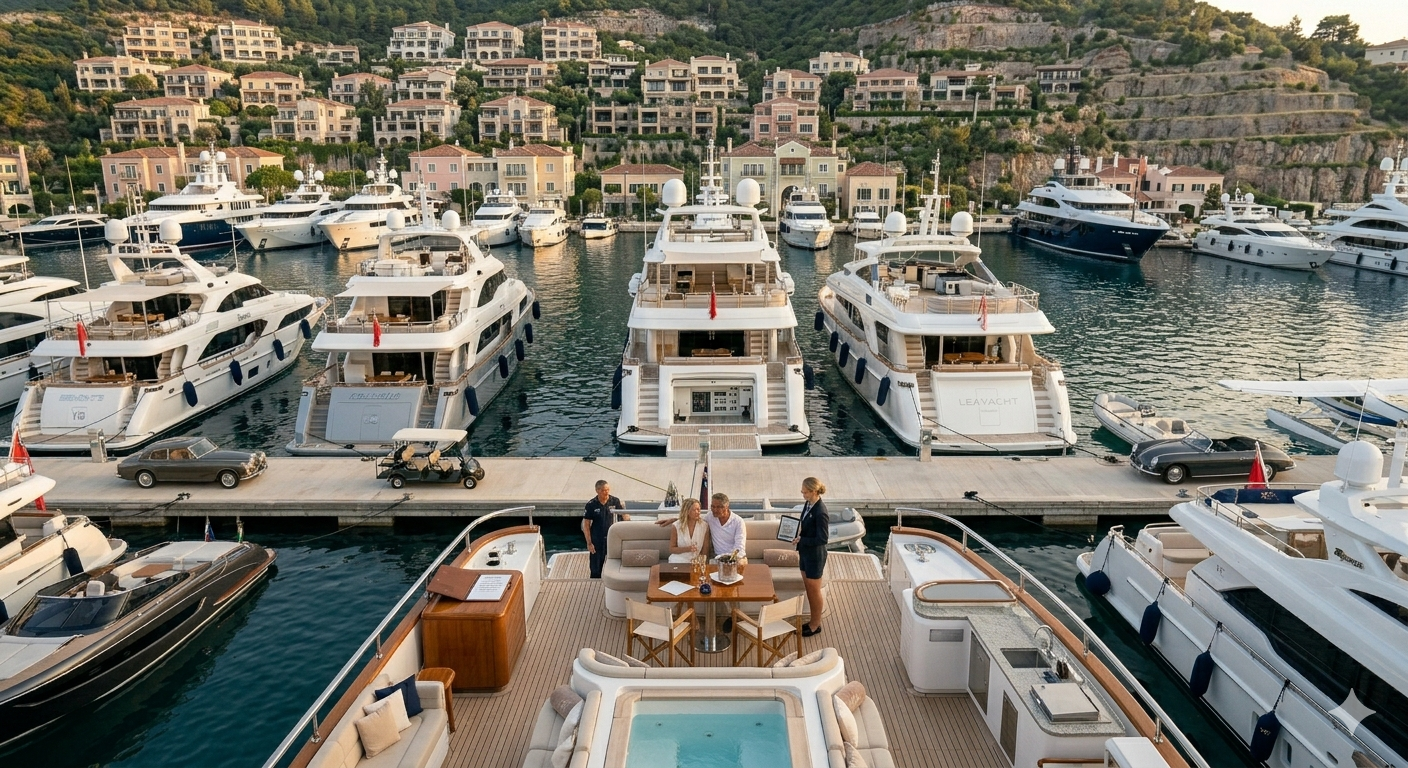
Echoing a broader cultural shift towards outdoor living, yacht owners in 2026 are increasingly prioritizing expansive, multifunctional outdoor spaces. Decks are being designed as versatile areas that can transition from sunbathing spots to al fresco dining venues. These spaces are no longer just add-ons; they are integral to the yacht’s layout, offering breathtaking views and closer connections to the ocean.
Flexible layouts that allow for customization are also growing in popularity, reflecting a desire for personal space that accommodates relaxation and socialization. The adaptability of these spaces ensures that they meet the diverse needs of guests, whether they’re seeking solitude or hosting a vibrant gathering.
Cutting-Edge Performance Technologies
Performance remains a cornerstone of yacht design, with advanced stabilization and handling technologies leading the way. The addition of gyro stabilizers, which reduce roll motion and improve comfort even in rough seas, is becoming standard. These technologies ensure smoother rides, making long voyages more enjoyable for everyone aboard.
Moreover, precision handling systems enhance the ability to navigate challenging waters, allowing captains to explore destinations previously deemed too risky. The utilization of such technologies is not just about comfort, but also about expanding the horizons of what yachting can achieve.
Wellness and the Eco-Conscious Yacht Experience
In a world where wellness and well-being are paramount, yacht designs are reflecting these values by incorporating spaces dedicated to rejuvenation and relaxation. Spas, fitness centers, and even meditation rooms are becoming common features, providing sanctuaries for guests to unwind.
Moreover, an increasing number of yachts are equipped with eco-friendly features that promote a sustainable and health-conscious lifestyle. From the integration of organic materials in the decor to the provision of farm-to-table dining experiences, these yachts offer an environment that nourishes both the body and the spirit.
Frequently Asked Questions
How are yachts becoming more sustainable?
Yachts are evolving with hybrid engines, sustainable materials, efficient hull designs, and onboard waste management systems to reduce environmental impact.
What role does AI play in modern yachts?
AI systems manage energy use, optimize travel routes, and enhance comfort by personalizing onboard environments, contributing to a seamless yachting experience.
Why are expansive outdoor spaces important in yacht design?
Expansive outdoor spaces allow for multifunctional use, enhancing the onboard experience by providing areas for relaxation, dining, and social gatherings.
Conclusion
In 2026, yacht design is not merely about luxury; it's about pioneering an era where technology, sustainability, and comfort converge. As we sail further into the future, these innovations not only redefine what it means to own a yacht but also set a course for a more responsible and thrilling maritime experience. Whether you're a seasoned yacht aficionado or a newcomer to the world of luxury yachting, the trends shaping this vibrant industry promise a journey as exciting as the destinations themselves.