The Future of Yacht Design: Key Trends to Watch in 2026
The Future of Yacht Design: Key Trends to Watch in 2026
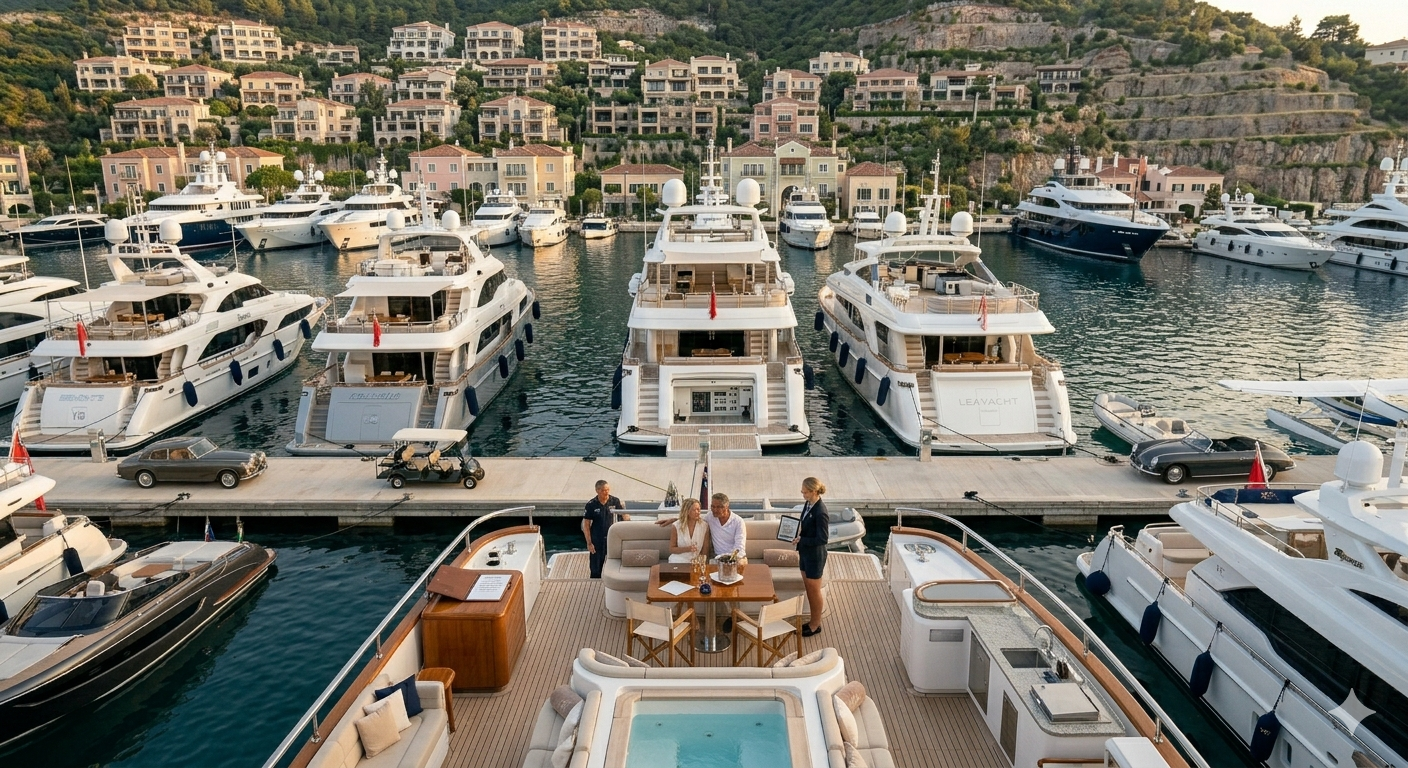
It was a crisp September morning at the Monaco Yacht Show, the sun glinting off the polished hulls that lined the harbor. This annual event, a fixture for the crème de la crème of the yachting world, offered a glimpse into the future of luxury maritime travel. Amidst the chatter of industry insiders and the soft clinking of champagne glasses, a clear theme emerged: yachts are evolving, and fast. Sustainability, technology, and aesthetics are not just trends; they are the cornerstones of this new era.
Navigating the Green Wave: Sustainability in Design
As I wandered through the show, it was impossible to ignore the shift towards sustainability. This wasn't just lip service. Many exhibitors showcased yachts crafted from eco-friendly materials like recycled aluminum and sustainably sourced teak. Designers are increasingly turning to hybrid propulsion systems, which blend diesel engines with electric motors to reduce carbon footprints. It's a movement driven by both ecological responsibility and owner demand, as buyers become more conscious of their environmental impact.
Take the example of the "EcoVoyager," a concept yacht that caught my eye. Designed with solar panels integrated seamlessly into its superstructure, it promises emission-free cruising. This yacht exemplifies the industry's commitment to green innovation, a trend that looks set to dominate the coming years as regulations tighten and consumers seek more sustainable luxury.
The Digital Seas: Smart Technology Integration
Beyond sustainability, the integration of smart technology is transforming how owners and guests experience life aboard. Yachts today are becoming floating smart homes, equipped with systems that can be controlled via smartphone or tablet. Imagine adjusting the ambient lighting to match your mood, or setting the temperature of a spa pool from the comfort of your sun lounger.
One notable advancement is the use of augmented reality (AR) in navigation systems. This technology overlays navigational data directly onto the captain's view, enhancing safety and operational efficiency. Similarly, smart glass technology allows for adjustable transparency, providing privacy on demand without sacrificing expansive ocean views.
Less Is More: Minimalism and Natural Aesthetics
In a world that often celebrates excess, the yachting industry is witnessing a refreshing shift towards minimalism. The interiors of yachts are shedding their opulent, overly decorated past for clean lines and natural materials. Bamboo, reclaimed wood, and stone are increasingly favored for their aesthetic appeal and environmental credentials.
This minimalist approach extends beyond materials. The design ethos is about creating seamless, unobtrusive spaces that allow the natural beauty of the surrounding seas to shine. It's an appealing prospect for yacht owners seeking tranquility and a deeper connection with the ocean.
Form Meets Function: Innovative Design Concepts
Functionality has always been a pillar of yacht design, but today it is being reimagined with luxury in mind. One of the most talked-about innovations at the Monaco show was the "Infinity Deck," a retractable deck that expands the usable outdoor space, offering a true open-air experience without compromising the yacht's sleek profile.
These innovations are not just about aesthetics or clever engineering; they enhance the on-board experience, allowing for greater flexibility in how space is used. Whether it's an alfresco dining area that transforms into a nightclub or a cinema room with retractable screens, functionality is being redefined through refined design.
A Personal Touch: The New Importance of Customization
In this evolving landscape, personalization remains paramount. Yacht owners are increasingly treating their vessels as extensions of their identity, tailoring every aspect from interior decor to the onboard experience. This year, many yacht builders highlighted bespoke options, allowing owners to infuse their personalities into every corner.
Consider the story of an owner who commissioned a yacht with a dedicated art gallery on board to showcase their private collection. This bespoke touch not only personalizes the yacht but also turns it into a unique cultural experience, blending high art with high seas.
Frequently Asked Questions
How are sustainable materials impacting yacht design?
Sustainable materials like recycled aluminum and natural woods are reducing environmental impact while maintaining luxury. They are becoming increasingly popular in new yacht designs.
What is the role of technology in modern yachts?
Smart technology enhances comfort and safety. Yachts now feature systems that integrate with personal devices, offering convenience and personalization.
Why is minimalism becoming popular in yacht interiors?
Minimalism offers a clean aesthetic that emphasizes natural beauty and tranquility, creating a more serene and spacious onboard environment.
Conclusion
As I left the Monaco Yacht Show, the future of yacht design seemed both thrilling and reassuring. The industry's commitment to sustainability, technology, and personalization not only echoes broader societal trends but also promises a more luxurious and responsible seafaring experience. For those poised to navigate these waters, the future is an open sea of innovation waiting to be explored. In the years to come, the yacht you step aboard may not just be a vessel but a testament to the forward-thinking vision of its time.