The Future of Yacht Ownership: Trends and Innovations in 2026
The Future of Yacht Ownership: Trends and Innovations in 2026
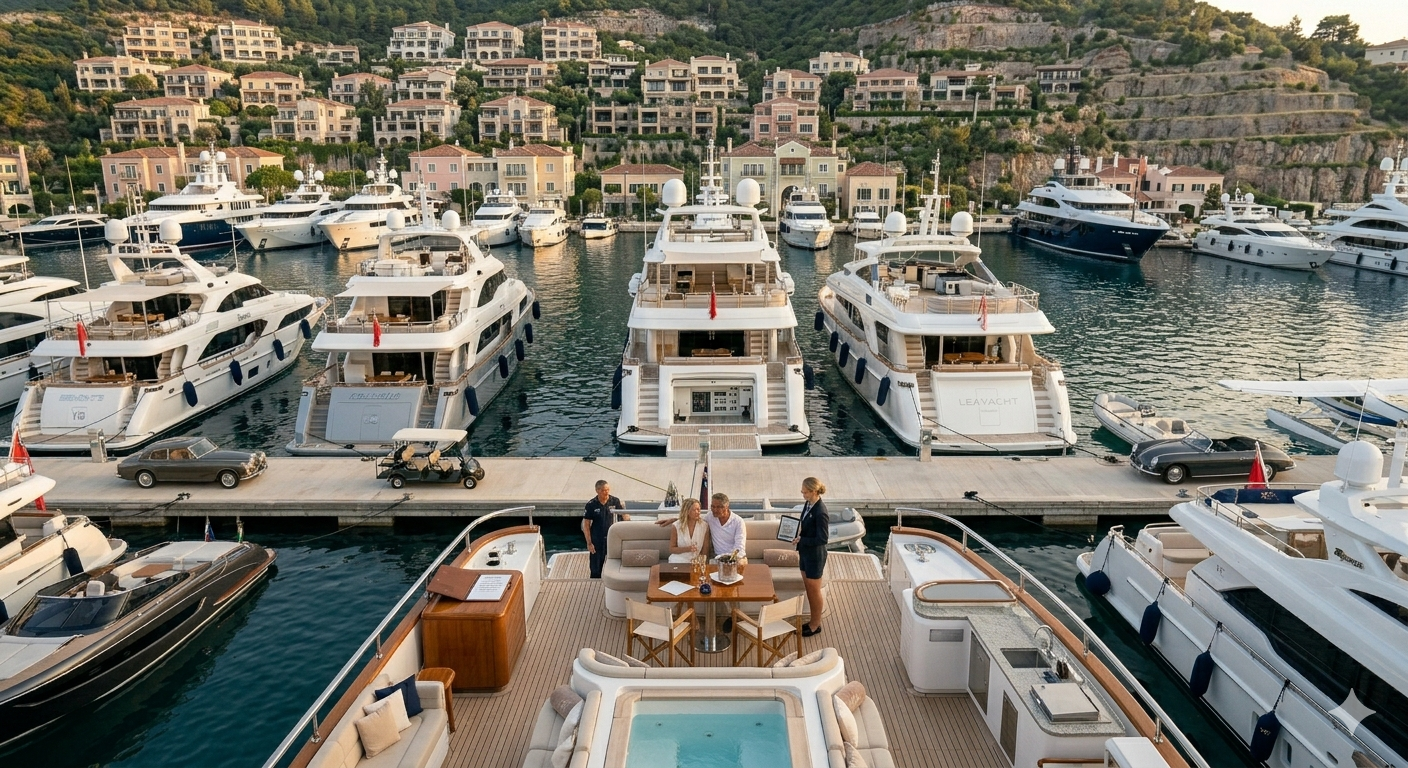
As dawn broke over the marina on a crisp July morning, a small group of yacht enthusiasts gathered on the deck of a sleek, state-of-the-art yacht named "Serenity." Each person was not just an admirer; they were part-owners of this vessel through a fractional ownership program, a concept that has radically transformed yacht ownership in 2026. The allure of sharing the costs of maintenance and operation, while still enjoying the prestige and thrill of yacht ownership, has become an enticing proposition for many.
In recent years, the yacht industry has navigated new waters, driven by shifting consumer preferences and technological advancements. The traditional model of yacht ownership, once a symbol of exclusive affluence, is evolving. Today, it's not uncommon to see innovative models of ownership and operation gaining popularity, reflecting broader changes in how individuals and companies perceive luxury, sustainability, and technology.
The Rise of Fractional Yacht Ownership
Fractional yacht ownership is not just a fleeting trend; it is a pragmatic solution that caters to a modern lifestyle. As we step into 2026, the appeal of owning a yacht in fractions has expanded beyond financial savings. This model offers flexibility and freedom, allowing owners to enjoy the yachting experience without the full burden of ownership. It democratizes access to luxury, making it possible for a broader audience to indulge in the maritime lifestyle without committing to the massive capital outlay traditionally required.
Industry statistics reveal that fractional ownership has surged, with approximately 40% of new yacht sales now incorporating some form of shared ownership model. This trend is expected to continue, driven by urban professionals who desire the experience but lack the time or resources to justify full ownership. These fractional arrangements often include professional management services, ensuring the yacht is always ready for its owners' pleasure.
The Push for Sustainability
The winds of change are also blowing in the direction of sustainability. In 2026, yacht buyers are more environmentally conscious than ever, prompting manufacturers and brokers to prioritize sustainable practices. This shift is not merely a response to consumer demand but a crucial strategy to future-proof the industry against stricter regulations and rising fuel costs.
Many new yachts are now designed with eco-friendly technology, such as hybrid propulsion systems and solar panels, reducing their carbon footprint dramatically. Some yacht builders are exploring alternative materials, including recycled composites, to enhance eco-credentials. Owners are increasingly aware of the potential impact of their vessels on marine ecosystems, prompting a surge in eco-friendly yachting practices and products.
Technological Innovations Steering the Helm
Technology has long been synonymous with advancement, and the yachting industry is no exception. Today, yachts are equipped with smart systems that provide seamless control over virtually every aspect of navigation and onboard amenities. Artificial intelligence and the Internet of Things (IoT) are playing pivotal roles in enhancing the yachting experience.
For instance, advanced navigation systems now integrate real-time data analytics to optimize routes and improve fuel efficiency. Onboard, smart home technology enables owners to control lighting, climate, and entertainment systems via smartphone apps, offering unprecedented convenience. Moreover, the integration of virtual reality allows potential buyers to "test sail" yachts from the comfort of their homes, revolutionizing the purchasing process.
Looking Ahead: The Next Decade
As we look toward the future, the yacht industry is poised for continued innovation and transformation. Experts predict that by 2036, the industry will see a rise in autonomous yachts, which will further reduce the need for large crew complements and enhance safety through automated systems. Blockchain technology may also play a significant role in streamlining transactions and ownership records, adding another layer of transparency and security.
The future of yacht ownership will likely be shaped by a combination of these technological advancements and a growing emphasis on sustainable practices. Owners and manufacturers alike must adapt to these changes to remain relevant and successful in the global maritime leisure market.
Frequently Asked Questions
What is fractional yacht ownership?
Fractional yacht ownership allows multiple parties to share the costs and usage of a yacht, making luxury boating more accessible and affordable.
How are yachts becoming more sustainable?
Yachts today utilize eco-friendly technologies like hybrid propulsion systems and sustainable materials to reduce environmental impact.
What technological advancements are influencing yacht ownership?
Advancements such as AI navigation, IoT integration, and virtual reality are enhancing the yacht ownership and buying experience.
Conclusion
Yacht ownership in 2026 is at the nexus of tradition and transformation. With fractional ownership models expanding and a strong push towards sustainability, alongside cutting-edge technology, the industry is redefining what it means to own a yacht. As we venture further into the future, these trends will continue to shape the landscape, offering new opportunities and challenges for owners, brokers, and enthusiasts alike. Embracing these changes will be key to enjoying the unending horizons of luxury maritime travel.