The Future of Yacht Ownership: Trends and Innovations for 2026
The Future of Yacht Ownership: Trends and Innovations for 2026
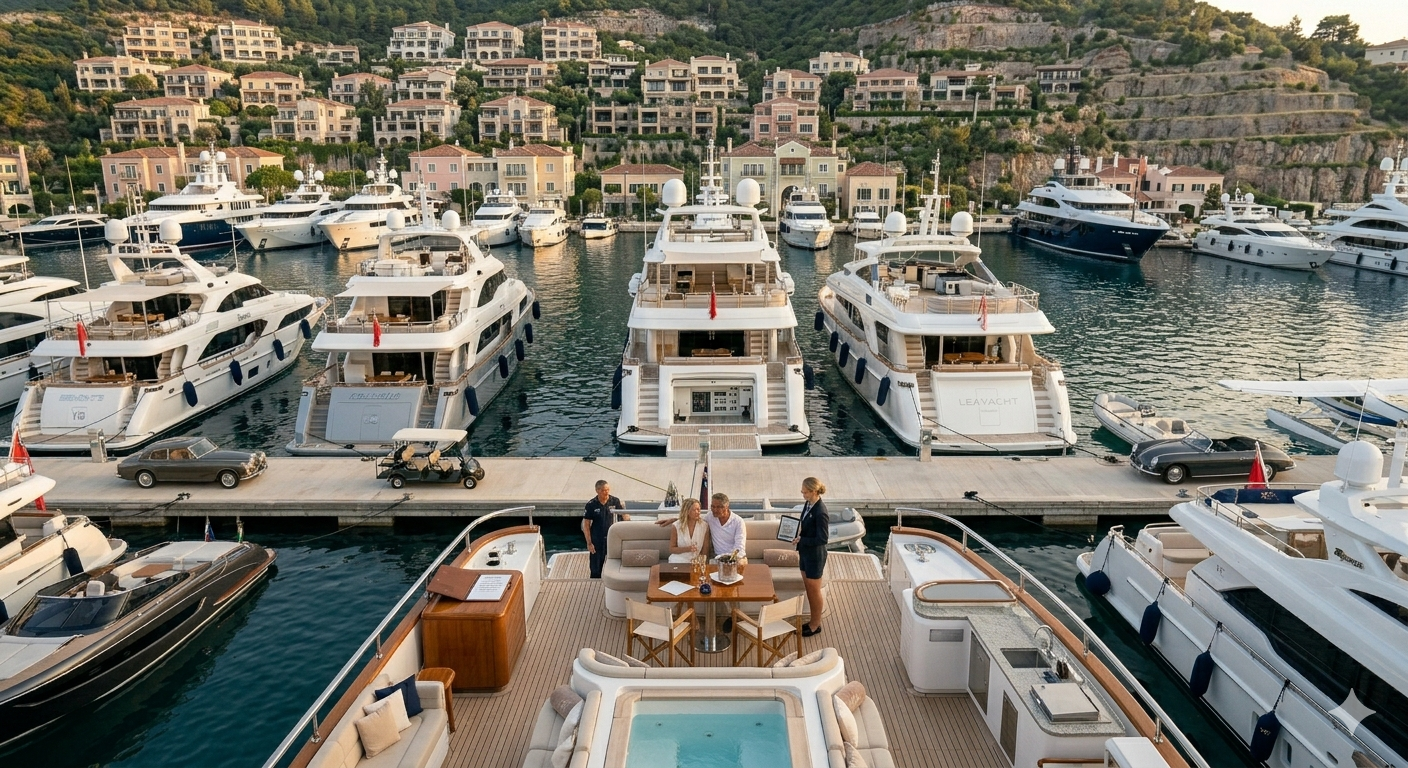
When Simon first stepped onto the deck of his newly acquired yacht in the summer of 2024, he was not just embarking on a personal journey into the world of luxury maritime travel; he was sailing into the future of yacht ownership. Like many others, Simon was drawn by the allure of innovation and sustainable luxury that promised a better experience and a lighter environmental footprint. The yachting landscape is evolving at a remarkable pace, influenced by technological advancements, changing ownership models, and a growing emphasis on sustainability.
The New Face of Yacht Ownership in 2026
In 2026, yacht ownership is less about possessing a status symbol and more about aligning with values that reflect personal lifestyle choices. A decade ago, the trend was all about size and opulence. Today, the narrative has shifted towards efficiency, innovation, and ethical considerations. This shift is largely driven by a new generation of yacht owners who are more environmentally conscious and tech-savvy.
An intriguing development is the shift from traditional ownership to more flexible models such as fractional ownership. This model allows individuals to share the costs and responsibilities of yacht ownership, making it more accessible to a broader demographic. According to industry analysts, fractional ownership is not just a trend; it's a burgeoning market revolutionizing the way people think about luxury assets.
Pioneering Sustainability at Sea
As climate change continues to be a global concern, the yachting industry is making strides in sustainability. Yacht builders are increasingly incorporating eco-friendly materials and propulsion systems. For instance, hybrid yachts that combine traditional engines with electric propulsion are gaining popularity. These advancements not only reduce the carbon footprint but also offer quieter, more efficient journeys at sea.
Furthermore, the use of sustainable materials such as recycled composites and non-toxic paints is becoming standard practice. These innovations are critical in appealing to new yacht buyers who prioritize environmental responsibility. Simon, for example, opted for a yacht from a manufacturer known for its commitment to eco-conscious designs—a decision that resonated with his personal values.
Technological Innovations Transforming Yacht Management
The integration of technology into yacht management has been another game-changer. Smart systems and AI are at the forefront, simplifying operations and enhancing the onboard experience. Advanced systems provide real-time data on weather, navigation, and maintenance needs, allowing for proactive management and seamless voyages.
Imagine a yacht that predicts its maintenance schedule or adjusts its energy consumption based on occupancy and usage patterns. These AI-driven capabilities not only improve efficiency but also extend the lifespan of the yacht, making ownership more sustainable and economically viable.
Demographic Shifts and Market Predictions
The demographic profile of yacht owners is shifting, with younger, tech-oriented individuals entering the market. This change is influenced by the rise of new wealth in regions like Asia and the Middle East, where there is a burgeoning interest in luxury maritime travel. These new buyers are more inclined towards yachts that emphasize smart technology and sustainability.
Market analysts predict that by 2026, the demand for yachts that integrate seamlessly with digital lifestyles will continue to grow. Owners like Simon are not an anomaly but part of a growing trend where technology and personal values play a pivotal role in purchasing decisions.
Practical Wisdom for Prospective Yacht Owners
For those considering entering the world of yacht ownership, understanding these emerging trends is crucial. First, evaluate the cost benefits of fractional ownership versus traditional models. If sustainability is a priority, research manufacturers that focus on eco-friendly designs. Lastly, leverage technology to enhance your yachting experience, from navigation systems to energy management tools.
While the prospect of owning a yacht is undeniably exciting, being informed about these innovations and trends ensures that your investment is future-proof and aligned with the evolving landscape of luxury travel.
Frequently Asked Questions
What is fractional yacht ownership?
Fractional yacht ownership allows multiple individuals to share ownership of a yacht, dividing costs and responsibilities.
How are yachts becoming more sustainable?
Yachts are incorporating hybrid propulsion systems, eco-friendly materials like recycled composites, and non-toxic paints to reduce their environmental impact.
What technological innovations are enhancing yachting?
Technological innovations include AI for predictive maintenance, smart energy management systems, and real-time data integration for better navigation and operation.
Conclusion
As Simon sails smoothly across the azure waters, he is not just experiencing a personal leisure voyage but participating in a larger narrative of change within the yachting industry. The future of yacht ownership in 2026 is marked by an alignment with sustainable practices, innovative technology, and flexible ownership models. For prospective owners, these trends offer a roadmap to making informed and responsible choices in the world of luxury yachting.