The Future of Yacht Ownership: Navigating the Shift Towards Sustainable Practices in 2026
The Future of Yacht Ownership: Navigating the Shift Towards Sustainable Practices in 2026
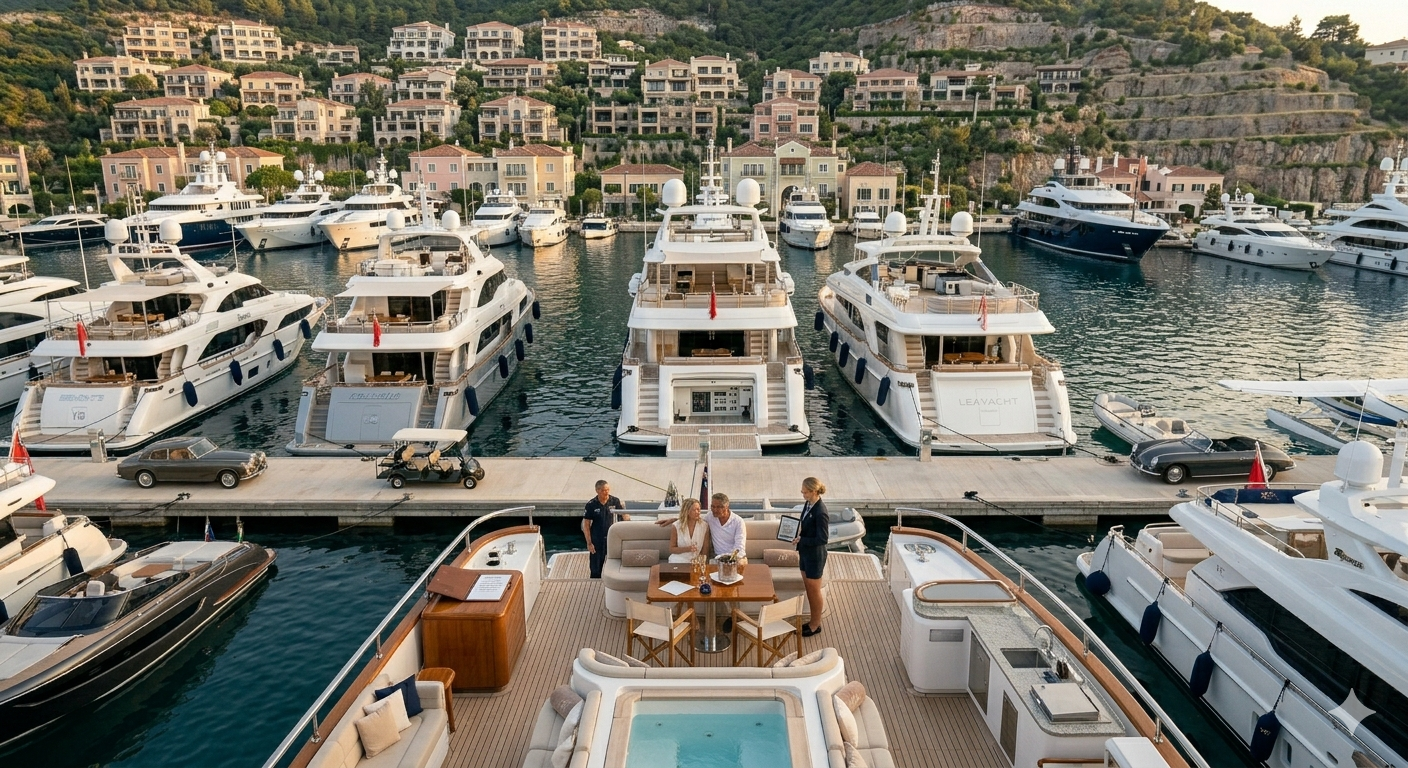
In the summer of 2026, the Port of Cannes hummed with its usual effervescent blend of luxury and innovation. This year, however, the scene bore a subtle yet profound shift: a gleaming new fleet of eco-friendly yachts dominated the marina, their sleek forms a testament to the industry's commitment to sustainability. Gone were the days when opulence alone defined maritime luxury. Today, ecological mindfulness is not just a trend; it is the future of yacht ownership.
As I walked the docks one sunny afternoon, I met Sarah, a yacht owner who was glowing with pride. "The engine is hybrid," she beamed, gesturing towards her newly acquired vessel. "We can sail without leaving a carbon footprint." Her sentiments reflect a broader movement within the industry, as yacht owners and builders increasingly seek ways to balance luxury with environmental stewardship.
The Green Wave of Yacht Ownership
The yachting industry has long been synonymous with lavishness, but as global awareness of environmental issues rises, so does the demand for conscientious luxury. In 2026, yacht ownership is undergoing a transformation driven by sustainability. According to recent market analyses, a significant portion of new yacht owners are millennials and Gen Z—groups known for their environmental awareness and preference for sustainable practices.
These buyers are not just looking for a status symbol but are motivated by a desire to lower ecological impact. Consequently, builders are responding with innovations that incorporate eco-friendly materials and technologies. Electric propulsion systems, solar panels, and recycled materials are becoming standard features rather than exceptions.
Hybrid Ownership Models: A Sustainable Choice
Innovative ownership models are also emerging to cater to the environmentally conscious. Hybrid ownership—where multiple individuals share the use and upkeep of a yacht—has gained traction. This approach not only reduces the ecological footprint per owner but also democratizes luxury, making yacht experiences accessible to a broader audience.
Consider the successful example of "Green Waves Yachting Club," a cooperative that allows members access to a fleet of sustainably designed yachts. Their model promotes responsible use and reduces idle time, ensuring that each yacht is used to its fullest potential while generating shared value among owners.
Eco-Friendly Yacht Designs and Technologies
As technology advances, yacht designs have evolved to embrace sustainable practices without sacrificing luxury. Electric and hybrid propulsion systems are at the forefront, significantly reducing emissions. Solar panels are integrated into the design, providing renewable energy that powers onboard systems.
"We've started to see ships that almost mimic nature itself," remarked a designer at the Monaco Yacht Show. With designs inspired by natural forms, these vessels blend seamlessly into the marine ecosystems they traverse, minimizing disruption to marine life while maximizing aesthetic appeal.
Changing Buyer Demographics and Market Dynamics
The shift towards sustainability is altering the landscape of yacht ownership, influencing both the demographics of buyers and market dynamics. Younger buyers are entering the market, driven by values that prioritize environmental responsibility. This demographic change is prompting traditional brands to evolve and innovate, catering to a clientele that demands both luxury and sustainability.
Sustainability is no longer a niche—it is a driving force that shapes purchasing decisions and market strategies. Industry reports indicate that brands embracing sustainable practices see not just an increase in sales but also a boost in brand loyalty.
Case Studies in Sustainable Yachting
Several pioneering yacht owners and builders are leading the charge in sustainable yachting. The "Elysium," a 40-meter yacht, is renowned for its groundbreaking use of alternative energy sources and zero-emission cruising capabilities. Its owner, a tech entrepreneur, turned his dream of sustainable luxury into a reality, inspiring peers to follow suit.
Another noteworthy example is "The Odyssey," which features a state-of-the-art hybrid system coupled with an innovative waste recycling program. Owners of such vessels are finding ways to not only reduce their environmental impact but also to set new standards for the industry.
Navigating Common Pitfalls in Sustainable Yacht Ownership
Navigating the complexities of sustainable yacht ownership requires more than just good intentions. New owners often underestimate the importance of choosing the right technologies and materials. Experienced owners advise prioritizing modular designs that allow for future upgrades, ensuring that the yacht remains cutting-edge without requiring complete overhauls.
Additionally, the management of a sustainable yacht requires a conscious dedication to regular maintenance and the use of eco-friendly products. These measures not only preserve the vessel’s value but also ensure it operates efficiently and sustainably.
Frequently Asked Questions
What is hybrid yacht ownership?
Hybrid ownership refers to a model where multiple individuals share the use and maintenance of a yacht. This reduces costs and environmental impacts per user.
How do eco-friendly yachts reduce their carbon footprint?
Eco-friendly yachts often utilize electric engines, solar panels, and sustainable materials to reduce emissions and energy consumption.
Why are younger generations more interested in sustainable yachting?
Younger buyers often prioritize environmental responsibility, and sustainable yachts align with their values while offering innovative luxury experiences.
Conclusion
As the sun set over the port, casting a golden hue over the water, it became clear that the future of yachting lies in sustainability. This shift not only meets the demands of a more conscientious consumer base but also paves the way for a more equitable and environmentally friendly industry. By embracing sustainable practices, the yachting world is not just riding the wave of change—it's leading it. As we look to the horizon, there is promise in the wind, urging us forward into a more sustainable future for luxury on the open seas.