The Future of Yacht Sustainability: Innovations and Trends for 2026
The Future of Yacht Sustainability: Innovations and Trends for 2026
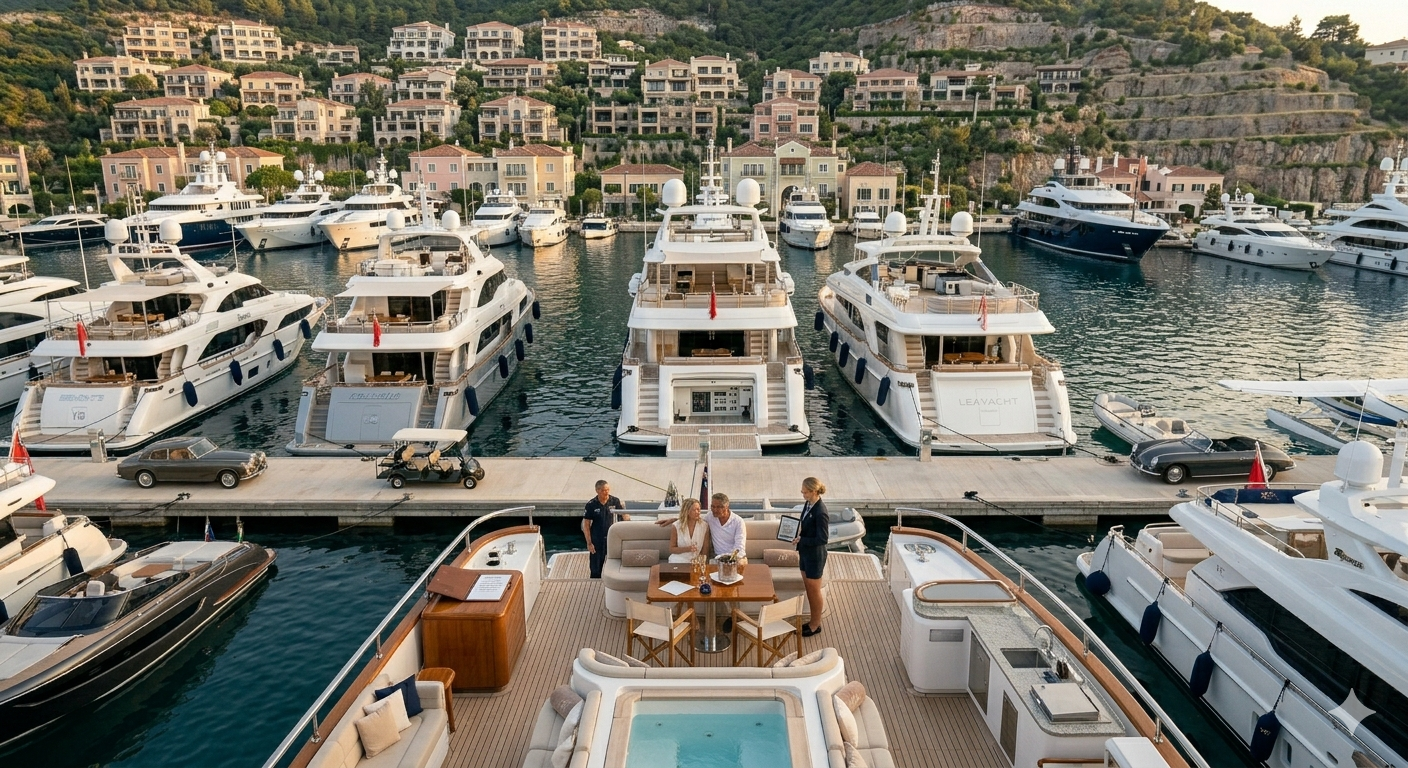
In the turquoise waters off the coast of Monaco, the annual yacht show in September is a spectacle of luxury, innovation, and an increasingly important ingredient: sustainability. As I navigated the bustling docks crowded with yachts of every size, one unusually quiet vessel caught my attention. It wasn’t the sleek design or the opulent deck that stood out, but the whispering hum of its engine—a sign of its hybrid propulsion system.
This vessel, a pioneer in eco-friendly yacht design, symbolizes a growing trend in the industry: sustainability. As the world grapples with climate change and environmental degradation, the yachting industry, known for its extravagance, is embracing a greener ethos. This shift is not just about adhering to regulations or appeasing eco-conscious consumers; it’s about safeguarding the future of yachting itself.
Riding the Wave of Sustainability Trends
Yacht builders, designers, and owners are increasingly focusing on sustainability. This trend is reshaping not only how yachts are built but also how they are operated and marketed. According to a recent article in Yachting Magazine, the drive towards eco-friendly luxury is more than a fleeting trend—it's a fundamental shift in industry priorities.
The impetus for this transformation comes from several fronts. First, there’s the undeniable pressure from international regulations aiming to reduce carbon footprints across industries. Furthermore, an emerging market of younger, environmentally-conscious consumers is demanding more than just opulence. They are seeking experiences that align with their values, pushing the industry toward more sustainable practices.
Innovations in Eco-Friendly Yacht Design
The design and construction of yachts have seen remarkable changes in pursuit of sustainability. At the forefront are advancements in materials and propulsion systems. An article from Boat International highlights how designers are increasingly turning to recycled and sustainable materials without compromising luxury. Innovative composite materials are replacing traditional fiberglass, reducing environmental impact without sacrificing strength or aesthetics.
Moreover, propulsion technologies have leaped forward with hybrid and fully electric systems reducing reliance on fossil fuels. These innovations not only lower emissions but also enhance the onboard experience by minimizing noise and vibration, allowing passengers to enjoy the serenity of the sea.
Harnessing the Power of the Elements
The incorporation of renewable energy sources is another revolutionary step. Solar panels and wind turbines are becoming standard on many new yachts. These technologies harness the abundant power of the sun and wind, often sufficient to support a yacht’s auxiliary systems or even contribute to propulsion.
For instance, a recent model unveiled at the Monaco show featured an innovative solar sail, doubling as a power source and a sleek design element. This approach not only adds to the yacht’s green credentials but also offers owners the enticing prospect of reduced operating costs over time.
The Surge in Sustainable Yacht Charters
Consumer demand for sustainable options is particularly evident in the charter market. Eco-conscious travelers are increasingly seeking out charters that prioritize environmental responsibility. According to Luxury Yacht Charter, this demand has prompted many operators to market themselves as eco-friendly, offering packages that emphasize sustainable practices both onboard and in the destinations they visit.
Charter companies are adopting measures such as waste reduction, using biodegradable products, and sourcing locally-produced organic food for their guests. These changes are not merely cosmetic but reflect a deeper commitment to protecting the delicate marine environments their clients come to enjoy.
Leading the Charge: Case Studies of Innovation
Several companies are leading the charge toward a sustainable future. Dutch yacht builder Feadship has launched "PURE," a concept yacht featuring a hydrogen propulsion system, setting a benchmark for zero-emission luxury. Meanwhile, Italian designer Arcadia Yachts integrates extensive solar panels into its designs, seamlessly blending aesthetics with functionality.
These pioneers are proving that sustainability and luxury need not be mutually exclusive. Their innovations are setting new standards, encouraging competitors to follow suit or risk being left behind in a rapidly evolving market.
Frequently Asked Questions
How are yachts becoming more sustainable?
Yachts are becoming more sustainable through the use of eco-friendly materials, hybrid and electric propulsion systems, and by integrating renewable energy sources like solar and wind power.
What is driving the demand for sustainable yachts?
The demand is driven by stricter environmental regulations, a new generation of eco-conscious consumers, and the desire to protect marine environments while enjoying luxury travel.
Can luxury and sustainability coexist in yachting?
Yes, innovations in design and technology have shown that luxury and sustainability can coexist. Many high-end yachts now offer eco-friendly features without sacrificing comfort or style.
Looking to the Horizon
As we peer into the future of yachting, it is clear that sustainability will not just be a trend but a defining element of the industry. The innovations in design, propulsion, and consumer demand are setting a new course for the maritime world. For those of us who cherish the sea and the unique experiences yachting offers, this is a welcome evolution. It ensures that future generations can continue to enjoy the splendor of the oceans without compromising the health of our planet. As we sail into this greener future, the horizon looks bright indeed.