Marina Developments in 2026: Shaping the Future of Yachting
Marina Developments in 2026: Shaping the Future of Yachting
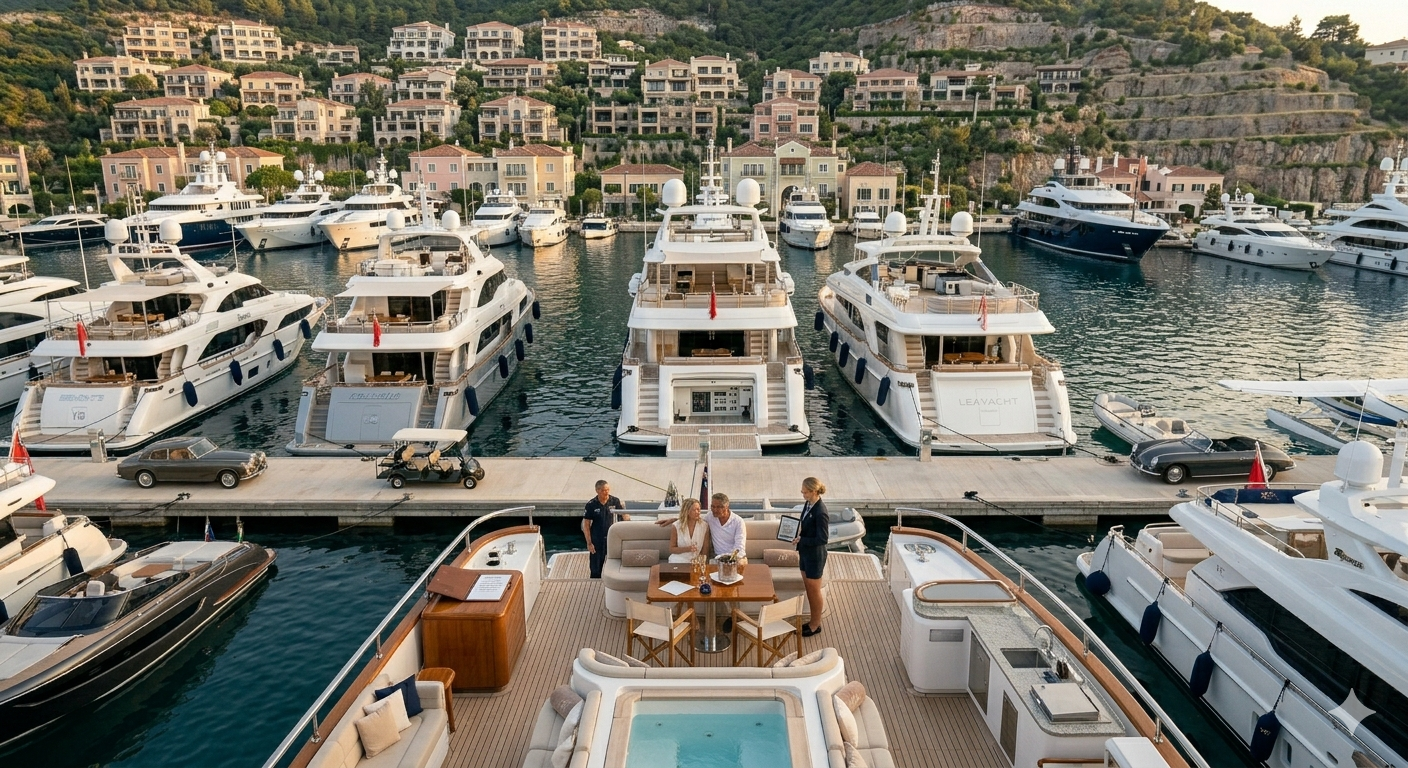
As the sun dipped below the horizon, casting a golden glow over the Adriatic, a fleet of yachts navigated into one of Croatia's newest eco-friendly marinas. This scene, reminiscent of a painter’s masterpiece, reflects more than just the captivating beauty of maritime life—it paints a picture of the evolving future of yachting, where sustainability and technological innovation take center stage.
In 2026, marinas are no longer just parking spots for boats; they are becoming integral parts of the yachting ecosystem, meeting the sophisticated demands of owners and charterers alike. As industry veterans and novices explore this realm, they find themselves navigating a sea of transformation, driven by technological advances, sustainable practices, and evolving consumer expectations.
Sustainability Takes the Helm
In recent years, the yachting world has recognized the pressing need for environmental stewardship. Marinas, often located in ecologically sensitive areas, have become pioneers in sustainable development. The trend, which began gaining momentum in the early 2020s, has now become the norm. New developments are incorporating solar panels, waste recycling systems, and eco-friendly construction materials to minimize their carbon footprint.
Take, for example, the Marina di Portofino’s latest extension, which opened earlier this year. This facility features a state-of-the-art waste management system that repurposes organic waste into energy, significantly reducing its environmental impact. This approach not only appeals to eco-conscious yacht owners but also aligns with global environmental regulations increasingly governing marine activities.
Technology: The Backbone of Modern Marinas
As digital transformation sweeps across industries, marinas are no exception. In 2026, digital platforms enable real-time yacht tracking, automated mooring processes, and personalized customer services. These innovations are more than mere conveniences; they enhance safety, efficiency, and customer satisfaction.
Imagine arriving at a marina where your boat is automatically recognized by a smart docking system. This system adjusts mooring lines and even alerts marina staff to prepare your preferred amenities based on previous visits. Such seamless experiences are becoming commonplace, as marinas embrace advanced technology to meet the expectations of a tech-savvy clientele.
Designing for a Diverse Fleet
The growing diversity of the yacht fleet, from towering superyachts to agile sailing vessels, has prompted marinas to rethink their design. Larger berths, deeper channels, and flexible docking systems are being integrated into new developments to accommodate this variety.
One striking example is Spain’s Marina Puerto Banús, which has recently expanded to include berths capable of handling the world's largest superyachts. This move not only positions the marina as a key destination for luxury vessels but also reflects a broader trend of marinas adapting to the burgeoning superyacht market.
Navigating Economic Tides
Despite the optimism surrounding technological and sustainable advancements, marina development is not immune to economic influences. Global financial trends and investment patterns significantly impact new projects.
In 2026, the industry is experiencing a cautious resurgence post-pandemic, with investment flowing into regions viewed as stable and promising. Yet, inflationary pressures and fluctuating currency values continue to pose challenges. Savvy investors are looking towards regions like Southeast Asia and the Middle East, where burgeoning markets and supportive regulations offer lucrative opportunities.
Key Insights from Seasoned Mariners
For those with a seasoned understanding of yachting, the ongoing transformations present both opportunities and challenges. Experienced yacht owners and operators emphasize the importance of:
- Sustainability: Prioritizing marinas with strong environmental credentials.
- Technology: Leveraging digital tools for enhanced safety and convenience.
- Flexibility: Adapting to emerging trends in yacht design and global economic shifts.
Frequently Asked Questions
What are the primary sustainable practices in new marinas?
New marinas are incorporating solar energy, waste recycling, and eco-friendly materials to reduce their environmental impact and comply with global regulations.
How is technology enhancing the marina experience?
Technology is enabling automated mooring, real-time yacht tracking, and personalized services, improving safety, efficiency, and customer satisfaction.
How are economic factors influencing marina developments?
Global financial trends influence investment in marinas, with current focus on stable regions like Southeast Asia, despite inflationary challenges.
Conclusion
As marinas evolve in 2026, they embody the future of yachting, where sustainability and technology are not mere add-ons but integral components. This transformation not only meets the demands of current yacht owners but also sets a course for future generations of maritime enthusiasts. As we sail forward, embracing innovation and environmental stewardship will be key to navigating the vast horizons of the yachting world.