Minimalist vs Classic Yacht Interiors: The 2026 Design Debate
Minimalist vs Classic Yacht Interiors: The 2026 Design Debate
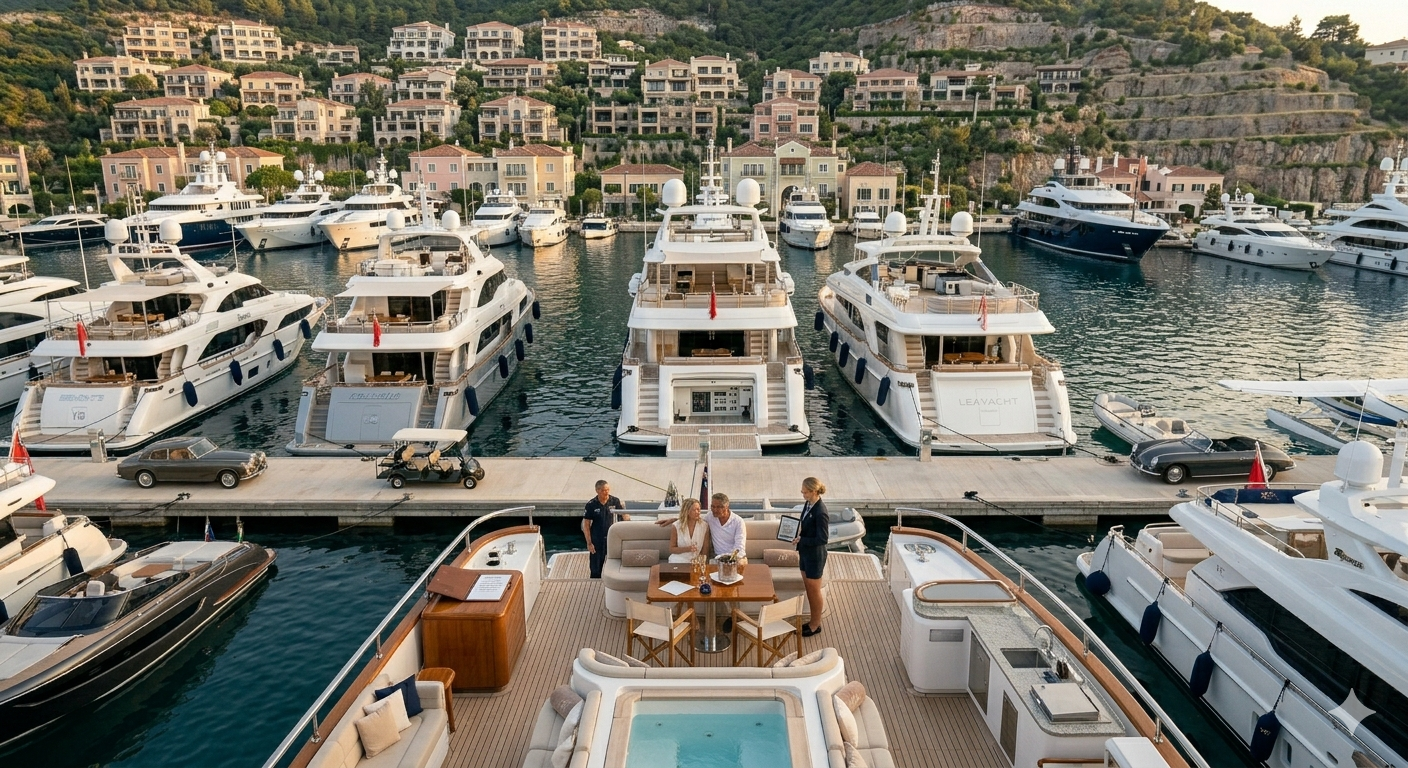
The sun was setting over the pristine waters of the Côte d'Azur as two yachts, docked side by side, became the subject of an animated discussion among seasoned maritime enthusiasts. The first yacht, sleek and uncluttered, showcased the epitome of minimalist design—an aesthetic that continues to capture the imagination of the modern-day yacht owner. In contrast, its counterpart boasted the opulence of classic design, with intricate detailing reminiscent of a bygone era of luxury. As these two distinct styles lay anchored together, the debate over the merits of minimalist versus classic yacht interiors was very much alive and thriving in 2026.
The Essence of Minimalism and Classic Design
The minimalist style, embraced fervently within the past decade, is characterized by clean lines, open spaces, and a restrained color palette. This approach to yacht interiors focuses on functionality and simplicity, stripping away unnecessary embellishments to make room for the essentials. The philosophy behind minimalism is rooted in the belief that luxury is about the experience and the calmness derived from uncluttered spaces.
Conversely, classic yacht interiors honor tradition with their rich mahogany panels, plush upholstery, and ornate fixtures. This style harks back to the golden age of yachting, where design was synonymous with grandeur and indulgence. Classic interiors are often marked by their meticulous craftsmanship and the warmth of natural materials, offering a nostalgic journey through time.
Natural Materials and Tactile Textures
Both design philosophies have seen a resurgence in the use of natural materials as yacht designers in 2026 aim to create environments that are both luxurious and sustainable. Minimalist interiors often feature materials like brushed metal, stone, and natural fibers which add texture without overwhelming the senses. These materials are not just about aesthetics; they are celebrated for their durability and ecological friendliness.
In classic interiors, the focus remains on the tactile and visual richness of materials like leather, silk, and polished wood. This return to nature aligns with a broader trend in the yacht industry, where owners and designers alike prioritize sustainability without compromising on comfort or style.
Seamless Indoor-Outdoor Living
A notable trend in both minimalist and classic yacht interiors is the seamless integration between indoor and outdoor spaces. Modern yachts are designed with panoramic windows and retractable walls that blur the boundaries between the interior and the open sea. This design choice enhances the sense of openness and connects guests more closely with their maritime surroundings.
In minimalist designs, this is often achieved through large glass doors that slide away to reveal expansive decks, creating an unobstructed flow from the salon to the sun-kissed exterior. Classic designs, while maintaining more structure, employ large, arched windows and verandas, allowing for indoor spaces that naturally extend onto open-air terraces.
The Technological Influence
Technology has seamlessly woven itself into yacht interiors, regardless of style. In minimalist yachts, technology is discreetly integrated, with smart home systems that control lighting, climate, and entertainment with a touch or voice command—perfectly aligned with the minimalist ethos of simplicity.
Classic interiors, although traditional in appearance, have not shied away from technological advances. Hidden behind wood panels and antique finishes are the latest in marine technology, providing state-of-the-art navigation and entertainment systems without detracting from the classic aesthetic.
Case Studies in Contrasting Design
To truly understand the contemporary yacht interior landscape, one only needs to look at examples that embody these design philosophies. The "Astra," a minimalist masterpiece, features open layouts and a neutral color scheme that prioritizes space and functionality. Its designers have cleverly used hidden storage solutions to maintain the clean aesthetic while ensuring every modern convenience is at hand.
In contrast, the "Majesty," a paragon of classic design, dazzles with its hand-carved wooden interiors and luxurious fabrics. Its design is a celebration of craftsmanship, with every corner telling a story of opulence and attention to detail, all the while incorporating the latest technological amenities.
Frequently Asked Questions
What defines minimalist yacht interior design?
Minimalist yacht interior design is defined by its simplicity, clean lines, and focus on functionality. It uses a restrained color palette, often employing natural materials to enhance the sense of space and serenity.
How do classic yacht interiors incorporate modern technology?
Classic yacht interiors incorporate modern technology discreetly, often hiding advanced systems behind traditional finishes like wood panels, ensuring contemporary functionality without altering the classic aesthetic.
Why is seamless indoor-outdoor living important in yacht design?
Seamless indoor-outdoor living is important as it enhances the experience of being on the water, providing an uninterrupted connection to the sea and improving the flow and usability of space on the yacht.
Conclusion
The debate between minimalist and classic yacht interiors is more than a matter of personal taste; it's a reflection of a larger conversation about luxury, technology, and sustainability in modern yachting. While minimalist designs offer a sanctuary of calm and order, classic interiors provide a rich tapestry of tradition and elegance. As we sail further into 2026, these styles will continue to evolve, driven by an ever-growing desire to blend luxury with experience and innovation with tradition. The choice between minimalist and classic remains deeply personal, each offering a distinct way to experience the timeless allure of the sea.