Motor Yacht vs Sailing Yacht: Pros and Cons in 2026
Motor Yacht vs Sailing Yacht: Pros and Cons in 2026
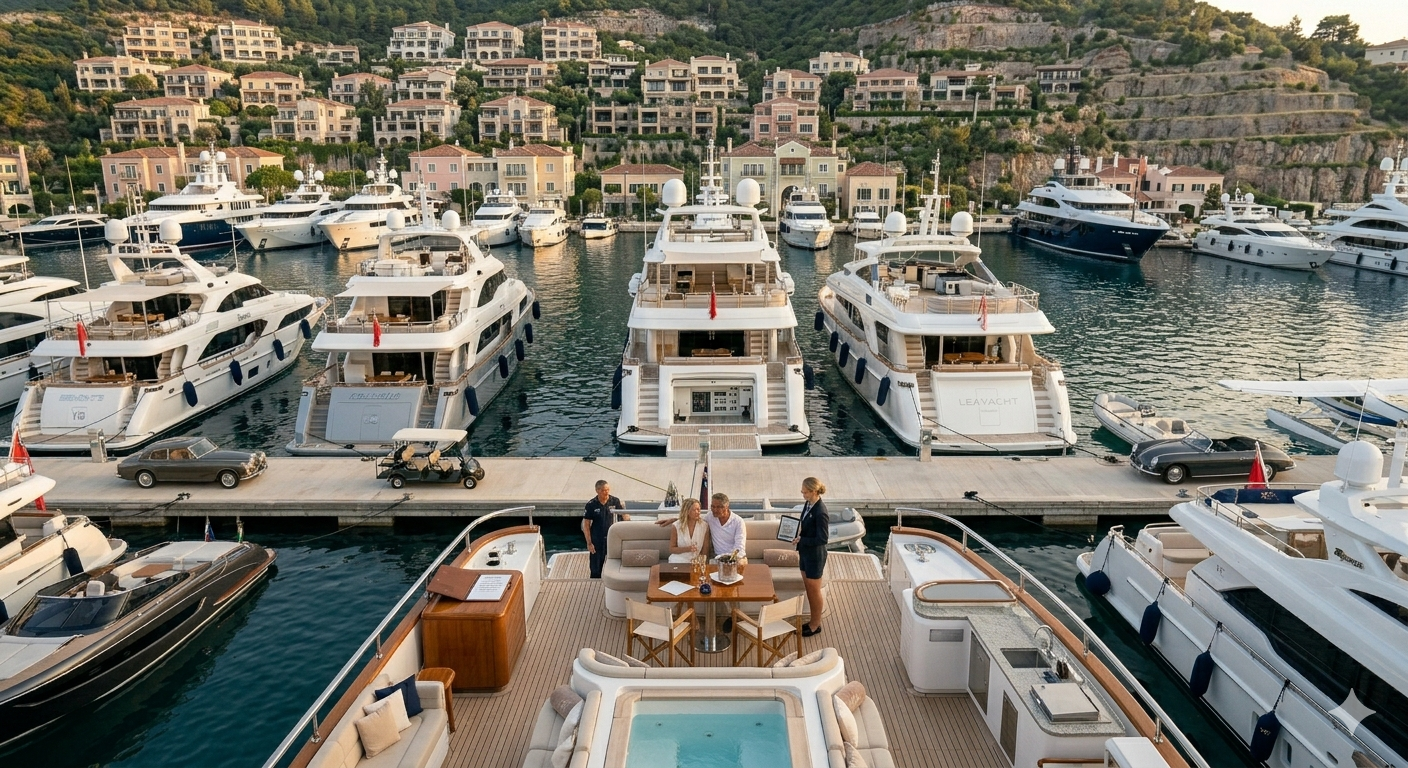
While lounging on a sun-drenched deck of a yacht bobbing gently in the warm waters of the Mediterranean, you might ponder what type of vessel best suits your maritime dreams. In 2026, the choice between a motor yacht and a sailing yacht remains as nuanced as the shifting tides, influenced by factors ranging from personal preference to the latest technological advancements. As the yachting industry sails further into the future, understanding the merits of each type can guide potential buyers and charterers in navigating these waters.
Propulsion Systems: Engines vs. Sails
Imagine the hum of powerful engines propelling a motor yacht across the azure sea, slicing through waves with the ease of a knife through butter. This is the reality for those who prefer the precision and speed that modern motor yachts offer. Equipped with advanced engines, these vessels provide a seamless blend of power and performance, appealing to those who relish the thrill of rapid travel.
Conversely, the allure of a sailing yacht lies in its reliance on the natural force of the wind. There is an undeniable romance to unfurling sails and navigating by the capricious gusts of nature. For the environmentally conscious, sailing yachts offer a more sustainable option, minimizing carbon footprint by harnessing renewable wind energy. In 2026, advancements in sail technology have made them more efficient than ever, with state-of-the-art designs ensuring smoother handling and enhanced aerodynamics.
Cost Implications: Fuel Efficiency and Maintenance
The financial considerations of owning a yacht are significant, and the type of vessel can dramatically influence these costs. Motor yachts, with their powerful engines, tend to incur higher fuel expenses. However, the flip side is their ability to cover greater distances in less time, which might justify the cost for those prioritizing speed and efficiency.
Sailing yachts, despite their lower fuel expenditure, demand a different kind of investment. Maintenance of sails and rigging systems can be labor-intensive and sometimes costly, though advancements in materials have reduced these challenges. In 2026, owners can expect to see hybrid models emerging, combining engines with sails to offer both versatility and cost efficiency.
Space and Luxury: What Each Type Offers
There’s a certain allure to the spaciousness of a motor yacht, where interior design mirrors that of a floating luxury hotel. These yachts often feature expansive decks, multiple cabins, and lavish amenities, appealing to those who equate yachting with opulence and comfort.
Sailing yachts, while typically more compact, have not been left behind in the pursuit of luxury. Innovative designs maximize space efficiency, offering elegant and comfortable interiors that make clever use of every nook and cranny. For those inclined towards a more intimate, immersive experience at sea, sailing yachts offer a closeness to the water unmatched by their motorized counterparts.
Ease of Operation for Beginners vs. Experienced Sailors
For novice sailors, the idea of handling a yacht can be daunting. Motor yachts, with their straightforward control systems and modern navigation aids, generally offer a gentler learning curve. The integration of automated systems in 2026 has only made them more accessible, allowing even beginners to pilot these vessels confidently.
On the other hand, sailing yachts demand a certain level of skill and experience. The thrill of steering a vessel using the wind is accompanied by the need for knowledge in sail trimming and navigating shifting weather conditions. As daunting as it may seem, many find the learning process rewarding, transforming each journey into a personal achievement.
Environmental Impact and Sustainability Considerations
In the wake of increasing environmental awareness, the sustainability of yachts has become a pivotal factor for many buyers. Motor yachts, despite advancements in eco-friendlier engines, still present challenges in terms of emissions. However, the industry is making strides with cleaner fuel alternatives and hybrid propulsion systems that are reducing their environmental impact.
Sailing yachts, naturally lower in emissions, continue to set the standard for eco-conscious maritime travel. Without the need for constant fuel consumption, they offer a greener alternative. In 2026, the growing trend towards sustainable yachting has prompted many manufacturers to innovate, integrating solar panels and other renewable energy solutions into their designs.
Current Market Trends and Buyer Preferences in 2026
As we journey through 2026, the yacht market reflects a nuanced blend of traditional preferences and modern innovations. The demand for motor yachts remains robust, driven by those who value speed and luxury. Nevertheless, sailing yachts have seen a resurgence, particularly among younger buyers who are attracted to their sustainability and the authentic nautical experience they provide.
Hybrid yachts, combining the best of both worlds, have begun to capture significant market attention. These vessels offer the flexibility of motor power with the eco-friendly credentials of sailing, meeting a growing consumer demand for versatility and sustainability.
Frequently Asked Questions
What are the main differences between motor and sailing yachts?
Motor yachts rely on powerful engines for propulsion, offering speed and luxury, while sailing yachts use wind power for an eco-friendly, traditional sailing experience.
Are sailing yachts more eco-friendly than motor yachts?
Yes, sailing yachts typically have a lower environmental impact due to their reliance on wind power, reducing fuel consumption and emissions compared to motor yachts.
Which type of yacht is better for beginners?
Motor yachts may be more suitable for beginners due to their ease of operation and advanced navigation systems, which offer a gentler learning curve compared to sailing yachts.
Conclusion
As the yacht market evolves in 2026, the choice between a motor yacht and a sailing yacht has never been more exciting or complex. Each type offers distinct advantages tailored to differing preferences and lifestyles. Whether you are drawn to the technological prowess and luxury of motor yachts or the sustainable, authentic experience of sailing yachts, the decision ultimately rests in aligning your maritime aspirations with the realities of ownership. In this age of innovation, the horizon is wide open for yacht enthusiasts worldwide, promising journeys that are as memorable as they are diverse.