Navigating the 2026 Yacht Charter Market: Trends and Insights
Navigating the 2026 Yacht Charter Market: Trends and Insights
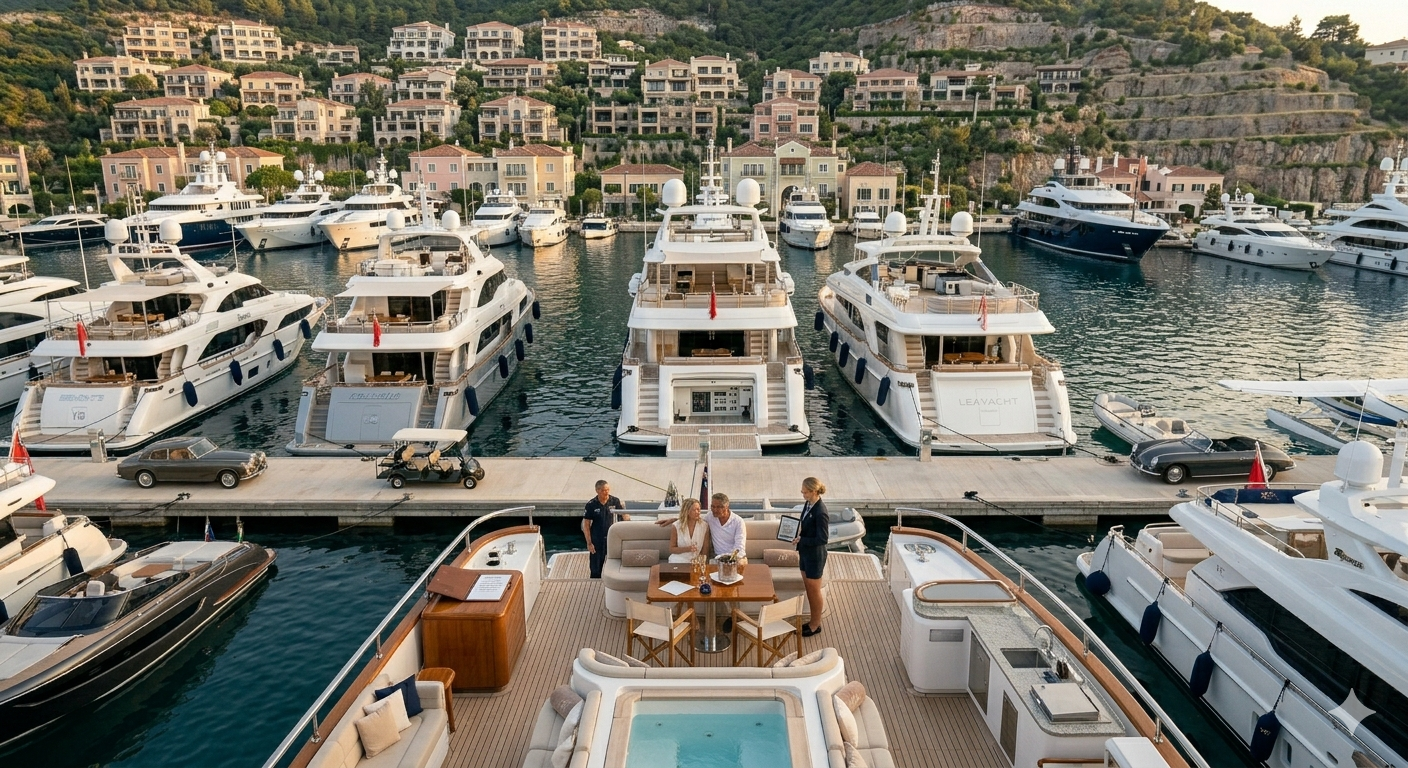
As dawn broke over the sunlit marina in Palma de Mallorca, the familiar hum of anticipation filled the air. Charter guests, from seasoned sailors to first-time adventurers, scurried about, ready to embark on their tailored voyages. The scene was emblematic of 2026's buzzing yacht charter market, a sector poised for unprecedented growth and transformation. With projections estimating a market size reaching $18.20 billion by 2034, it’s clear that the allure of maritime leisure is stronger than ever.
The current landscape, however, is not solely defined by growth. Beneath the surface lies a complex tapestry of evolving consumer behaviors, technological innovations, and a growing demand for sustainability. Understanding these dynamics offers not just a glimpse into the future of luxury travel, but a roadmap for navigating the opportunities and challenges that lie ahead.
Shifting Tides in Booking Behaviors
One of the most striking shifts in 2026 is the change in booking behaviors. Once a domain characterized by meticulous planning months in advance, the yacht charter market has seen a rapid pivot towards more spontaneous decision-making. The average lead time for bookings has plummeted from 118 days in 2025 to a mere 83 days in 2026. This reduction reflects a broader trend in travel, where flexibility and immediacy have become prized commodities.
This shift is not merely a statistical anomaly but a response to the evolving needs of modern travelers. The desire for last-minute getaways, often enabled by the convenience of online booking platforms, has reshaped the charter landscape. These platforms not only streamline the booking process but also offer potential clients a wealth of information and customization options at their fingertips, further fueling the demand for impromptu adventures.
The Rise of Eco-Friendly Charters
In tandem with these behavioral shifts, the demand for eco-friendly yacht charters has surged. As environmental consciousness permeates every facet of luxury travel, consumers are increasingly seeking sustainable options that align with their values. The yacht industry, traditionally perceived as extravagant and resource-intensive, is now at the forefront of a green revolution.
Charter companies are responding by offering yachts equipped with hybrid engines, solar panels, and eco-friendly materials. These innovations are not just cosmetic but indicative of a deeper commitment to sustainability. As clients opt for experiences that minimize environmental impact, the industry is on track to redefine what luxury means in the context of maritime travel.
New Horizons in Popular Destinations
Geographical preferences are also evolving, with both emerging markets and traditional hotspots witnessing shifts in popularity. While the Mediterranean and Caribbean remain perennial favorites, regions like Southeast Asia and the South Pacific are gaining traction as desirable charter destinations.
These areas offer untouched landscapes and unique cultural experiences, catering to travelers seeking adventure off the beaten path. This trend highlights a growing appetite for exploration and a willingness to venture beyond conventional boundaries, a sentiment that is reshaping the map of luxury maritime travel.
Technological Transformations in Chartering
Technology's impact on the yacht charter experience is undeniable. From enhancing customer engagement to optimizing operations, digital innovations are pivotal to the industry's evolution. Online platforms have become the cornerstone of the booking process, providing clients with seamless access to fleet inventories, availability, and pricing.
Beyond logistics, technology is enhancing the onboard experience itself. Virtual reality tours allow prospective clients to explore yachts from afar, while AI-driven applications cater to personalized itineraries and preferences. This tech-driven approach not only meets the demands of a tech-savvy clientele but also sets new standards for service and engagement.
Practical Wisdom in the Evolving Market
For those diving into the yacht charter market, understanding these trends is crucial. Experienced charter brokers know that flexibility and adaptation are key. Staying informed about technological advancements and being nimble in responding to market shifts can give professionals an edge.
Newcomers should prioritize learning about sustainable practices and the technological tools available for both booking and onboard experiences. This knowledge can help avoid common pitfalls, such as over-reliance on traditional booking methods or a lack of attention to eco-friendly options, which are increasingly becoming deal-breakers for clients.
Frequently Asked Questions
How has the average lead time for yacht charter bookings changed in 2026?
The average lead time has decreased significantly from 118 days in 2025 to 83 days in 2026, indicating a trend towards more spontaneous booking behaviors.
What are the key factors driving the demand for eco-friendly yacht charters?
The demand is driven by a growing environmental consciousness among travelers who seek luxury experiences that are also sustainable, prompting the industry to innovate with eco-friendly technologies.
Which new regions are emerging as popular yacht charter destinations?
Southeast Asia and the South Pacific are emerging as attractive alternatives to traditional destinations, offering unique cultural experiences and pristine environments.
Conclusion
The yacht charter market of 2026 is a dynamic ecosystem, rich with opportunities for innovation and exploration. As travelers continue to embrace spontaneity, sustainability, and cutting-edge technology, the industry must evolve in tandem. This era of change is not just reshaping what it means to navigate the seas but is redefining the very essence of luxury maritime travel. For those poised to embrace these shifts, the horizon is wide open, offering a voyage of endless possibilities.