Navigating the Future of Yacht Design: Key Innovations for 2026
Navigating the Future of Yacht Design: Key Innovations for 2026
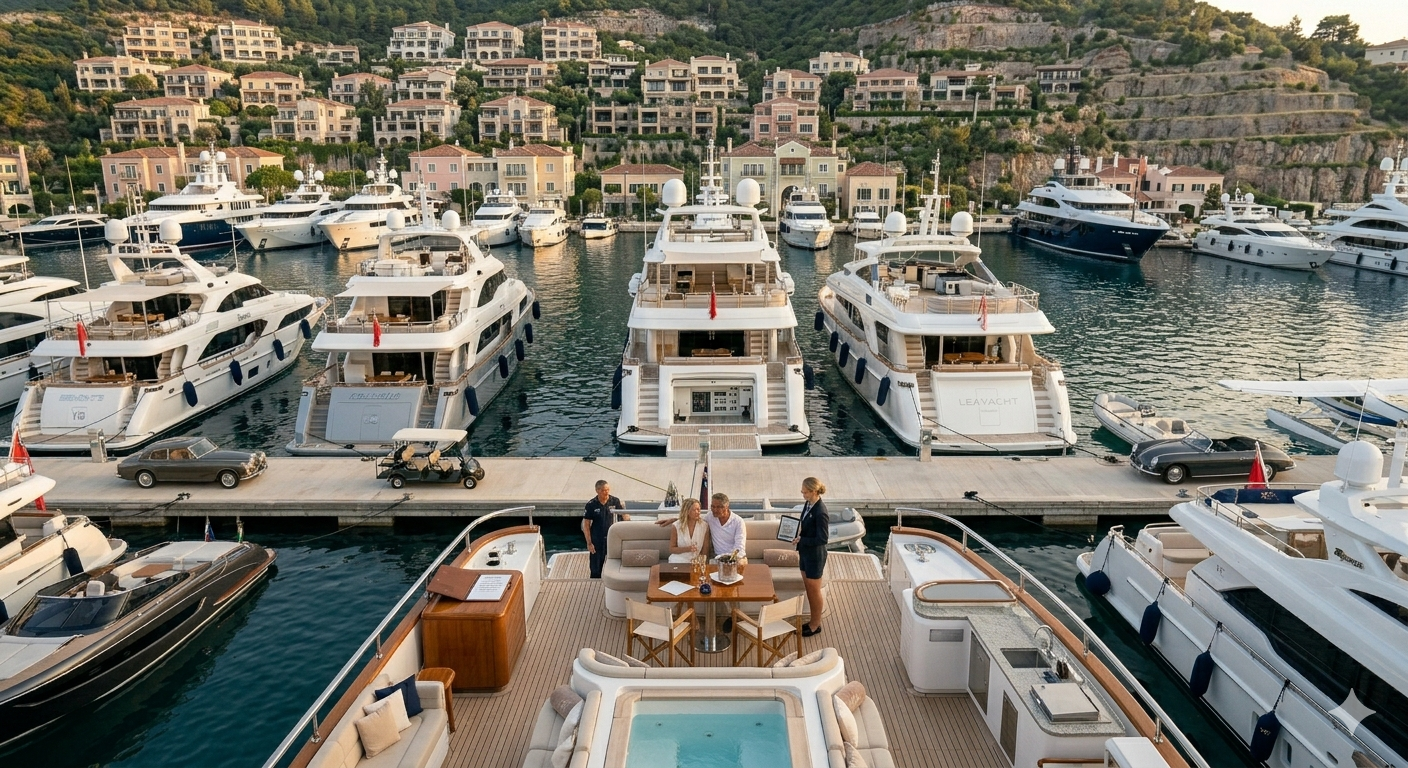
On a sunlit morning off the coast of Cannes, a sleek, futuristic vessel glided into view. Its hull, a glossy white canvas interspersed with solar panels, shimmered under the Mediterranean sun. As it docked, it wasn't just the aesthetics that drew a crowd of onlookers but the whisper of a new era in yacht design that it represented. This yacht wasn't merely a token of luxury; it was a testament to the strides made in sustainability and technology, embodying the vision of 2026.
Riding the Waves of Current Design Trends
Yacht design in 2026 is a blend of artistry and innovation, where the traditional opulence of yachting meets cutting-edge technology and eco-consciousness. Designers are no longer chasing mere extravagance; they are crafting experiences. The latest trends reflect a shift towards sleek minimalism with an emphasis on fluidity, connecting passengers intimately with the sea. Open-plan layouts and expansive windows are now standard, offering panoramic views that blend the interior with the vast ocean.
In this era, yachts are not just about the destination but the journey itself. Imagine lounging in a living area that seamlessly transitions onto an open deck, or enjoying a meal in a dining room that feels like it's floating on the water. These features reflect a growing consumer desire for seamless integration of indoor and outdoor spaces, driven by a deeper appreciation for nature and a desire for personal space within shared environments.
The Green Wave: Sustainability in Design
The mantra of "going green" has become not only a trend but a necessity in yacht design. In 2026, sustainability is at the forefront, with designers and builders prioritizing eco-friendly materials and energy-efficient technologies. Yachts like the one spotted in Cannes are equipped with solar panels and hybrid propulsion systems, reducing their carbon footprint while increasing operational efficiency.
Materials that are renewable and recycled are becoming staples in yacht construction. For instance, teak alternatives are being developed that offer the same durability and aesthetic appeal but with far less environmental impact. Furthermore, innovative wastewater treatment and energy recovery systems are now essential components, ensuring that these floating palaces tread lightly on the world's oceans.
Technological Marvels Setting Sail
Technology is the heartbeat of modern yacht design. From autonomous navigation systems to advanced hull design, technology is enhancing both functionality and the experience onboard. By 2026, many yachts are equipped with AI-driven systems that optimize routes based on weather conditions and fuel efficiency, freeing captains to focus more on the experience rather than the mechanics of travel.
The integration of smart home technology has also reached the high seas. Yachts now feature app-controlled environments, allowing guests to adjust everything from lighting to climate control with a swipe on their smart devices. This level of customization ensures that each moment on the yacht can be tailored to personal preferences, bringing unprecedented comfort and convenience.
Shaping Design Through Consumer Preferences
Today's yacht buyers are not just looking for luxury; they're seeking vessels that reflect their values and lifestyle. There is a growing demand for personalization, with owners wanting yachts that are as unique as they are. This has led to a rise in custom-built yachts that cater to specific lifestyle preferences, whether it's a state-of-the-art wellness area, a dedicated space for art galleries, or a fully equipped gym.
Moreover, younger, tech-savvy buyers are entering the market, influencing design with their affinity for digital connectivity and sustainable living. This demographic shift is pushing designers to think creatively and sustainably, ensuring that yachts remain relevant and desirable in a rapidly changing world.
Case Studies of Innovation
A few recent launches highlight these design innovations beautifully. The "Eco Voyager," launched earlier this year, is a marvel of sustainable engineering. With its hybrid engine and fully solar-paneled deck, it sets a new standard for eco-friendly luxury. Another example is the "Nautilus 2026," featuring a groundbreaking augmented reality navigation system that transforms the way captains interact with their surroundings.
These yachts are more than just vessels; they are ambassadors for a new era of responsible luxury, showcasing how the industry can balance indulgence with innovation.
Frequently Asked Questions
How is sustainability prioritized in new yacht designs?
Sustainability is addressed through the use of eco-friendly materials, hybrid power systems, and advanced wastewater treatment technologies.
What are the main technological advancements in yacht design for 2026?
Advancements include AI-driven navigation, smart home integration, and augmented reality systems that enhance navigation and operational efficiency.
Are consumer preferences significantly influencing yacht design?
Yes, there is a noticeable shift toward customization, eco-conscious features, and technology integration, driven largely by younger buyers.
Conclusion
As we look to the future of yachting, it is clear that innovation, sustainability, and personalization are not just trends; they are the new standards. The yachts of 2026 are not just vessels of the wealthy; they are symbols of a broader cultural shift towards more conscious and connected living. For those navigating the world of luxury maritime travel, these floating marvels offer not just a journey across the seas but a passage into the future of design itself. As the tides of change continue, the yachting industry is poised to sail into an exciting new horizon, where the only limit is imagination.