Navigating a Greener Wake: The Rise of Eco-Conscious Yacht Chartering in 2026
Navigating a Greener Wake: The Rise of Eco-Conscious Yacht Chartering in 2026
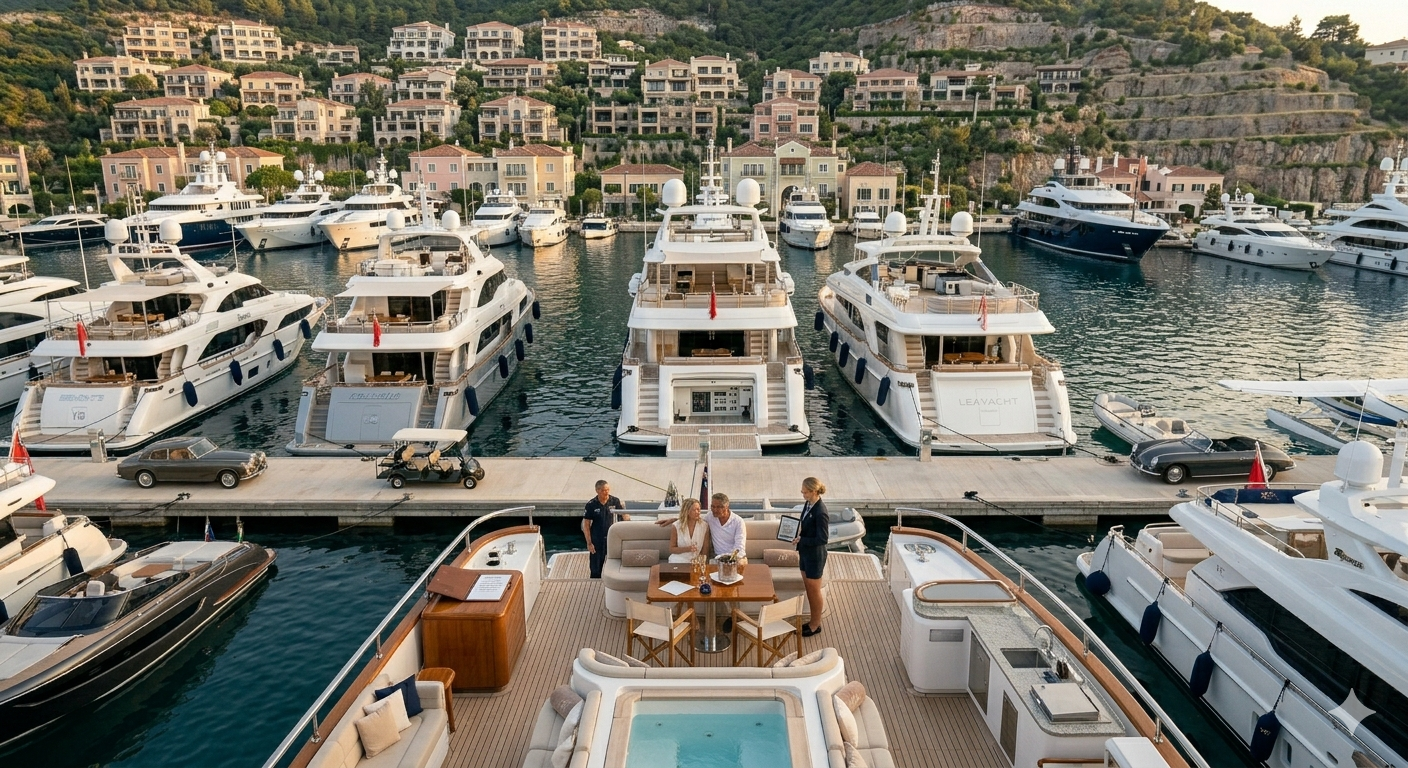
As I stood at the bustling marina, the scent of the ocean mingling with the hum of eager anticipation, it was clear that yachting was not just about luxury anymore. The gleaming hulls of sleek vessels now bore another badge of prestige: sustainability. It was the annual yacht charter show, and this year's theme was unmistakably green. Charter companies from around the globe were showcasing their commitment to eco-conscious travel, a trend that has become more than a niche — it’s the new norm.
The pivot towards sustainable yachting is not merely a response to environmental imperatives but also a significant shift in consumer preference. Today's charter clients are increasingly savvy, not just about the plush amenities on board, but about the ecological footprint their voyages leave behind. This is a generation that demands not just the finest in comfort but also a conscience-clearing experience. As one veteran charter broker put it, "Luxury and sustainability are not mutually exclusive; they are the new gold standard."
Charting the Course for Sustainability
The desire for eco-friendly options in yacht chartering has seen a dramatic rise, driven largely by a growing segment of travelers who are keenly aware of climate change. These travelers value experiences that align with their environmental ethos, leading to a burgeoning demand for sustainable travel solutions. In response, yacht charter companies are steering towards greener practices, crafting a more sustainable narrative for the industry.
A pivotal shift has been the innovation in yacht designs and technologies. Newer vessels are being tailored with hybrid propulsion systems, solar panels, and advanced waste management systems. Companies like Silent Yachts have pioneered solar-powered catamarans that glide silently across the water, leaving minimal carbon footprints. Meanwhile, traditional diesel engines are being complemented with electric motors, reducing emissions significantly and offering quieter, more serene voyages.
Regulatory Tides and Industry Adjustments
The yachting industry has not escaped the wave of regulatory changes that are advancing sustainability goals worldwide. International Maritime Organization (IMO) regulations are being updated to mandate stricter emissions standards, compelling yacht builders and operators to innovate and adapt. Many countries are also implementing marine zoning laws to protect delicate ecosystems, influencing the operational routes of charter companies.
This environment of regulatory changes is prompting the industry to rethink its operations. Some charter operators have taken proactive steps, forming alliances to set sustainability benchmarks that exceed current legal requirements. This not only helps them stay ahead of the curve but also markets them as leaders in environmentally responsible tourism, a savvy move to capture the growing eco-conscious market share.
Green Innovations In Practice
Several charter companies have embraced sustainability with both passion and ingenuity. Take the example of Eco-Charters, a company that has transformed its fleet into a showcase of cutting-edge green technology. Their yachts are equipped with innovative water purification systems and utilize biodegradable cleaning products. They even offer educational experiences onboard, teaching guests about marine conservation as part of the travel itinerary.
Another standout is Green Voyager, whose charters include sustainable fish-catching excursions and eco-friendly culinary experiences, highlighting local organic produce. These offerings not only appeal to the environmental sensibilities of their guests but also enrich the travel experience by connecting it with the local culture and ecosystem.
Looking Towards the Horizon
As we move further into 2026, the future of yacht chartering looks decidedly green. The trends we see today are only the beginning of a more profound transformation. The industry is expected to continue its march towards sustainability, driven by technological advancements and evolving consumer expectations.
We can expect to see further innovations in materials used for yacht construction, such as bioplastics and recycled composites, which promise to reduce the environmental impact of building new vessels. Moreover, the integration of artificial intelligence in navigation systems could optimize routes for energy conservation, setting a new precedent for efficiency and sustainability at sea.
Practical Advice for Charter Companies
For those in the industry, embracing this shift is no longer optional but a necessity. Here are some insights to consider:
- Invest in Green Technology: Incorporate eco-friendly technologies into your fleet, such as electric propulsion systems and solar panels.
- Engage in Environmental Education: Offer informative sessions about marine conservation to enhance guest experiences.
- Collaborate on Sustainability Initiatives: Join alliances and organizations working towards greener yachting practices.
Frequently Asked Questions
Why is there a shift towards eco-friendly yacht chartering?
The shift is driven by increasing consumer awareness of climate change and a desire to reduce environmental impact while enjoying luxury travel.
What technologies are being used in sustainable yachts?
Sustainable yachts often feature hybrid propulsion systems, solar panels, and advanced water and waste management systems to minimize ecological footprints.
How do regulations affect yacht charter operations?
Regulations mandate stricter emissions standards and marine zoning laws, which require charter companies to innovate and adapt their operations.
Conclusion
The transformation of the yacht charter industry towards sustainability is a story of innovation, adaptation, and forward-thinking. As we navigate these changes, we are not just witnessing the evolution of luxury travel but are playing a part in crafting a future where luxury and sustainability co-exist harmoniously. The yachts of tomorrow promise not only adventure and opulence but also a commitment to preserving the very seas that make such journeys possible. As we look forward, the horizon is bright, and it's painted green.