Navigating the New Era of Yacht Design: Key Innovations for 2026
Navigating the New Era of Yacht Design: Key Innovations for 2026
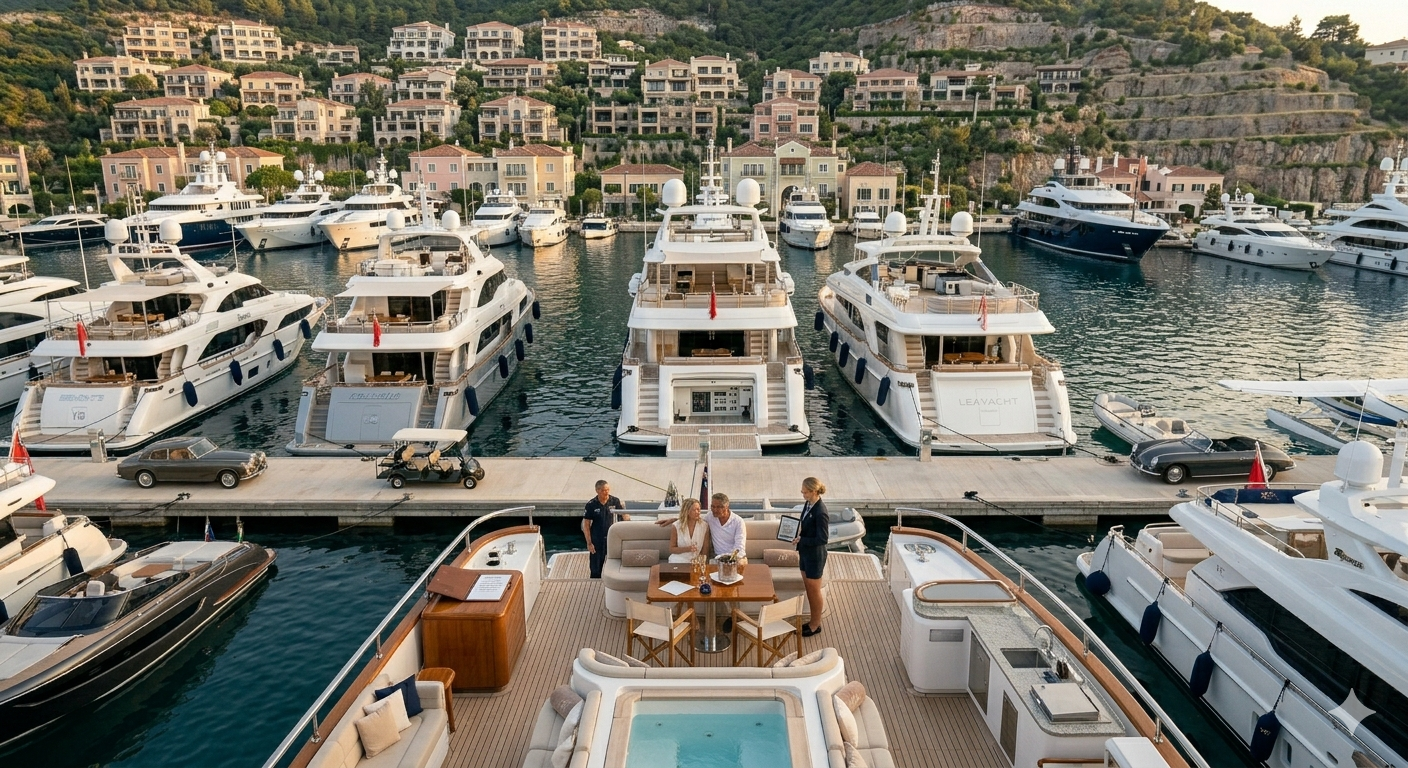
In the gentle sway of the Mediterranean, an elegant yacht glides silently through azure waters, its hull a sleek silhouette against the horizon. As the sun dips low, the deck transforms into a vibrant social space, alive with the hum of conversation and laughter. Below deck, the hum of a hybrid propulsion system whispers promises of sustainability and efficiency. Welcome to 2026, where yacht design meets the future head-on, blending technology with timeless luxury.
This vision isn't a distant dream but a tangible reality, shaped by rapidly evolving trends in yacht design. With an increasing emphasis on sustainability, technology integration, and lifestyle-driven designs, the yachting world is undergoing a transformation. Whether you are a seasoned yacht owner, an industry professional, or an enthusiastic newcomer, understanding these trends is crucial to navigating this new era successfully.
The Green Horizon: Hybrid Propulsion Systems
One of the most significant strides in yacht design over the past few years involves the introduction and refinement of hybrid propulsion systems. These systems, which combine traditional diesel engines with electric motors, represent a significant leap towards reducing carbon footprints without compromising performance.
Traditionally, yacht owners have grappled with the paradox of luxury versus environmental impact. However, the latest hybrid technologies offer a feasible solution. Yachts with hybrid systems can cruise silently on electric power, preserving the serene marine environment while also allowing for a more immersive natural experience. Engines charge batteries using solar panels or wind turbines, further reducing reliance on fossil fuels. This sustainable approach is not just an environmental imperative but increasingly a market demand, as more consumers prioritize eco-friendly options.
Smart Technologies: The Digital Deckhand
Imagine a yacht that anticipates your every need: adjusting its climate controls to your preference as you approach, or alerting you to optimal sailing conditions for your planned route. Smart technology has become the digital deckhand, integrating seamlessly into yacht operations.
Yachts are now outfitted with sophisticated onboard systems that control everything from lighting to navigation through intuitive interfaces. Owners and captains are empowered by this integration, which not only improves operational efficiency but also enhances safety. The Internet of Things (IoT) is making these vessels more connected than ever, with real-time data improving decision-making and maintenance.
Design Trends: Open Spaces and Natural Materials
As our lifestyles evolve, so too do our expectations for luxury spaces. Current yacht designs reflect a shift towards open-air social spaces, maximizing the indoor-outdoor living experience. The demand for areas that facilitate relaxation, entertainment, and social interaction has led to innovative layouts that prioritize panoramic views and fluidity between the interior and exterior.
Moreover, the choice of materials has become a focal point in design discussions. Natural, sustainable materials such as reclaimed wood and recycled metals are gaining popularity, aligning with broader trends towards environmentally conscious living. These materials not only enhance the aesthetic appeal of the yachts but also contribute to a sustainable luxury lifestyle.
Customization and Personalization: The Bespoke Experience
The luxury yacht market is increasingly driven by personalization. Owners want vessels that reflect their unique tastes and lifestyles. This has led to bespoke designs where everything from the hull shape to interior details can be customized.
Designers are now creating interiors that cater to diverse activities, from personal gyms and wellness spaces to state-of-the-art entertainment rooms. The ability to tailor a yacht's features to one's lifestyle is a powerful selling point, with owners valuing designs that accommodate their particular preferences and habits.
Lifestyle Influences: Interiors and Functionality
Today's yachts are more than just vessels; they are extensions of their owners' lifestyles. This is evident in the way interiors are being redesigned to meet changing preferences. The influence of home design trends is palpable, with an emphasis on comfort, multifunctionality, and well-being.
The yacht of 2026 is not just a vehicle for exploration but a sanctuary, equipped with everything needed for relaxation and entertainment. Spaces are versatile, allowing for diverse uses throughout the day. For instance, a lounge area might seamlessly convert into a dining area or an open-air cinema, reflecting an increasing desire for adaptability in leisure spaces.
Practical Wisdom in Modern Yacht Design
For those new to yacht ownership or considering a purchase, understanding these trends is crucial. Experienced yacht owners know the importance of investing in technology that will stand the test of time and choosing designs that offer flexibility and sustainability. Mistakes to avoid include ignoring the importance of eco-friendly innovations or underestimating the value of smart systems.
While customization is alluring, it is important to balance personal taste with universal appeal, ensuring the yacht remains attractive for potential future buyers. Opting for timeless design elements and reliable technology can safeguard against rapid obsolescence.
Frequently Asked Questions
What are hybrid propulsion systems?
Hybrid propulsion systems combine traditional engines with electric motors, allowing yachts to operate more efficiently and with reduced environmental impact.
How are smart technologies integrated into yachts?
Smart technologies in yachts involve systems that can control navigation, climate, lighting, and more, often through connected devices, enhancing both efficiency and safety.
Why are open-air social spaces important in yacht design?
Open-air social spaces enhance the onboard experience by offering more enjoyable and versatile areas for relaxation, entertainment, and social interaction.
Conclusion
Navigating the waters of 2026 demands an understanding of the innovations that define modern yacht design. As sustainability and technology take center stage, the way we perceive luxury in maritime travel continues to evolve. For yacht owners and enthusiasts alike, embracing these changes not only enhances the yachting experience but also supports a more sustainable future. As we set sail into this new era, the horizon looks promising — a blend of tradition, innovation, and luxury seamlessly coexisting as we chart new courses on the world's oceans.