Navigating the Evolving Landscape of Yacht Ownership in 2026
Navigating the Evolving Landscape of Yacht Ownership in 2026
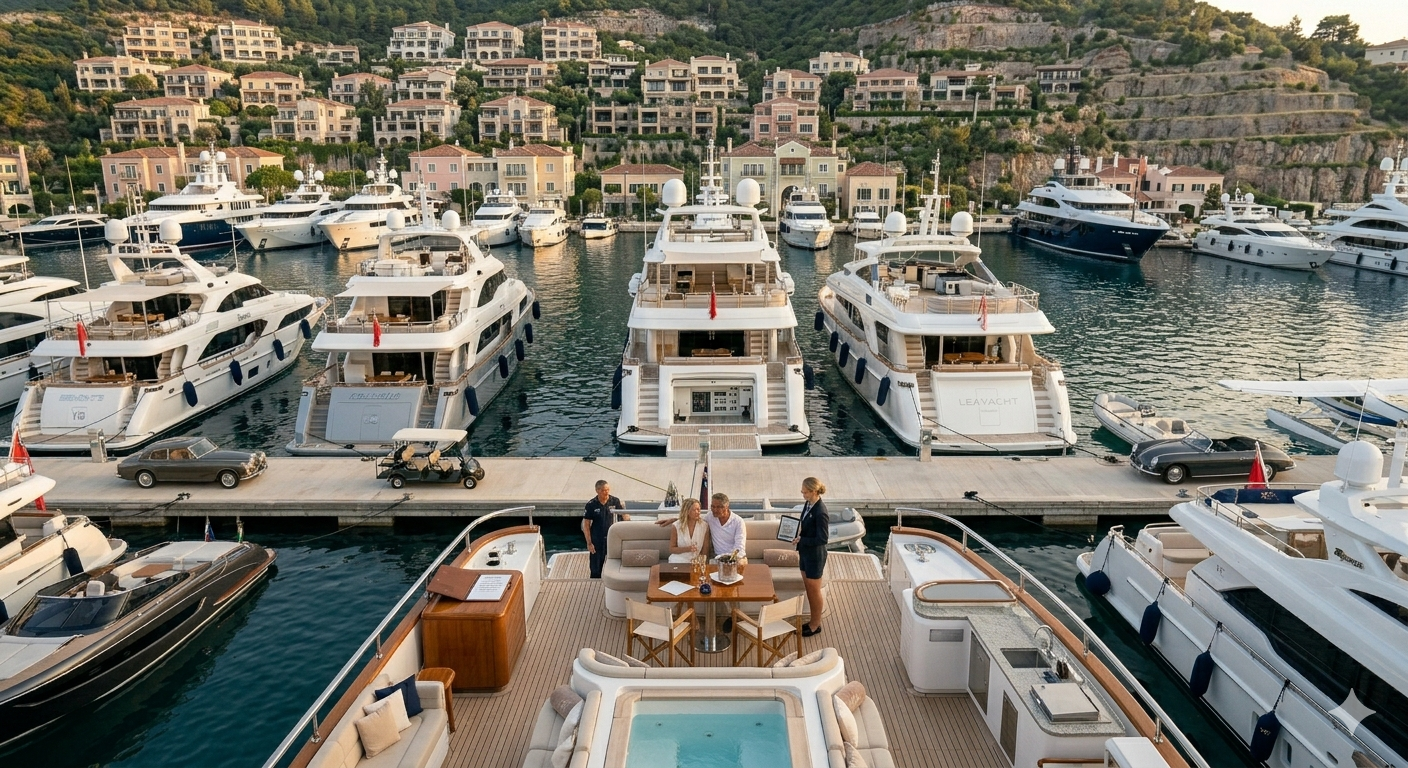
In the early hours of a bright July morning, the marina at Porto Cervo awakens to the gentle hum of activity. The Mediterranean sun casts a golden glow over the water, where luxury yachts of all shapes and sizes gently bob to the rhythm of the sea. As the world of yachting enters its latest chapter in 2026, it presents a fascinating tableau of change and innovation. Yacht ownership today is not merely a status symbol but a dynamic blend of technology, sustainability, and shifting cultural preferences.
In recent years, the tide of yacht ownership has been steering towards more sustainable practices. Environmental considerations now top the list of priorities for many would-be yacht owners. Solar panels, hybrid engines, and eco-friendly materials are no longer just industry buzzwords—they are becoming the norm. This shift is partly driven by a new wave of environmentally conscious buyers, but also by legislative changes in various maritime jurisdictions, which are tightening regulations on emissions and waste management. The yachts of 2026 are as much about navigating the sea as they are about navigating these new green mandates.
The Dawn of Green Yachting
The push towards sustainability in yachting reflects broader societal changes. Today, more owners want their vessels to mirror their values of environmental stewardship. Innovations in green technology have made this possible. For example, the introduction of electric and hybrid propulsion systems allows yachts to glide more quietly across the water while reducing their carbon footprint. Many new yacht models now feature cutting-edge energy-saving designs, from solar panel installations to advanced water purification systems that minimize environmental impact.
Consider the story of Claire, a tech entrepreneur from San Francisco, who purchased her first yacht in 2026. Her decision was heavily influenced by the vessel's eco-friendly credentials. "I wanted a yacht that aligns with my personal values," she explains. "It's not just about enjoying the sea; it's about ensuring future generations can enjoy it too." Claire's yacht, equipped with a state-of-the-art hybrid engine and solar panels, embodies the future of sustainable yachting.
Technological Marvels on the Water
In 2026, the integration of technology into yacht design has reached new heights. Smart yachts, equipped with the Internet of Things (IoT) systems, offer unparalleled convenience and safety features. These systems allow owners to monitor and control various aspects of their yachts remotely, from navigation and engine performance to onboard entertainment and security.
For instance, advanced navigation systems now utilize real-time weather data and AI-driven analytics to optimize routes, enhance safety, and increase fuel efficiency. Onboard entertainment has also evolved, with virtual reality experiences and immersive sound systems transforming leisure time at sea. This rise in technological sophistication is drawing a younger, tech-savvy demographic to yacht ownership—individuals who view these vessels as extensions of their connected lifestyles.
Shifting Demographics of Yacht Owners
The face of yacht ownership is changing, with significant demographic shifts influencing market dynamics. Younger buyers, particularly millennials and Gen Z, are entering the market with different expectations and priorities compared to previous generations. These buyers often prioritize experiential luxury over traditional notions of ownership, leading to a rise in shared and fractional ownership models.
Fractional ownership allows groups of individuals to co-own a yacht, sharing both the costs and access. This model not only makes yacht ownership more accessible but also aligns with the values of a demographic that values sustainability and efficiency over excess. According to industry reports, this trend is reshaping the market, with a noticeable increase in fractional ownership agreements and yacht charters.
The Dynamic Between Ownership and Chartering
Traditional yacht ownership is being re-evaluated in the face of these new models. While owning a yacht used to be synonymous with exclusive luxury, chartering offers a flexible alternative. It allows individuals to enjoy the yachting experience without committing to the costs and responsibilities of full ownership. This shift is particularly appealing to younger buyers who appreciate the ability to explore different yachts and destinations without the long-term commitment.
Take, for instance, the story of Alex and Jamie, a couple from London who have embraced the charter model. "For us, it's about the adventure and the places you can go," Jamie explains. "Chartering gives us the freedom to choose a different yacht and destination each year." This flexibility has broadened the appeal of yachting, making it a more inclusive lifestyle choice.
Practical Wisdom for Navigating Ownership
For prospective yacht owners or those considering the switch to fractional ownership or chartering, it's essential to weigh the advantages and challenges of each model. Traditional ownership offers unparalleled privacy and personalization but comes with significant maintenance costs and responsibilities. In contrast, fractional ownership and chartering provide financial flexibility and reduced commitment but may lack the personalized touch of sole ownership.
As the industry continues to evolve, the key for any potential yacht owner is to align their choice with their lifestyle and values—whether that's a commitment to sustainability, a desire for the latest technology, or the freedom to explore the seas without strings attached.
Frequently Asked Questions
How has technology changed yacht ownership?
Technology has revolutionized yacht ownership by integrating IoT systems, enhancing navigation with AI analytics, and improving onboard entertainment systems, making yachts more connected and efficient.
Are younger people really buying yachts?
Yes, younger demographics, including millennials and Gen Z, are increasingly entering the yacht market, often favoring sustainable and innovative features over traditional ownership models.
What is the difference between traditional and fractional yacht ownership?
Traditional ownership involves a single owner for a yacht, while fractional ownership allows multiple individuals to co-own a yacht, sharing costs and usage, which makes it more accessible.
Conclusion
As 2026 unfolds, yacht ownership continues to transform, guided by the currents of sustainability, technology, and changing buyer demographics. Whether one chooses the path of traditional ownership, embraces the efficiency of fractional models, or relishes the flexibility of chartering, the essence of yachting remains—an invitation to explore the world's waters. In this ever-evolving seascape, the future of yachting promises to be as expansive and adventurous as the ocean itself.