Navigating the Future: The Impact of AI on Yacht Design and Customization in 2026
Navigating the Future: The Impact of AI on Yacht Design and Customization in 2026
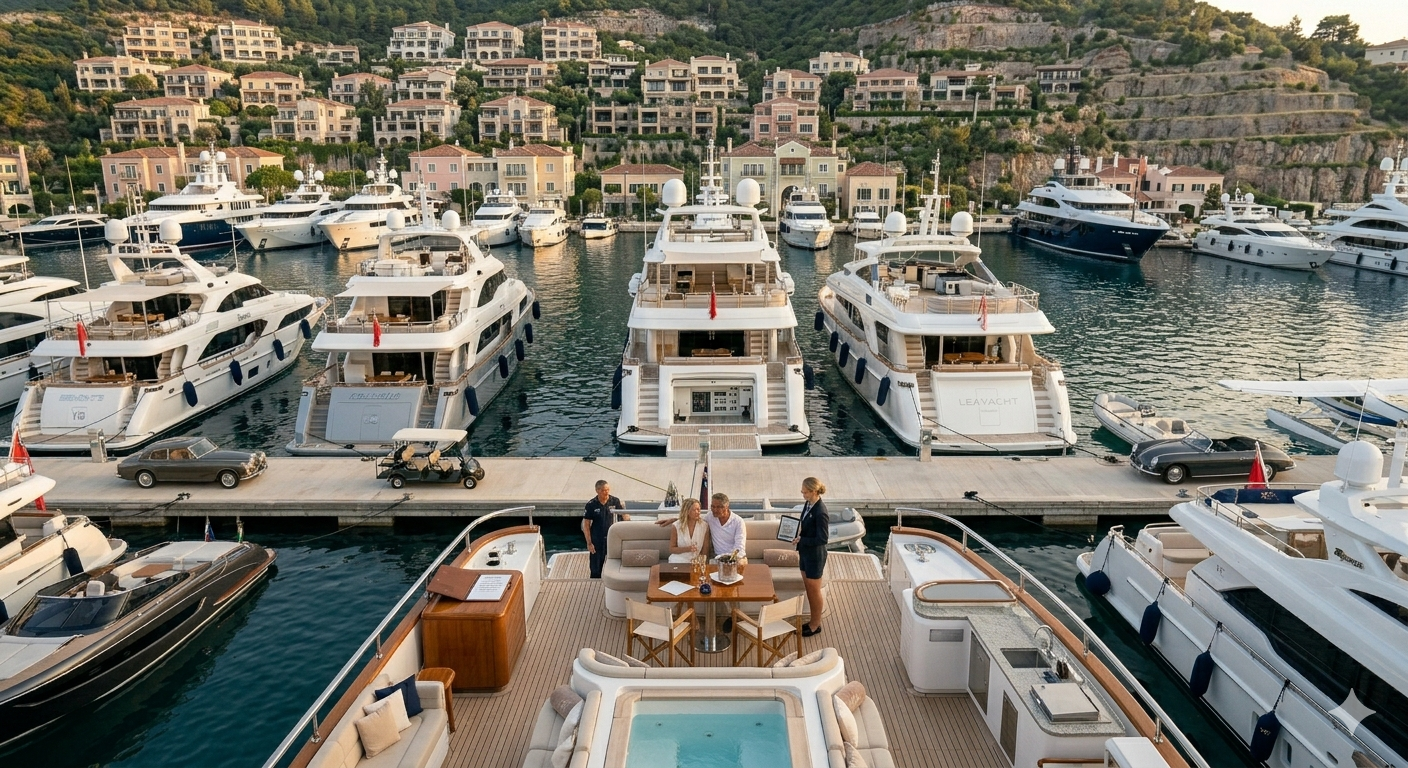
In the quiet hum of a marina tucked away on the Côte d'Azur, a sleek new yacht gleams under the summer sun. Its exterior, a blend of smooth curves and angular precision, tells a story of advanced technology and personalized design. This is not just any yacht; it's a vessel born from the marriage of yachting elegance and artificial intelligence (AI). As we stand at the cusp of 2026, AI is reshaping the way yachts are designed, built, and experienced, promising a revolution in personalization, efficiency, and sustainability.
Imagine stepping aboard a yacht that knows your preferences even before you do. From the lighting ambiance to the climate control, every detail is tailored to your tastes through AI-driven systems. This isn’t the distant future, but the reality that yacht designers and manufacturers are embracing today. The integration of AI technologies in yacht design is not just enhancing the luxury experience but is also embedding efficiency and sustainability into the very fabric of maritime architecture.
The Rise of AI in Yacht Design
AI technologies have already begun weaving their intricate algorithms into the tapestry of yacht design. These innovations are not about replacing the designer's touch but augmenting it. For instance, generative design—a technique where AI algorithms propose thousands of design permutations based on specified constraints and goals—is enabling architects to explore aesthetic possibilities that might never occur to the human mind alone.
A notable example is the 2025 launch of the "Eclipse II," a superyacht that utilized AI to not only optimize the spatial layout but also to forecast and mitigate environmental impacts. The vessel’s AI-driven design process allowed for meticulous customization, adapting to the owner's preferences while maintaining ecological responsibility.
Case Studies: Customization at its Finest
One of the most compelling stories of AI-driven yacht customization is the "Aurora." Launched in 2026, Aurora's design was a collaborative effort between human designers and AI systems. Using machine learning, the yacht was able to adjust its interior design in real-time to suit the personal preferences of its owner, even learning from previous journeys to enhance future experiences.
Another fascinating example is the "Poseidon," which features an AI-powered propulsion system that optimizes fuel efficiency based on sea conditions and travel routes. This cutting-edge technology not only reduces environmental footprint but also enhances the vessel's performance and owner satisfaction.
Sustainability: A New Horizon
The integration of AI in yacht design is not solely for the aesthetic and experiential benefits. Sustainability is a cornerstone of these advancements. With AI, designers can simulate environmental impacts long before construction begins, allowing for adjustments that minimize ecological damage. Superyachts like "Gaia," launched in 2026, demonstrate this capacity by incorporating AI to optimize energy consumption and material efficiency.
The broader impact is clear: AI is enabling the yacht industry to shift towards greener practices without sacrificing luxury. These innovations not only help reduce emissions but also promote the use of sustainable materials and renewable energy sources.
Future Trends in AI and Yachting
Looking forward, the applications of AI in yachting are poised to expand beyond the realms of design and customization. Imagine AI systems capable of predictive maintenance, alerting crews to potential technical issues before they arise, or AI-led navigation systems that plot the most efficient and safe routes, taking real-time weather data into account.
Moreover, virtual reality (VR) and AI are likely to converge, offering potential yacht owners immersive experiences of their future vessels before a single component is manufactured. This pre-emptive experience could revolutionize yacht sales and marketing by providing unprecedented levels of interaction and engagement.
Consumer Perspectives: Embracing AI
Yacht enthusiasts and buyers in 2026 are increasingly appreciative of the personalization and efficiency AI brings. The shift towards AI-driven design reflects a broader consumer trend favoring bespoke experiences that are both luxurious and responsible. According to the "Global Superyacht Market Report 2026," customer satisfaction has surged in tandem with these technological advancements, with many buyers citing AI customization as a key differentiator in their purchasing decisions.
However, while excitement is palpable, there is also caution. Some traditionalists worry about the loss of classic design elements and the potential for AI to overshadow the human creativity that has historically defined yachting.
Frequently Asked Questions
How is AI used in yacht design?
AI is used in generative design, allowing designers to explore a vast array of design possibilities. It also enhances customization by learning and adapting to owner preferences and optimizing environmental sustainability.
What are the benefits of AI in yacht customization?
AI offers personalized experiences, increases efficiency, enhances sustainability, and can optimize yacht performance through intelligent systems that adjust to real-time conditions.
What are some potential future uses of AI in yachting?
Future uses include predictive maintenance, advanced navigation systems, and immersive pre-purchase experiences through AI and VR integration.
Looking Ahead
The integration of AI into yacht design is more than a technological evolution; it's a transformation of the yachting experience itself. As we look towards the horizon, the possibilities for AI in yachting are boundless, promising a future where luxury and sustainability sail hand in hand. For those willing to embrace these changes, the waters are ripe with opportunity, and the future of yachting, guided by AI, looks as bright as the midday sun on the open sea.