Navigating the Future: The Impact of Hybrid Technologies on the Yacht Industry in 2026
Navigating the Future: The Impact of Hybrid Technologies on the Yacht Industry in 2026
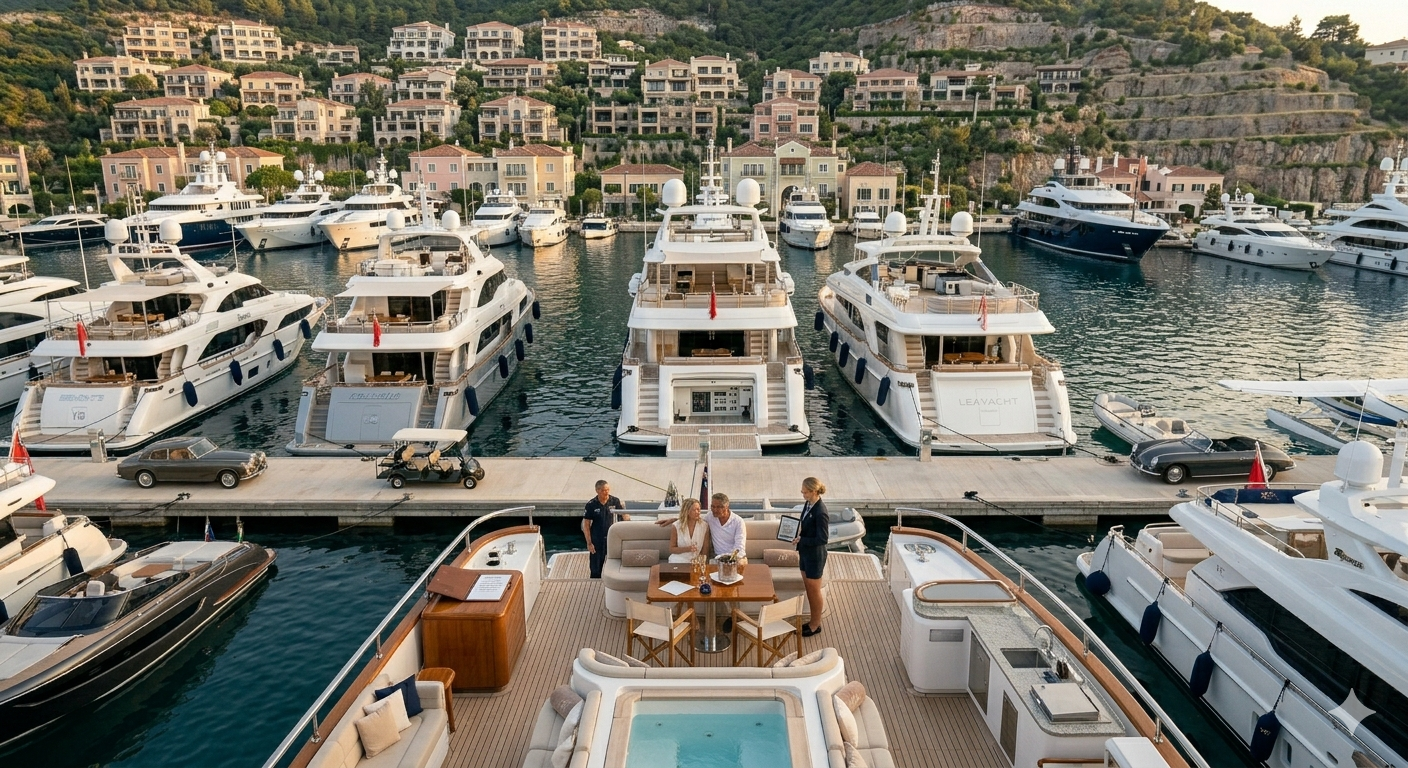
As dawn broke over the serene, turquoise waters of the Mediterranean, a new breed of yachts emerged from the horizon. Their sleek silhouettes glided almost silently, propelled by groundbreaking hybrid systems that have begun to redefine the very essence of maritime leisure. This scene is becoming increasingly common in 2026, as yacht manufacturers embrace hybrid technologies to meet the burgeoning demand for more sustainable and efficient vessels.
Hybrid technology in yachting is not just a buzzword; it represents a pivotal shift in how yachts are designed, operated, and perceived. For years, the luxury yacht industry was synonymous with opulence and power, often with little regard for environmental impact. However, as climate awareness has grown, so too has the call for innovation that harmonizes luxury with sustainability. Enter hybrid propulsion systems, promising to bridge the gap between indulgence and environmental responsibility.
The Rise of Hybrid Technologies in Yachting
Historically, yacht enthusiasts faced a choice: the raw power of traditional diesel engines or the quieter, albeit less robust, electric alternatives. Hybrid technologies, however, offer a compelling compromise. By combining conventional engines with electric motors and sophisticated energy management systems, they significantly enhance fuel efficiency and reduce carbon footprints.
Imagine a yacht that can cruise silently through protected marine areas on electric power alone, preserving the tranquility of the environment while still having the muscle to tackle long voyages when needed. This flexibility is at the heart of hybrid propulsion's appeal. According to recent industry reports, such technologies are not only improving performance but also bringing financial benefits in the form of lower fuel costs and maintenance fees. Moreover, hybrid yachts are now capable of longer, uninterrupted journeys due to enhanced fuel economy, a factor increasingly attractive to owners.
Innovations Driving the Change
Leading yacht manufacturers are racing to innovate, armed with advances in battery technology and energy management systems. For instance, some of the latest models feature lithium-ion batteries that store energy generated by the yacht's generators, solar panels, or even regenerative braking systems, allowing for extended periods of quiet cruising.
Moreover, integration of smart technology allows for real-time monitoring and adjustment of energy consumption, optimizing performance and efficiency. These systems often come with sleek digital interfaces, providing captains with unprecedented control over their vessel's operations. For example, manufacturers like Sunseeker and Ferretti Group have already rolled out models equipped with these cutting-edge technologies, setting new standards for the industry.
The Market's Response
The embrace of hybrid technologies by yacht builders is mirrored by a notable shift in consumer expectations. Today's yacht buyers are increasingly eco-conscious, often seeking vessels that reflect their values. This shift is not just about altruism; many potential owners are drawn to the reduced operational costs and the promise of better resale values that come with these advanced systems.
According to market analyses, the demand for sustainable yachting solutions has surged, with hybrid yachts expected to account for a substantial share of new builds. Analysts predict this trend will continue, driven by both regulatory pressures and consumer preference. As hybrid technology becomes more mainstream, its cost is likely to decrease, making it accessible to a broader audience.
Case Studies: Leaders in Hybrid Yachting
Several manufacturers have taken center stage in the hybrid revolution. Take, for instance, the case of Wally Yachts, known for their cutting-edge design and technological prowess. Their 2026 models boast hybrid systems that allow seamless transitions between power sources, offering unmatched flexibility and efficiency.
Similarly, Heesen Yachts' "Project Electra" has become a case study in hybrid success, combining a diesel-electric propulsion system with an ultra-efficient hull design. This synergy not only reduces environmental impact but also enhances onboard comfort by minimizing noise and vibrations.
Future Outlook: Hybrid Yachts in the Luxury Market
As we look to the future, it's clear that hybrid technologies will continue to shape the luxury yacht market. With increasing environmental regulations and a growing global consciousness about sustainability, hybrid yachts are well-positioned to become the standard rather than the exception.
Industry experts anticipate further breakthroughs in battery life and energy efficiency, potentially led by developments in sectors like automotive and aerospace. These innovations could lead to even more ambitious designs, including fully autonomous hybrid yachts that redefine luxury travel.
Frequently Asked Questions
What are hybrid yachts?
Hybrid yachts use a combination of traditional engines and electric motors, allowing for varied power sources depending on the situation, enhancing efficiency and reducing emissions.
Why are hybrid yachts becoming popular?
They offer a balance between performance and sustainability, reducing fuel consumption and operational costs, and they meet growing consumer demand for eco-friendly options.
How do hybrid propulsion systems work?
These systems integrate conventional engines with electric motors and advanced energy management, allowing seamless switching between power types to optimize performance.
Conclusion
In the ever-evolving world of luxury yachting, hybrid technologies represent a transformative leap forward. They encapsulate the industry's response to modern challenges, marrying the timeless allure of the sea with the urgent need for sustainability. As these technologies advance, they promise to enhance not only the efficiency and performance of yachts but also redefine the very luxury they embody. For those navigating this new frontier, the horizon looks promising, and the possibilities, limitless.