Navigating the Future of Yacht Ownership: The Shift Towards Fractional Ownership Models in 2026
Navigating the Future of Yacht Ownership: The Shift Towards Fractional Ownership Models in 2026
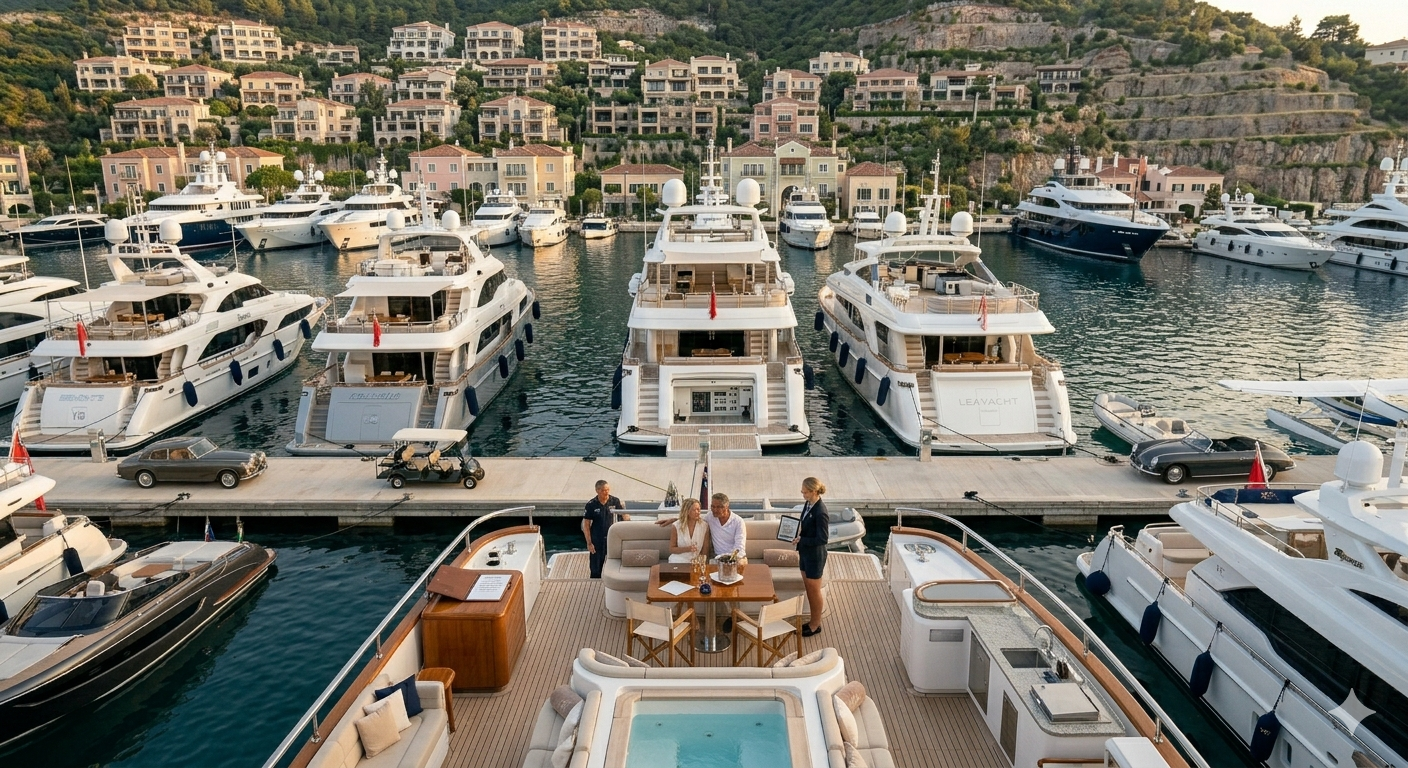
The sun shone brilliantly on the azure waters of the Mediterranean as Emma and her family embarked on a two-week sailing adventure aboard a luxurious 60-foot yacht. Yet, unlike years past, this voyage didn’t start with the stress of yearly maintenance checks or the anxiety of looming docking fees. Instead, she felt a newfound sense of freedom, knowing that this splendid yacht was a shared asset, part of a fractional ownership model that had revolutionized how savvy maritime enthusiasts like herself enjoyed the seas.
In the world of yachting, the winds of change have ushered in an era where the luxury of ownership is no longer bound to exclusivity. The rise of fractional ownership in the yacht industry represents a paradigm shift that addresses the modern consumer's desire for luxury without the hefty price tag and the constant upkeep that traditionally accompanies yacht ownership.
The Allure of Fractional Ownership
Fractional ownership isn’t a novel concept—it has long been a staple in the real estate and aviation industries. However, its burgeoning popularity in the yacht sector is a testament to its ability to democratize luxury. A fractional ownership model allows multiple investors to share ownership of a yacht, splitting costs not only for the purchase but also for ongoing expenses like maintenance, crew salaries, and docking fees. This model offers a practical solution for those who wish to indulge in the joys of yachting without shouldering the full burden of solo ownership.
The benefits are immediately tangible. By sharing costs, owners can invest in a larger, more luxurious yacht than they might otherwise afford on their own. Additionally, fractional ownership often includes a rotational usage schedule, ensuring that each owner enjoys prime sailing periods throughout the year. For many, it's the perfect balance of luxury and practicality.
Market Dynamics and Growth Trends
The fractional yacht ownership market is experiencing remarkable growth. As of 2026, industry reports suggest that fractional ownership has expanded at an annual rate of nearly 20%, outpacing traditional ownership models. This surge is fueled by a new generation of wealth holders who value experiences over possessions, seeking the allure of the open sea without the strings of full ownership.
Key players in this market include companies like YachtLife and SeaNet, which have pioneered accessible and attractive fractional ownership programs. These companies handle all logistical aspects, from scheduling usage to maintaining the yacht, allowing owners to focus solely on enjoying their time on the water. The model is particularly appealing to younger, tech-savvy investors looking for flexible and hassle-free luxury experiences.
Comparing with Traditional Ownership
Traditional yacht ownership, with its promise of full control and personalization, remains a coveted dream for many. However, it comes with its set of challenges—high costs, extensive time commitments, and significant environmental impact. Fractional ownership alleviates these burdens by distributing them among several owners, thus offering a more sustainable approach to luxury yachting.
For example, a traditional yacht owner might spend upwards of $500,000 annually on upkeep alone. In contrast, those participating in fractional ownership might see their costs reduced by 70% or more. This economic efficiency is a significant driver behind the shift towards fractional models, particularly as economic considerations become more pressing globally.
Success Stories and Industry Leaders
Several companies have successfully capitalized on the shift towards fractional yacht ownership, setting benchmarks for others to follow. YachtLife, known for its sleek digital interface, allows prospective owners to explore options and manage their shares with ease, all from a smartphone app. Similarly, SeaNet focuses on the high-end market, offering shares in ultra-luxurious yachts with top-tier amenities, catering to the discerning tastes of its clientele.
These companies have not only provided a platform for ownership but also created vibrant communities of like-minded enthusiasts who share a passion for the sea. This community aspect adds an invaluable layer to the ownership experience, fostering connections and shared memories among co-owners.
The Future of Fractional Ownership in Yachting
Looking ahead, the future of fractional yacht ownership appears promising. As environmental concerns and financial prudence continue to shape consumer behavior, the appeal of sharing luxury assets is likely to grow. The industry is expected to innovate further, introducing more eco-friendly vessels and advanced technological solutions to enhance the ownership experience.
As we sail further into the 21st century, fractional ownership will likely become a staple in the luxury yachting market, aligning with broader trends towards sustainable and shared luxury. For those dreaming of salt-kissed adventures without the weight of full ownership, the horizon is bright.
Frequently Asked Questions
What is fractional yacht ownership?
Fractional yacht ownership is a model where multiple investors share the ownership of a yacht, splitting the costs of purchase, maintenance, and operation among them.
How does fractional ownership differ from traditional yacht ownership?
Traditional ownership involves full ownership and responsibility, while fractional ownership shares these aspects among several owners, reducing individual costs and commitments.
What are the benefits of fractional yacht ownership?
Benefits include reduced costs, less maintenance responsibility, access to larger yachts, and flexible usage schedules.
Conclusion
As Emma relaxed on the deck, contemplating the waves and distant horizon, she realized that fractional ownership had given her more than a mere slice of luxury—it had opened a door to a lifestyle once limited to a privileged few. In 2026, as fractional ownership models continue to redefine the yachting industry, they offer a glimpse into a future where luxury is shared, sustainable, and accessible, setting sail towards new possibilities.