Navigating the New Luxury: Ownership Trends in Yachting for 2026
Navigating the New Luxury: Ownership Trends in Yachting for 2026
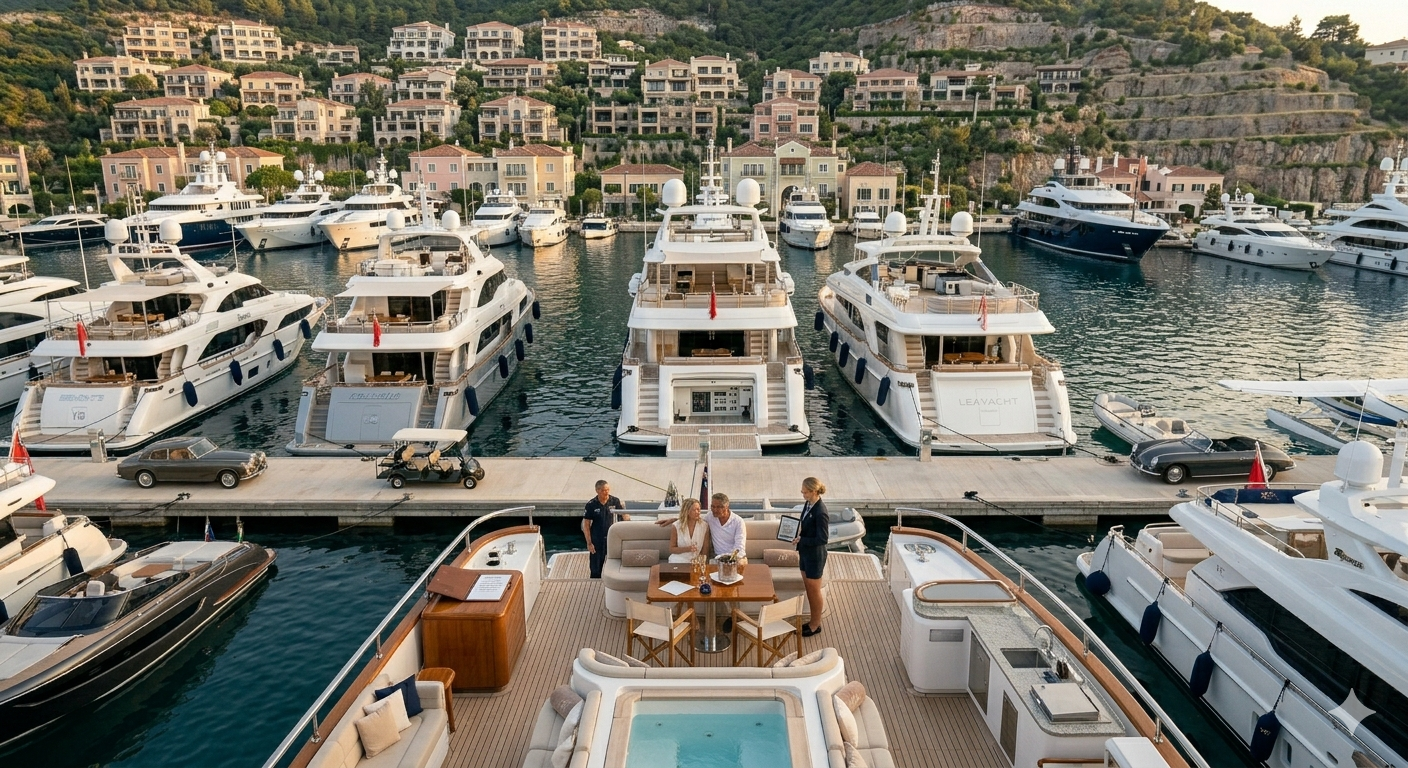
On the sun-drenched deck of a sleek 90-foot yacht, a group of friends clink glasses as the vessel cuts through the azure waters of the Mediterranean. Above them, the sails catch the wind just as they might have a century ago, yet below deck lies a world of futuristic technology. This image captures the essence of yachting in 2026, where the romance of the sea is increasingly intertwined with cutting-edge innovation and shifting paradigms of ownership.
A New Wave: Fractional Ownership Models
Just a few years ago, the notion of sharing a yacht with strangers might have seemed unthinkable to the luxury connoisseur. However, as the yachting industry sails into 2026, fractional ownership has emerged as a compelling trend. This model allows a new generation of buyers to experience the joys of yacht ownership without the hefty price tag and logistical burdens.
According to a recent report from Superyachts.com, the market for fractional ownership has grown exponentially, driven by younger, more tech-savvy buyers who value experiences over possessions. For many, owning a fraction of a yacht provides the perfect balance—they enjoy the prestige and pleasure of yachting while sharing maintenance costs and responsibilities. A Manhattan-based investment banker, for instance, splits her yacht time between the Caribbean and the Mediterranean, joining other partial owners in a model that mirrors timeshares and appeals to those balancing busy professional lives with luxury leisure pursuits.
Sustainability at Sea
In 2026, sustainability is more than a buzzword—it is a cornerstone of purchasing decisions across industries, and yachting is no exception. Yachts are now being designed with eco-friendly materials and technology that minimize environmental impact. From hybrid propulsion systems to solar panels, the industry is innovating rapidly to meet the demands of an environmentally conscious clientele.
The push for greener solutions is not merely about compliance—it's about appeal. Yacht designers and builders are responding to a market that increasingly values sustainability as a luxury in itself. According to Dream Yacht Sales, as buyers become more aware of their carbon footprints, they are opting for vessels that prioritize sustainable practices. This trend is shaping not only how yachts are built but also how they are marketed, with eco-friendly credentials becoming a key selling point.
Smart Yachts: The Role of Technology
As our lives become increasingly connected, so do our luxuries. The technological innovations transforming homes and cars are making their way into yachts, turning them into "smart" vessels. Advanced navigation systems, automated maintenance alerts, and integrated entertainment platforms redefine the onboard experience, making yacht ownership more seamless and enjoyable.
These enhancements are particularly appealing to younger buyers accustomed to a digital-first lifestyle. By integrating smart technologies, yacht manufacturers are not only enhancing comfort and convenience but also improving safety and efficiency. The ability to control climate, lighting, and security systems from a smartphone has become a standard expectation, reflecting broader lifestyle trends and the increasing importance of connectivity.
The New Demographics of Yacht Ownership
The face of yacht ownership is changing, with younger generations stepping into the market. Millennials and Gen Z, characterized by a preference for experiences over material goods, are becoming significant players in the yachting world. They bring with them a set of values that prioritize flexibility, sustainability, and technology.
This demographic shift is prompting the industry to adapt its offerings. Yacht builders and brokers are tailoring their services to meet the preferences of these younger buyers, who are often more interested in adventure and unique experiences than traditional luxury. This change is reflected in the growing popularity of expedition yachts designed for exploration and adventure rather than leisurely cruises.
Market Projections and the Future of Yacht Ownership
Looking ahead to 2031, the yacht market is expected to continue evolving. Market analysts anticipate a steady increase in yacht sales, particularly in the fractional ownership segment, which offers a more accessible entry point for potential buyers. The integration of technology and sustainable practices will likely become standard features, no longer reserved for only the most avant-garde vessels.
As the industry adapts to these shifts, it remains a dynamic playground for innovation and luxury. For industry professionals and potential buyers, understanding these trends is crucial for navigating the waters of modern yacht ownership successfully.
Frequently Asked Questions
What is fractional yacht ownership?
Fractional yacht ownership involves multiple individuals co-owning a yacht, sharing the costs and usage according to pre-arranged schedules, similar to a timeshare.
How is sustainability influencing yacht design?
Sustainability is driving the use of eco-friendly materials and propulsion systems, with many yachts incorporating hybrid engines and solar panels to reduce environmental impact.
What technology trends are impacting yachts in 2026?
Smart technologies, including advanced navigation systems, automated maintenance alerts, and integrated entertainment platforms, are significantly enhancing the modern yachting experience.
Conclusion
The yachting industry in 2026 stands at a crossroads of tradition and innovation. Whether it's through shared ownership models or sustainable technologies, the market is adapting to meet the needs of a new generation. As we look toward the horizon, the promise of a more inclusive, environmentally conscious, and technologically advanced yachting world beckons. For those poised to navigate this evolving landscape, the journey promises not only luxury but also a deeply connected and meaningful experience.