The New Wave of Yacht Ownership: Trends and Insights for 2026
The New Wave of Yacht Ownership: Trends and Insights for 2026
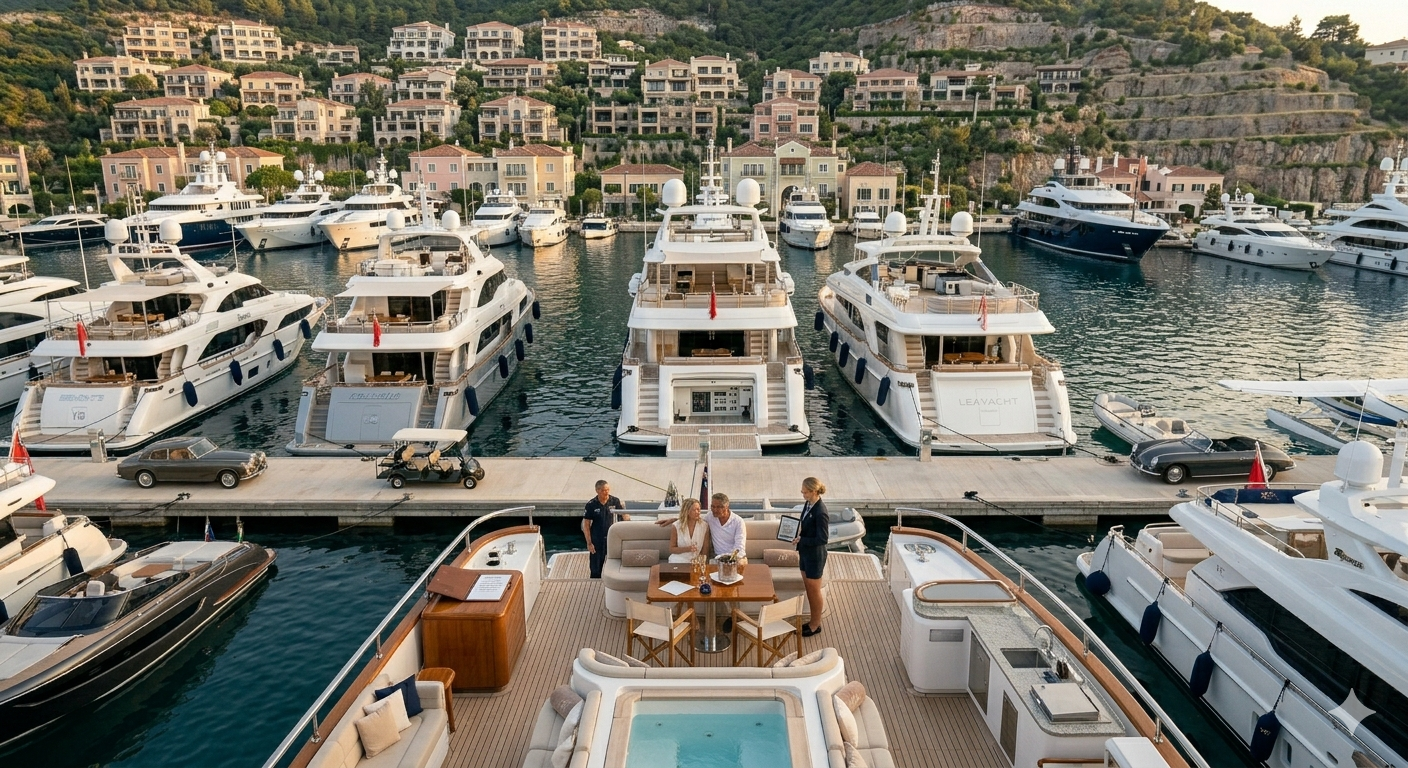
In the early mornings on the Côte d'Azur, the glistening sun paints a postcard-perfect scene as a fleet of yachts gently rocks in the marina. Among these floating palaces, a new generation is quietly captaining a sea change in the world of yacht ownership. Unlike the stereotypical image of elderly billionaires leisurely cruising the Mediterranean, today’s yacht owners are increasingly younger, tech-savvy, and driven by a different set of motivations. They are reshaping the landscape of maritime luxury in 2026, bringing fresh trends and innovations that echo through every port.
Take Emma, a 34-year-old tech entrepreneur from San Francisco, who found herself drawn to yachting not out of sheer opulence, but because of the unique blend of adventure, technology, and sustainability it offers. Her story is emblematic of a broader shift — one where yachts are no longer just static symbols of wealth but dynamic platforms for a new kind of exploration and expression.
Youthful Energies Steering the Helm
The demographic tide in yacht ownership is changing. Recent data from industry reports highlight a significant uptick in younger individuals investing in yachts. This shift is influenced by the increasing number of successful young professionals who view yachts not just as luxuries, but as extensions of their lifestyle and personal values.
Younger owners like Emma gravitate towards yachts that are versatile and technologically advanced. The traditional allure of a yacht, characterized by size and extravagance, is being complemented, if not replaced, by a desire for innovation and sustainability. These owners demand smart systems that integrate seamlessly with their digital lives — think voice-activated controls, AI-driven navigation aids, and eco-friendly propulsion systems that align with a global push towards environmental responsibility.
The Technological Transformation of Yachts
Technology is the true captain of this evolving yacht market. Innovations once reserved for science fiction are now standard features. Smart yacht systems allow owners to monitor and control vessel operations remotely, enhancing both convenience and security. Imagine being able to adjust the lighting and temperature or even start up the onboard entertainment system before you step aboard.
Sustainability has also become a crucial factor. Many new vessels boast hybrid engines, solar panels, and eco-efficient designs that minimize the carbon footprint without sacrificing luxury or performance. These green technologies are not only a nod to environmental stewardship but are also increasingly demanded by a younger, more conscientious clientele.
Fractional Ownership: A New Model for a New Era
For those who might find full ownership daunting, both financially and logistically, fractional ownership offers an enticing alternative. This model allows multiple owners to share the costs and responsibilities of yacht ownership, significantly lowering the barrier to entry.
Fractional ownership speaks to a broader cultural shift towards shared economies. By providing access without the full weight of ownership, it appeals to a generation accustomed to subscription models and shared services. Emma, who initially hesitated at the thought of managing a yacht full-time, found this model offered the flexibility she desired while still granting her the luxury of maritime adventure.
Financial Considerations of Owning a Yacht in 2026
Despite these appealing trends, the financial aspects of yacht ownership remain complex. The initial purchase is just the tip of the iceberg. Maintenance, crew salaries, docking fees, and fuel costs present ongoing financial commitments that can surprise the unprepared.
However, financing options have evolved alongside the market. More flexible loan structures and financial products are now available, making it easier for younger buyers to navigate the financial seas. Potential owners should work closely with financial advisors who specialize in maritime assets to ensure they fully understand the long-term financial implications of their investment.
Destinations Driving Ownership Decisions
Emerging destinations are also influencing yacht ownership. The social media-fueled fascination with pristine, less-traveled locales has driven yacht owners to explore beyond traditional hotspots. From the secluded coves of the Croatian Adriatic to the iceberg-dotted waters of Greenland, these new frontiers offer unique experiences that are appealing to adventurous souls like Emma.
As these destinations gain popularity, they also become more accessible, with improved marina facilities and local services catering to international yachting needs. This accessibility makes the idea of owning a yacht more attractive, offering the promise of exploration and discovery.
Frequently Asked Questions
What age group is most likely to buy a yacht in 2026?
Recent trends show that younger professionals in their 30s to 40s are increasingly entering the yacht market, driven by technological interest and lifestyle aspirations.
How has technology impacted yacht ownership?
Technology has revolutionized yacht ownership with smart systems, AI-driven navigation, and sustainable designs, making yachts more efficient and user-friendly.
What is fractional ownership?
Fractional ownership allows multiple individuals to share ownership of a yacht, reducing costs and management responsibilities, appealing to those seeking flexibility.
Sailing into the Future
As the sun sets over the azure waters, the silhouette of yachts against the horizon stands as a testament to the evolving nature of luxury maritime travel. In 2026, yacht ownership is not just about owning a vessel — it is about being part of a transformative experience driven by innovation, sustainability, and a renewed sense of possibility. For new and seasoned owners alike, the future promises uncharted waters filled with opportunities for exploration and discovery. Embracing these changes can lead to a more rewarding and fulfilling voyage on the high seas.