The Next Wave of Yacht Technology: Innovations to Watch in 2026
The Next Wave of Yacht Technology: Innovations to Watch in 2026
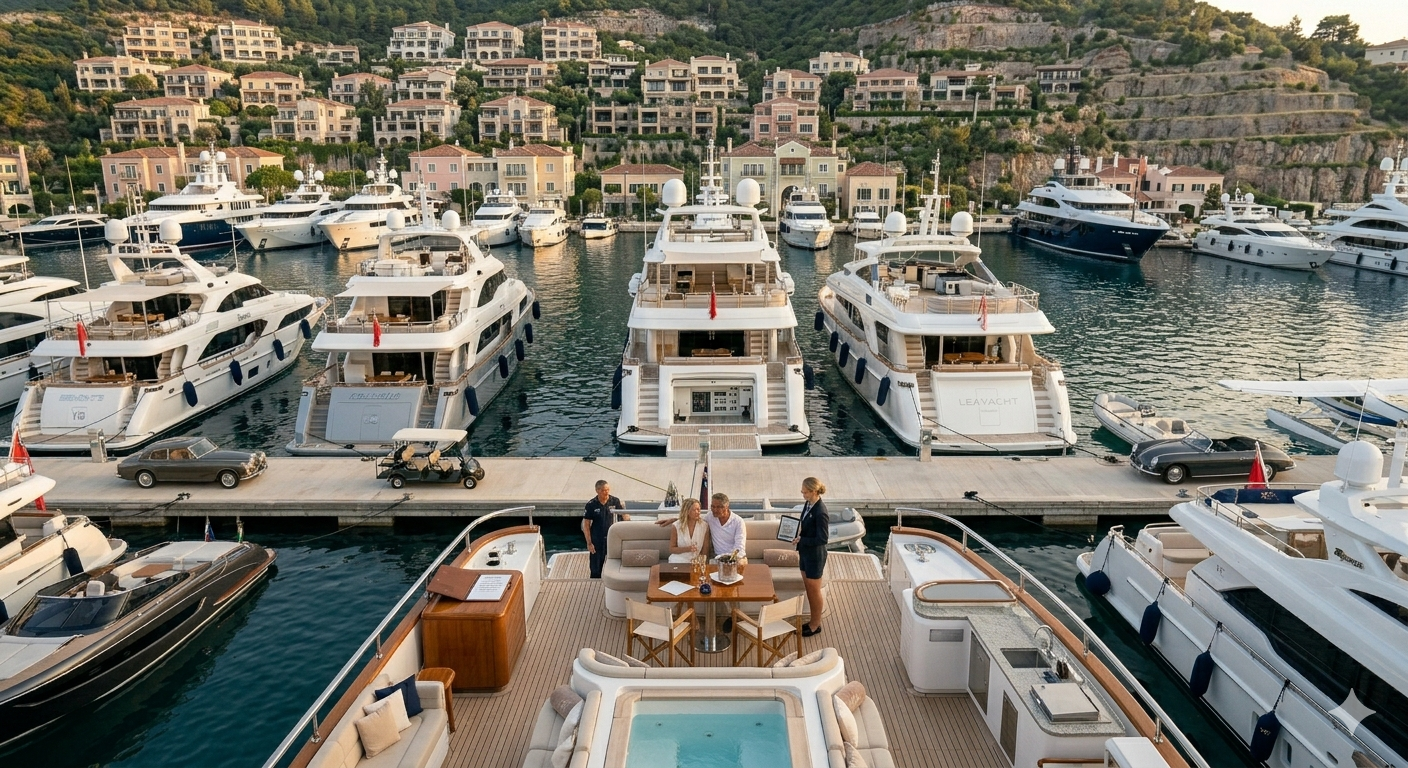
On a crisp, sunlit morning off the coast of Monaco, the harbor buzzed with an unmistakable energy. The annual yacht show was in full swing, and the docks were alive with enthusiastic chatter about the future. This year, the talk of the town wasn't just about opulence or the latest design trends. Instead, a subtle hum of excitement centered around the invisible forces shaping the yachting world: the cutting-edge technologies that promise to redefine luxury at sea.
In 2026, yachting is undergoing a transformation akin to the technological revolutions seen in other transport sectors. The focal points? Hybrid propulsion, smart connectivity, and sustainable design innovations. These aren't just buzzwords filtered through glossy brochures; they represent tangible shifts with real-world implications for yacht owners, charterers, and the environment alike.
Hybrid Propulsion: The New Standard
The move towards hybrid propulsion systems is perhaps the most dramatic shift in yacht technology today. No longer the reserve of only the most eco-conscious enthusiasts, hybrid and electric systems are becoming mainstream. These engines blend traditional diesel power with electric motors, promising quieter journeys, lower emissions, and enhanced fuel efficiency.
Imagine gliding through the crystal waters of the Mediterranean with barely a whisper from beneath the deck. Hybrid propulsion allows for this serene experience, offering a harmonious blend of power and sustainability. Yacht owners who have embraced this technology report not only the joys of a quieter ride but also reduced operational costs and a smaller carbon footprint.
One captivating example is the introduction of the Silent-Yachts series, which leverages solar panels to power its hybrid engines. The result is a yacht that not only minimizes its environmental impact but also offers an extended range without the need for constant refueling.
Smart Connectivity: The Rise of Intelligent Yachts
Smart technologies—once the domain of futuristic sci-fi—are swiftly becoming integral to yachting. The integration of Artificial Intelligence (AI) and the Internet of Things (IoT) is turning vessels into intelligent entities capable of self-diagnosing issues, optimizing routes, and even anticipating owner preferences.
Consider the experience of a seasoned captain aboard a smart yacht. As the yacht navigates the complex channels of the Caribbean, an AI system continuously analyzes environmental data, adjusting the vessel's course to avoid unforeseen weather patterns or crowded routes. Meanwhile, IoT-connected devices monitor engine performance, alerting the crew to potential maintenance needs before they become costly repairs.
This level of connectivity not only enhances safety and efficiency but also elevates the onboard experience. Owners can control every aspect of their yacht, from lighting to climate control, through a simple app interface, making every voyage as comfortable and personalized as possible.
Sustainable Design: A Commitment to the Future
As the world becomes increasingly environmentally conscious, the luxury market, too, is heeding the call for sustainability. Yacht designers and builders are at the forefront of this movement, incorporating eco-friendly materials and practices into their creations.
The recently unveiled 'Green Yachting' initiative by several leading shipyards exemplifies this shift. These new designs use recycled materials, low-impact construction methods, and sustainable fuel alternatives to dramatically reduce environmental impact. For instance, the use of advanced composites and alternative woods offers the same aesthetic appeal and durability as traditional materials but with a fraction of the ecological footprint.
The Impact on Ownership and Chartering
These technological advancements are reshaping not just the yachts themselves but also the business of owning and operating them. Prospective yacht owners are now considering factors such as energy efficiency and connectivity as crucial components of their purchasing decisions. Similarly, charter companies are increasingly marketing tech-savvy, eco-friendly vessels to attract modern clients who value both luxury and responsibility.
This evolution mirrors a broader trend in luxury markets where experiential and responsible consumption is becoming key. As technology continues to develop, we can anticipate even more innovative designs that push the boundaries of what's possible at sea.
Frequently Asked Questions
How do hybrid propulsion systems benefit yacht owners?
Hybrid systems offer quieter operation, enhanced fuel efficiency, and lower emissions, providing both cost savings and a reduced environmental footprint.
What role does AI play in yacht navigation?
AI assists in optimizing routes, anticipating weather changes, and performing self-diagnostics, thus enhancing safety and operational efficiency.
How are yachts becoming more sustainable?
Yachts are increasingly using eco-friendly materials, sustainable fuels, and low-impact construction methods to reduce their environmental impact.
Conclusion
As the sun sets over the opulent vessels anchored in Monaco, it becomes clear: the future of yachting is as much about innovation as it is about luxury. The technologies being embraced today are not just transforming yachts into smarter and more sustainable vessels; they are reshaping the industry itself. For those who dream of the perfect maritime adventure, the horizon has never looked more promising. As these innovations continue to evolve, they invite us to reimagine what it means to explore the seas with both style and conscience.