Redefining Luxury: The Shift in Yacht Ownership Models for 2026
Redefining Luxury: The Shift in Yacht Ownership Models for 2026
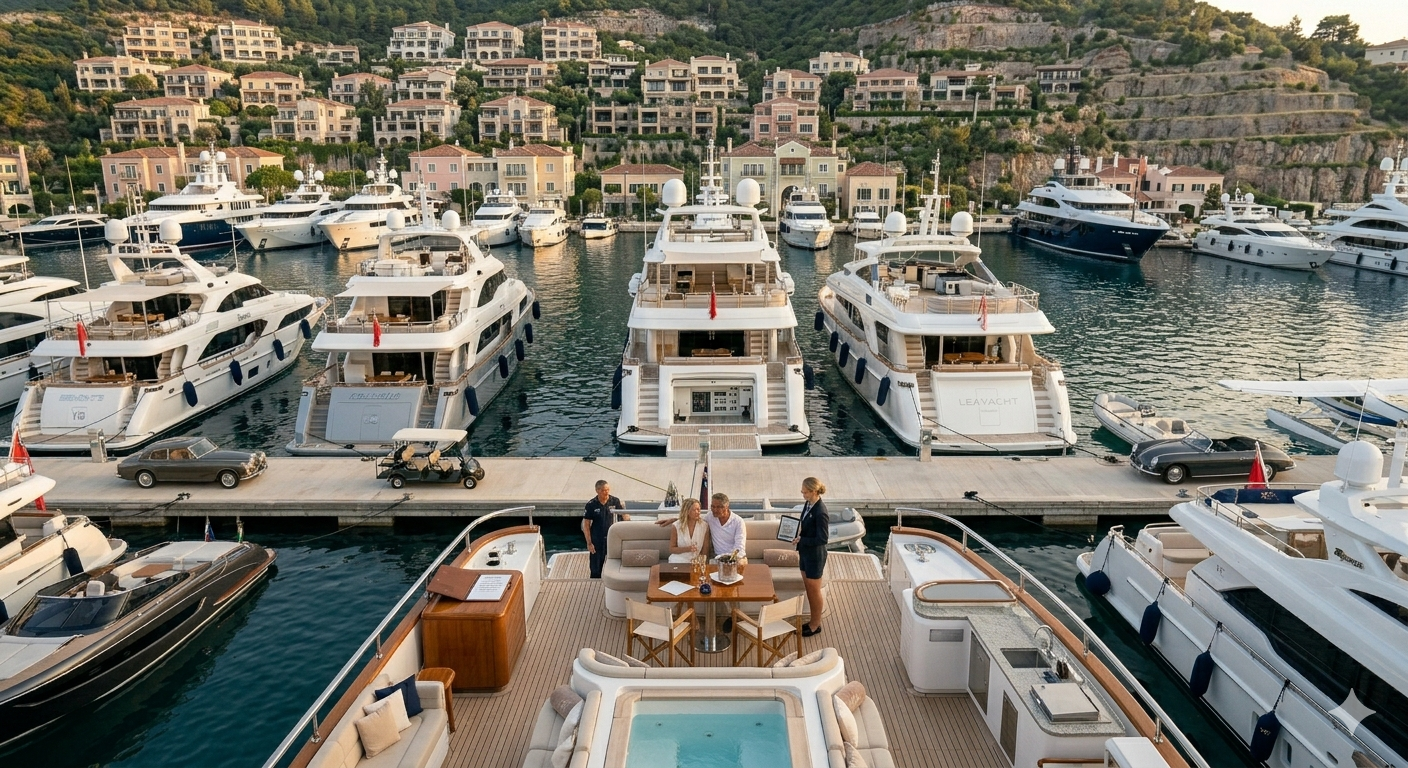
Imagine standing on the sunlit deck of a superyacht gliding through the azure waters of the Mediterranean. A gentle breeze carries the scent of the sea, while around you, family and friends bask in the opulence of modern maritime luxury. This isn’t merely a vacation; it’s an evolving lifestyle grounded in a new reality of yacht ownership. In 2026, the glittering world of luxury yachting is undergoing a profound transformation, spurred by emerging ownership models and an increasing emphasis on sustainability.
Yacht ownership, once the exclusive domain of the world's wealthiest, is now more accessible yet nuanced. The traditional image of a single owner maintaining a private fleet is giving way to more innovative arrangements. But why is this happening now, and what does it mean for the future of yachting?
Ownership Trends: The New Normal
The yachting industry in 2026 paints a picture of diversity and inclusivity. Traditional full ownership still appeals to those who relish the ultimate expression of luxury. However, the tides are changing. High-net-worth individuals are increasingly leaning towards fractional and shared ownership models as practical and flexible alternatives. These arrangements not only spread the cost of ownership but also alleviate the burden of maintenance, staffing, and other operational headaches.
Fractional ownership allows multiple stakeholders to share in the delight of having a yacht, often through structured agreements or syndicates. This trend sees families from different parts of the globe uniting under a common banner of shared luxury. The Guernsey Finance article highlights how international families are leveraging these models, ensuring that they can enjoy bespoke vacations without the year-round financial commitment of sole ownership.
Fractional Ownership: A Growing Phenomenon
For many, the allure of fractional ownership lies in its flexibility. These arrangements typically involve dividing the yacht's time among shareholders, allowing each to enjoy an allocated portion of the year aboard. This model is thriving in a world where the global elite increasingly value experiences over material goods. The shared ownership model is not merely a financial decision; it's a lifestyle choice that reflects broader societal shifts toward sustainability and community.
A recent review in Yachtbuyer reflects how today’s owners personalize their yachts with bespoke features and eco-friendly technologies. These shared models make such customizations more feasible, as costs are distributed among several parties, enhancing accessibility.
The Sustainability Imperative
In 2026, sustainability is no longer a buzzword; it's a central tenet of purchasing decisions across the luxury sector. The yachting industry is no exception. Potential owners are increasingly conscious of the environmental impact of their vessels. This has led to a surge in demand for eco-friendly designs and technologies, such as hybrid engines and solar panels.
The Day of Dubai article notes that today's yacht owners are shifting towards more sustainable practices, reflecting a broader move within the luxury market. The integration of greener technologies aligns with the values of a new generation of yacht enthusiasts who prioritize environmental stewardship alongside luxury.
Navigating Economic Currents
The economics of yachting in 2026 cannot be ignored. While the global economy faces ongoing challenges, the luxury yachting market remains resilient, buoyed by an appetite for assets that offer both status and escapism. Economic factors such as fluctuating currencies and changing tax regulations are influencing ownership decisions, driving some to explore more cost-efficient models like chartering or fractional ownership.
Chartering offers a compelling alternative, particularly in volatile economic climates. It enables enthusiasts to enjoy the yachting lifestyle without the long-term financial obligations, providing a versatile and economically sound option for those wary of permanent ownership during uncertain times.
The Future of Yacht Ownership
Looking ahead, the yacht industry will likely continue to evolve, with new models and technologies reshaping what it means to be a yacht owner. The focus on sustainability will grow stronger, with more innovative solutions emerging to meet the environmental challenges of the seas.
Moreover, the narrative of luxury is shifting. It’s not just about ownership; it's about shared experiences, flexibility, and a commitment to the planet. The rise of fractional and shared ownership reflects broader societal shifts toward collaboration and community, setting the stage for a redefined era of luxury that aligns with the aspirations of modern yacht enthusiasts.
Frequently Asked Questions
What is fractional yacht ownership?
Fractional yacht ownership allows multiple parties to share ownership of a yacht, dividing the costs and time spent aboard among them.
How is sustainability impacting yacht design?
Sustainability considerations are leading to designs that include eco-friendly technologies like hybrid engines and solar panels, reducing environmental impact.
Why are more people choosing shared ownership?
Shared ownership models are appealing because they reduce the financial burden of full ownership while offering greater flexibility and access to luxury experiences.
Conclusion
As we sail into the future, yacht ownership is being redefined by trends that emphasize shared luxury, sustainability, and economic pragmatism. These shifts are crafting a new narrative in the world of yachting, one that values community, environmental responsibility, and the freedom to experience life at sea without the traditional constraints of ownership. For those considering diving into the luxury yacht market, there has never been a more exciting time to explore these evolving models and redefine what it means to own a piece of maritime paradise.