Revolutionizing Marina Development: Key Trends and Innovations for 2026
Revolutionizing Marina Development: Key Trends and Innovations for 2026
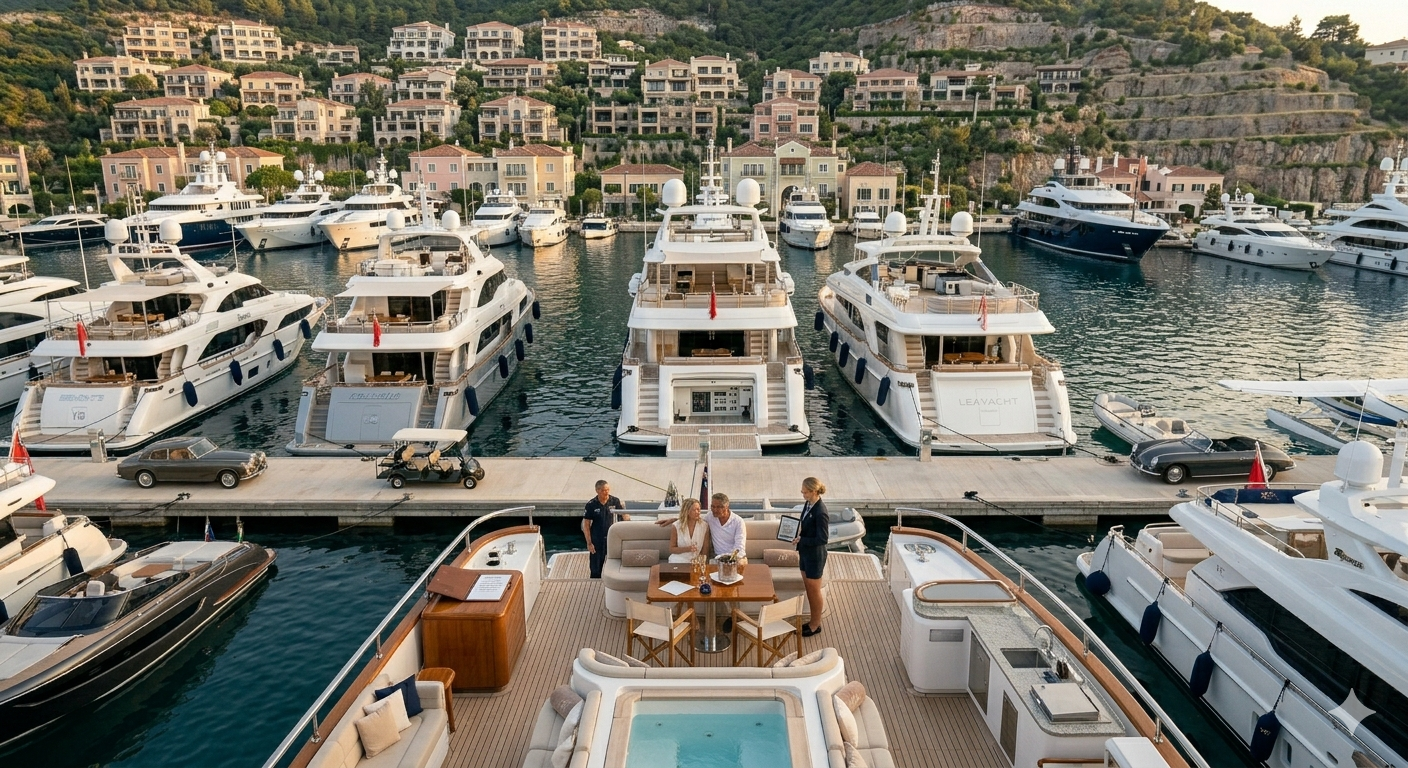
In the early hours of a crisp July morning, the marina at Portofino gleamed under the gentle light of the rising sun. A symphony of gentle waves lapped against the hulls of docked yachts, while the hum of activity began to stir along the waterfront. As the world of yachting sails into 2026, such scenes are being transformed by significant innovations in marina development, shaping not only the experience of boaters but also the operations of the industry as a whole.
Marina development today is no longer just about providing docking spaces. It is about creating an integrated experience that meets the evolving needs of yacht owners and operators. With a projected growth that continues to attract substantial investment, marinas have become critical hubs of innovation, focused on sustainability, technological advancement, and efficient design. This evolution is not only reshaping physical spaces but also influencing the broader yacht industry dynamics.
A Snapshot of the Marina Market in 2026
Looking at the current data, the marina market is thriving. According to industry forecasts, investment in marina development is expected to rise by 5% annually, driven by increased yacht ownership and a burgeoning charter market. The demand for premium marina services, particularly in high-tourism areas like the Mediterranean and Caribbean, has led many developers to rethink traditional marina infrastructure.
Marinas are now envisioned as luxury destinations themselves, offering a suite of high-end amenities and experiences beyond mere mooring. From exquisite dining to personalized concierge services, the aim is to cater to a clientele that seeks more than just a port of call. This shift in market dynamics is not just about lavishness; it’s a strategic move to enhance the appeal of yachting as a holistic lifestyle choice.
Innovative Designs and Layouts
In response to these market trends, marina design is undergoing a radical transformation. One notable example is the introduction of floating docks, which offer greater flexibility in design and can better withstand environmental challenges such as rising sea levels and storm surges. This innovation is particularly popular in regions prone to climate disruptions, providing a resilient alternative to traditional fixed structures.
Furthermore, modular marina layouts are gaining traction for their scalability and efficiency. Developers in the South Pacific, for example, have started implementing modular systems to accommodate seasonally fluctuating demands. This adaptability not only optimizes space and enhances operational efficiency but also reduces long-term environmental impacts by minimizing construction disturbances in sensitive marine areas.
Technological Advancements Enhancing Marina Management
Technology's role in marina management has become indispensable. Smart systems are now the backbone of operational efficiency, offering real-time data on dock availability, water conditions, and resource usage. One such innovation is the integration of IoT-enabled sensors that provide instant updates to both marina operators and yacht owners regarding berth status, enabling seamless docking experiences.
Moreover, marina apps are becoming ubiquitous, allowing boaters to book slips, order services, and navigate amenities all from their smartphones. These digital tools are not just conveniences; they represent a shift towards a data-driven approach to marina operations, where analytics can inform everything from staffing needs to maintenance schedules, optimizing every aspect of the marina's operation.
Embracing Sustainability
As the world becomes increasingly aware of environmental impacts, marinas are pivoting towards sustainable practices. Initiatives such as eco-friendly building materials, solar-powered facilities, and waste management systems are becoming standard in new developments. For instance, the San Francisco Marina has recently introduced a zero-emission policy for all its on-site transportation, setting a benchmark for sustainability in marina operations.
Water quality management is another critical focus, with state-of-the-art filtration systems being installed to prevent contamination from marine fuel and other pollutants. These initiatives not only protect the local marine ecosystems but also appeal to an environmentally conscious clientele, who prioritize sustainability in their leisure choices.
The Future of Marina Investments
With these innovations, the future of marina investments looks promising. As developers and investors increasingly recognize the value of integrating advanced technology and sustainability, marinas will continue to evolve into sophisticated centers of commerce and leisure. This evolution not only enhances the experience for yacht enthusiasts but also positions marinas as pivotal players in the global yacht industry.
Up-and-coming markets in Asia and the Middle East are also set to capitalize on these trends, with visionary projects that blend cutting-edge design with local culture and natural beauty. Such initiatives are expected to further drive growth, offering new opportunities for investors and operators alike.
Frequently Asked Questions
What are the key innovations in marina development for 2026?
Key innovations include floating docks, modular layouts, smart management systems, and sustainable practices such as solar-powered facilities and zero-emission policies.
How does technology improve the marina experience?
Technology enhances marina operations by offering real-time data through IoT sensors, facilitating seamless booking via smartphone apps, and providing analytics for optimized management.
Why is sustainability important in marina development?
Sustainability minimizes environmental impact, protects marine ecosystems, and appeals to eco-conscious customers, ensuring long-term viability and aligning with global environmental goals.
Conclusion
As we navigate through 2026, the marina industry is not merely adapting to change; it is proactively steering its course towards a future that harmonizes luxury with responsibility. The integration of innovative designs, technological advancements, and sustainable practices is setting a new standard for marina developments worldwide. For yacht owners, operators, and industry professionals, this new era promises enhanced experiences and exciting opportunities, inviting us all to chart new waters in the ever-expanding maritime world.