The Rise of Digital Twins in Yacht Design and Management: A 2026 Perspective
The Rise of Digital Twins in Yacht Design and Management: A 2026 Perspective
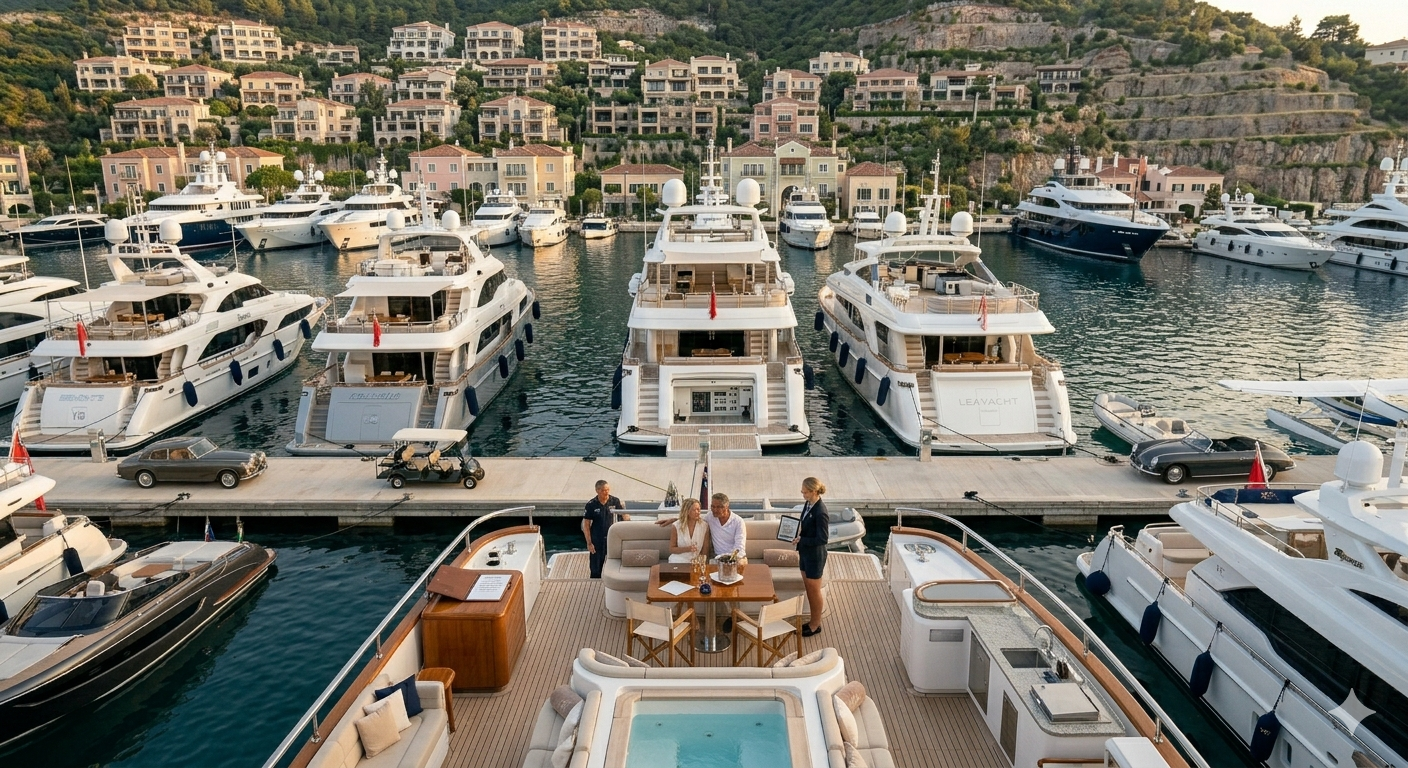
In the bustling marina of Port Hercules, Monaco, a sleek superyacht named "Aqua Mare" sets sail, seemingly like any other luxury vessel. Yet beneath its polished exterior lies a technological marvel that is setting new standards in yacht management and design—digital twins. This once futuristic concept, where a digital replica of a physical asset enables real-time data monitoring, has become a transformative force in the yachting industry. As "Aqua Mare" glides effortlessly through the azure waters, it showcases the new era where traditional maritime opulence meets cutting-edge innovation.
Digital twin technology, a staple in industries like aerospace and automotive, has found a vibrant new home in yachting. By creating a virtual mirror of a yacht, stakeholders can simulate, predict, and optimize performance without ever needing to step aboard. This not only enhances operational efficiency but also elevates the customer experience, enabling a seamless marriage of luxury and technology.
Understanding Digital Twins in Yachting
At its core, digital twin technology involves the creation of a digital replica of a physical object. In yachting, this means a precise virtual model of a yacht that updates in real-time with data collected from sensors embedded in the vessel. This digital representation can reflect everything from structural components to engine performance, offering an unparalleled view into the yacht's operations.
For example, consider the design phase of a yacht. Traditionally, designers and engineers relied on static models and historical data to predict performance. With digital twins, however, they can simulate various scenarios and see how the yacht would perform under different conditions long before the keel even touches the water. This capability not only reduces the risk of costly design errors but also allows for more innovative, efficient yacht designs.
Current Applications: A New Wave of Possibilities
The application of digital twins in yacht management extends beyond design into ongoing operations. Yacht owners and managers benefit from predictive maintenance capabilities, where the digital twin continuously monitors the yacht's systems, predicting malfunctions before they occur. This proactive approach ensures that maintenance can be scheduled at the most convenient times, minimizing downtime and reducing unexpected repair costs.
In addition, digital twins are enhancing the charter experience. Charter companies can provide prospective clients with interactive tours of a yacht's digital twin, allowing them to explore the vessel virtually. This not only improves the booking process but also sets clear expectations, enhancing customer satisfaction.
Real-World Cases: A Glimpse into the Future
Several high-profile yachts have already embraced digital twin technology, demonstrating its practical benefits. The "Eclipse," one of the world's largest and most luxurious yachts, uses its digital twin to manage everything from engine performance to onboard climate control. By simulating potential navigational routes and weather conditions, it ensures that every voyage is safe and comfortable.
Another example is the "Aviva," which employs digital twins for ongoing design improvements. By analyzing data from its digital counterpart, the yacht’s design team continually refines aspects like fuel efficiency and speed optimization, offering owners a more sustainable and cost-effective boating experience.
The Benefits: Efficiency Meets Innovation
The integration of digital twins into yachting brings numerous benefits. Operational efficiency is perhaps the most significant, as real-time data allows for immediate adjustments that optimize performance. Moreover, predictive maintenance reduces unexpected failures, prolonging the lifecycle of yacht components.
For owners, these benefits translate into peace of mind and enhanced asset value. Knowing that their yacht is operating at peak efficiency with minimized risk allows them to focus on enjoying the journey.
Future Trends: The Horizon Ahead
As we look towards the future, the role of digital twins in yachting is poised to expand even further. With advancements in AI and IoT, digital twins will become more autonomous, capable of making decisions based on predictive analytics without human intervention. This shift could lead to fully autonomous yachts, where digital twins not only manage but also navigate vessels.
Moreover, as environmental concerns take center stage, digital twins may play a crucial role in achieving sustainability goals. By optimizing routes and fuel usage, they can significantly reduce the carbon footprint of yachting, aligning luxury with responsibility.
Frequently Asked Questions
What is a digital twin in yachting?
A digital twin in yachting is a precise digital replica of a yacht that updates in real-time with data collected from the vessel, used to simulate, predict, and optimize performance.
How does digital twin technology benefit yacht owners?
Owners benefit from enhanced operational efficiency, predictive maintenance, and improved yacht design, leading to reduced costs and increased asset value.
Are digital twins currently used in yacht charters?
Yes, digital twins are used in yacht charters to provide virtual tours, improving the booking process and setting clear expectations for clients.
Conclusion
Digital twin technology is not just a wave of the future; it is the tide transforming the present landscape of yachting. As more vessels embrace this technology, the benefits of increased efficiency, predictive maintenance, and enhanced customer experience become palpable. For those invested in yachting, the digital horizon beckons with promises of innovation and sustainability. The journey, it seems, has just begun, and the possibilities are as vast as the ocean itself.