The Rise of Electric Yachts: Transforming Luxury Maritime Travel in 2026
The Rise of Electric Yachts: Transforming Luxury Maritime Travel in 2026
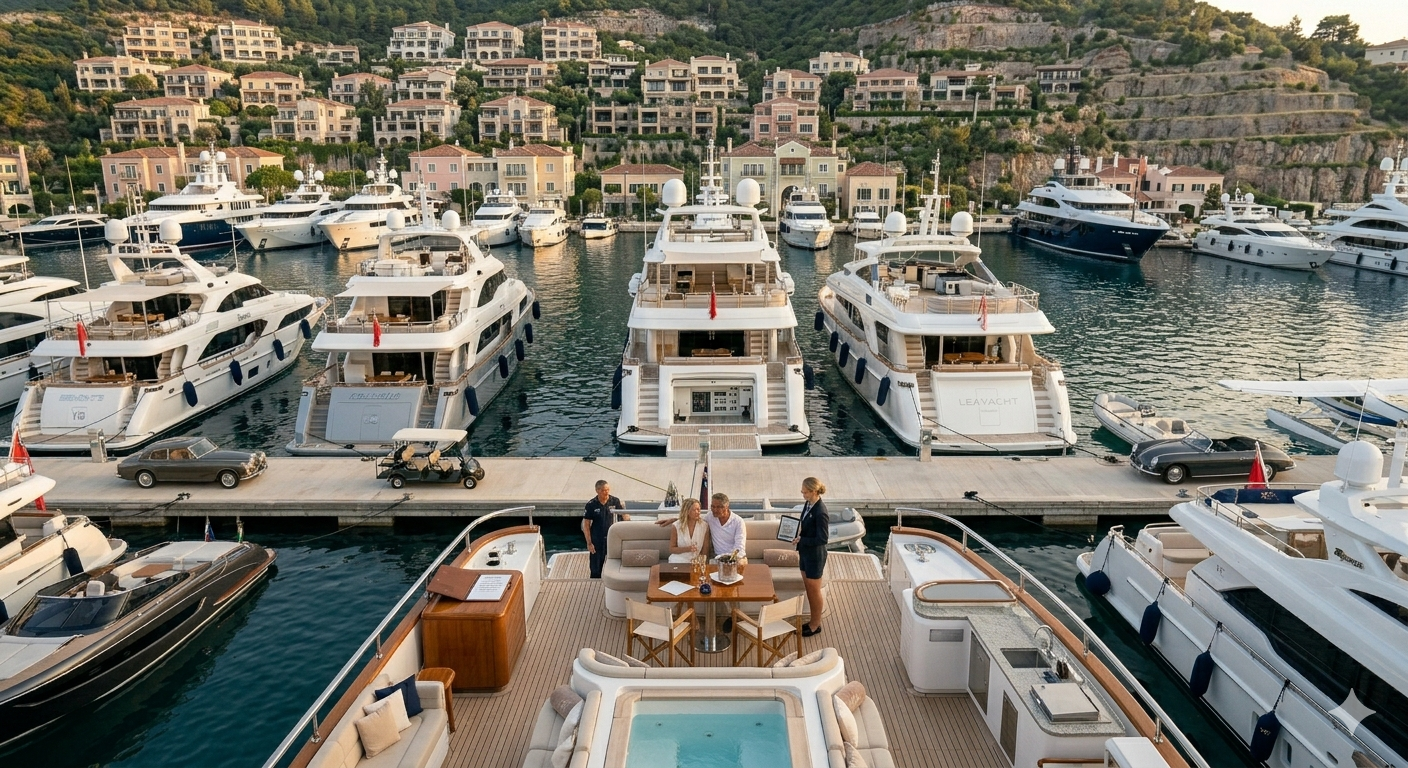
It was a perfect summer afternoon in the French Riviera when the annual Cannes Yachting Festival kicked off. As the sun glinted off the azure waters, an unexpected buzz filled the air—not just from the throngs of visitors but from the silent, sleek vessels gliding effortlessly through the marina. These were the new electric yachts, heralded as the future of luxury maritime travel. Their presence was not just a nod to technological advancement but a clear indication of a shifting tide in the yachting industry.
The move towards electric propulsion systems in yachts isn't merely a fleeting trend—it's a seismic shift that reflects broader changes in consumer preferences and industry practices. With forecasts predicting significant growth in the electric yacht market by 2026, enthusiasts and industry professionals alike are paying close attention to how these innovations are reshaping experiences on the water.
Electric yachts are redefining what luxury means in the maritime world, offering a harmonious blend of cutting-edge technology and sustainability. This article delves into the nuances of this transformation, exploring technological advancements, environmental benefits, and market trends that are setting sail towards a greener horizon.
A Market on the Rise
According to recent industry analyses, the yacht market is gearing up for a boom, with electric yachts at the forefront of this expansion. A report by Global Market Insights suggests that the electric yacht segment is expected to grow exponentially over the next decade, driven by increasing consumer demand for eco-friendly alternatives and advancements in electric propulsion technology.
These yachts are not just about cutting emissions—they are about enhancing the overall yachting experience. Quiet propulsion systems allow for a more serene journey, unblemished by the roar of traditional engines. Imagine cruising the Mediterranean, hearing nothing but the gentle lapping of waves—a dream made possible by electric innovations.
Technological Marvels in Motion
The heart of this revolution lies in the propulsion systems, where batteries and electric motors are taking precedence over traditional fuel-driven engines. The latest advancements in lithium-ion battery technology have made it feasible to power large vessels over longer distances without compromising on performance or luxury.
Manufacturers are now pushing the envelope with hybrid systems, combining solar panels with batteries to extend range and reduce the reliance on shore power. This not only makes for a more efficient vessel but also allows owners to enjoy time at sea without frequent refueling stops.
A Greener Alternative
One of the most compelling arguments for electric yachts is their environmental benefit. Traditional yachts can emit significant amounts of carbon, contributing to pollution and climate change. Electric yachts, by contrast, boast zero emissions when running on battery power, providing a cleaner alternative that appeals to environmentally conscious consumers.
These vessels also offer improved fuel efficiency, which translates to lower operational costs. In a world increasingly focused on sustainability, this makes electric yachts a highly attractive proposition for buyers looking for value as well as environmental stewardship.
Leading the Charge: Case Studies
Several manufacturers are leading the charge in this electric revolution. For instance, Silent Yachts, known for their solar-electric catamarans, continue to innovate with models that promise noiseless and emission-free cruising. Their latest offering, unveiled at the Cannes Yachting Festival, has already captured the imagination of luxury travelers worldwide.
Another noteworthy player is Sunreef Yachts, whose electric range combines luxury with cutting-edge technology, featuring impressive designs that appeal to the modern eco-conscious buyer. These companies are not just selling yachts—they are selling a vision of a sustainable future.
Shifts in Consumer Preferences
The rise of electric yachts is also reflective of a broader trend towards sustainable luxury. Today's consumers are more informed and conscientious, demanding products that align with their values. This shift is not only changing the types of yachts produced but also altering how they are marketed and sold.
Potential buyers are increasingly looking for vessels that offer both luxury and sustainability. This trend is evident in the growing number of eco-friendly options presented at boat shows and in the yacht brokerage market. Electric yachts, with their promise of a greener footprint, are perfectly poised to meet this demand.
Practical Insights for Buyers
For those considering entering the electric yacht market, there are several factors to consider. First, understand the range and charging capabilities of the yacht. While most electric yachts offer substantial range, it's crucial to know where and how quickly you can recharge.
Also, consider the type of electric system—fully electric or hybrid—and how it fits your travel plans and preferences. Hybrid systems offer more flexibility for long-distance travel, while fully electric models are ideal for shorter, quieter cruises.
Lastly, evaluate the total cost of ownership. Although electric yachts may have a higher initial purchase price, the reduced fuel costs and lower maintenance expenses often offset this over time.
Frequently Asked Questions
How long can an electric yacht travel on a single charge?
The range of an electric yacht depends on its battery capacity and speed. Most modern models can travel between 50 to 100 nautical miles on a single charge at cruising speed.
Are there enough charging stations for electric yachts?
The infrastructure for charging electric yachts is rapidly expanding, particularly in popular yachting regions such as the Mediterranean and the Caribbean, making it increasingly convenient for electric yacht owners.
Do electric yachts have any performance limitations?
Electric yachts are designed to offer comparable performance to traditional yachts, with the added benefit of quieter operation and reduced emissions. However, their range can be more limited compared to diesel-powered counterparts.
Conclusion
As the sun sets over the bustling marina at the Cannes Yachting Festival, the silhouette of an electric yacht gliding silently into the horizon serves as a potent symbol of the future of luxury maritime travel. The rise of electric yachts is not just an evolution in technology—it's a revolution in how we think about travel, luxury, and our planet.
This shift towards sustainable yachting is reshaping the industry, creating opportunities for innovation and redefining what it means to sail the seas. As consumers and manufacturers continue to embrace these changes, the horizon looks promisingly green for the world of luxury yachting.