The Rise of Hybrid Ownership Models in the Yacht Industry: Trends and Insights for 2026
The Rise of Hybrid Ownership Models in the Yacht Industry: Trends and Insights for 2026
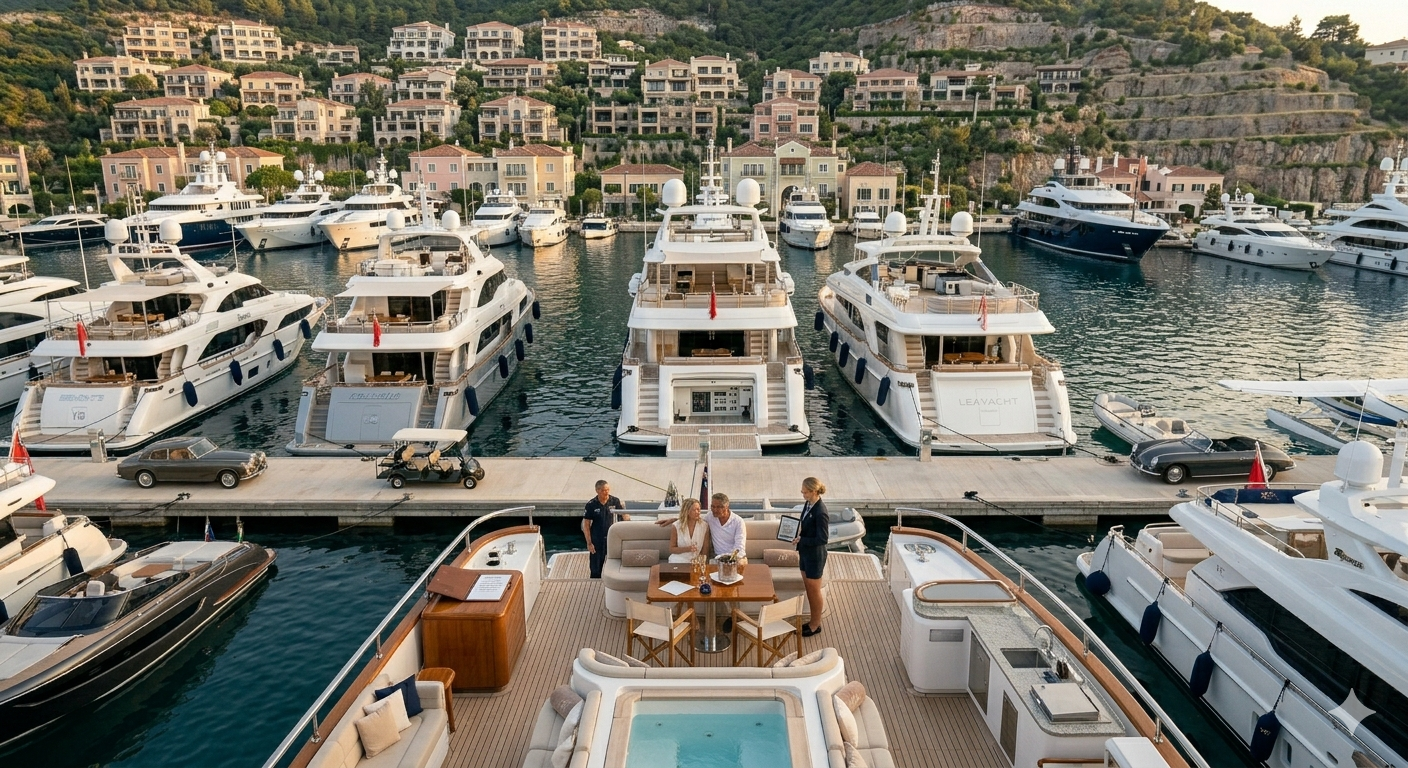
On a warm afternoon in the summer of 2026, as the sun cast a golden glow over the marina, a group of diverse individuals gathered on the deck of a sleek, modern yacht. This wasn't just any ordinary yacht cruise. Among them were seasoned yacht owners, first-time sailors looking for an unforgettable experience, and environmentally-conscious investors exploring new opportunities. The yacht, owned by a collective rather than a single entity, symbolized a transformative shift in the yachting world — the rise of hybrid ownership models.
The concept of hybrid ownership, much like the shifting tides, is reshaping expectations and redefining access within the yacht industry. Where once the notion of owning a yacht was synonymous with extravagant wealth and exclusivity, today it is increasingly being reimagined as a more inclusive and sustainable venture. At its core, hybrid ownership blends elements of traditional ownership with shared use, often facilitated through sophisticated technology platforms that manage logistics, scheduling, and maintenance. This model not only lowers the barrier to entry for potential yacht enthusiasts but also aligns with an increasing demand for sustainable practices in luxury industries.
Navigating Market Shifts
The yachting industry, much like other luxury sectors, is not immune to the winds of change. In recent years, a confluence of economic, social, and environmental factors has driven a significant shift towards hybrid ownership models. The global charter market, already a vibrant segment, has seen an infusion of new consumer segments eager to experience yachting without the full commitment of ownership. This shift is underpinned by a broader trend towards the "sharing economy," where access is prioritized over ownership.
Market analysts have observed a growing preference for experiences over assets among younger generations. Millennials and Gen Z, who are poised to become the largest demographic of luxury consumers, prefer the flexibility and variety that hybrid models offer. This trend is further accelerated by advancements in digital technology, which facilitate seamless integration and management of shared assets, making the yachting experience more accessible and efficient.
Benefits Beyond the Bow
From a practical standpoint, hybrid ownership provides numerous benefits for consumers. It allows individuals to enjoy the perks of yachting — such as travel to exotic destinations and participation in exclusive maritime events — without the substantial financial burdens of full ownership. Shared ownership significantly reduces costs related to purchase, maintenance, and staffing, making it a more feasible option for a broader audience.
Moreover, hybrid ownership models align with the increasing emphasis on sustainability within the luxury industry. By reducing the number of yachts needed to satisfy demand, the industry can lessen its environmental footprint. Hybrid yachts themselves, which often incorporate eco-friendly technologies, further underscore this commitment to sustainability. These yachts use innovative propulsion systems and energy-efficient designs, offering a greener alternative to traditional luxury vessels.
Case Studies: Success Stories on the High Seas
Numerous companies have already set sail on the hybrid ownership journey, illustrating its potential through successful implementation. One such example is the "BlueWave Collective," a consortium that connects potential yacht users with available vessels through a digital platform. This model not only maximizes the utilization of each yacht but also offers customizable experiences tailored to individual preferences.
Another pioneering example is "EcoYachts Initiative," which combines the benefits of shared ownership with a focus on sustainability. Their fleet includes hybrid yachts designed to minimize carbon emissions, offering members an opportunity to enjoy luxury sea travel while maintaining an environmentally conscious ethos.
These case studies demonstrate the potential for hybrid ownership to thrive within the yacht industry, offering a template for others to follow and innovate upon.
The Horizon Ahead
As we look towards the future, the trajectory of hybrid ownership in the yacht market seems promising. Industry experts predict that by the end of this decade, hybrid models will constitute a substantial portion of the yachting sector. The rapid advancement of digital platforms, coupled with an increasing awareness of environmental issues, will likely continue to drive this trend.
However, the journey is not without its challenges. Potential owners and investors must navigate regulatory landscapes, ensure high-quality maintenance, and foster a community-centric approach to ownership. For those who succeed, the rewards could be significant, offering a balance of luxury, sustainability, and financial prudence.
Frequently Asked Questions
What is a hybrid ownership model in the yacht industry?
A hybrid ownership model combines traditional yacht ownership with shared use, often facilitated through digital platforms that manage logistics and maintenance.
How does hybrid ownership benefit the environment?
By reducing the number of yachts required to satisfy demand and promoting the use of eco-friendly technology, hybrid ownership lowers the industry's environmental footprint.
Are hybrid ownership models financially viable?
Yes, hybrid ownership reduces the costs associated with purchasing and maintaining a yacht, making it an accessible option for a wider range of consumers.
Setting Sail into the Future
The rise of hybrid ownership models in the yacht industry is not just a fleeting trend but a reflection of broader societal shifts towards sustainability and shared experiences. As the industry continues to evolve, these models offer a bridge to a more inclusive and environmentally-friendly future. For those looking to embark on their own maritime adventures, hybrid ownership offers a compelling path forward, blending the allure of the sea with the pragmatism of modern consumer expectations.