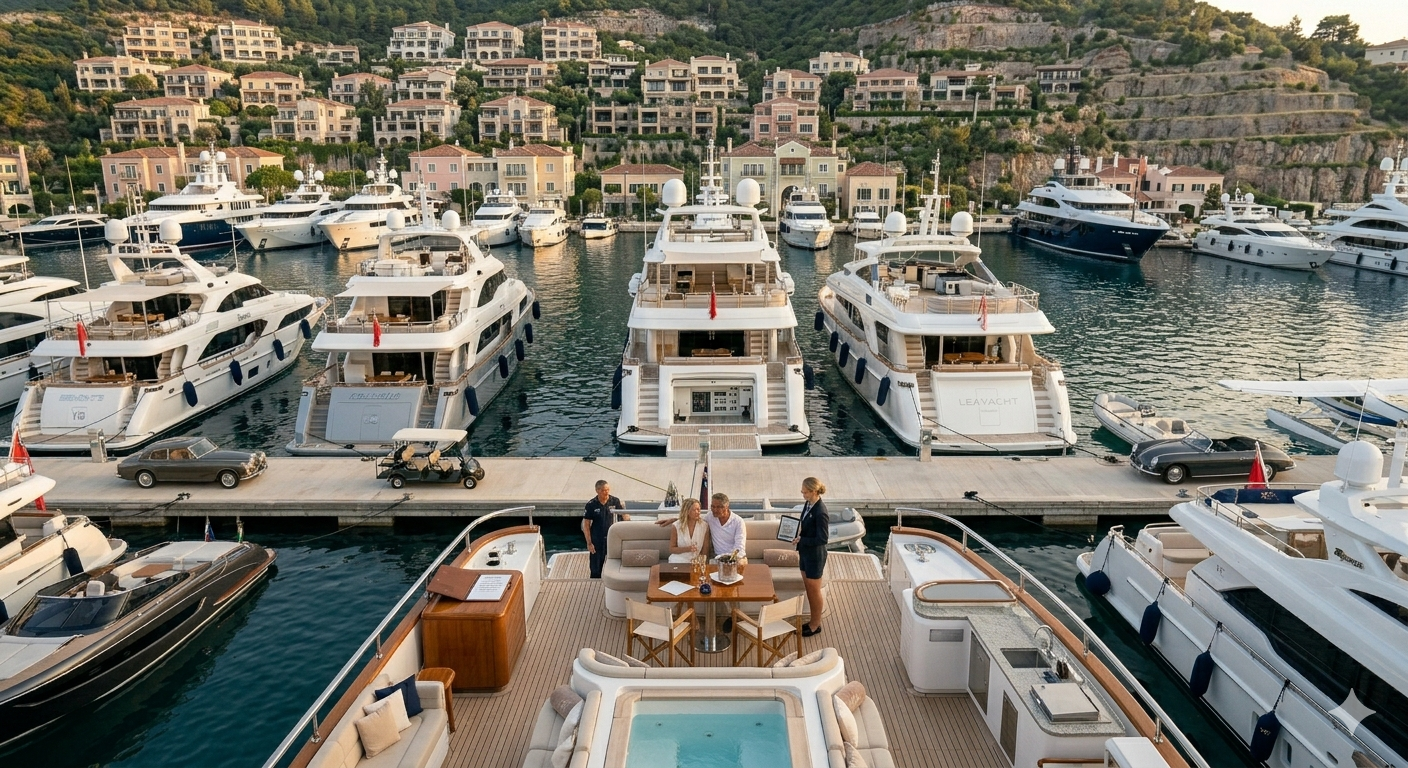
Sailing Green: The Future of Sustainable Yachting in 2026
Sailing Green: The Future of Sustainable Yachting in 2026
On a sunlit morning off the coast of Monaco, the gentle hum of an electric motor replaces the traditional rumble of a diesel engine. As the sleek, eco-friendly yacht glides effortlessly across the azure waters, it's hard to ignore a shift taking place in the yachting world. This is not just a ride; it is a testament to the future of sustainable yachting, a movement captivating the industry as 2026 unfolds.
In recent years, the yacht industry has been under increasing scrutiny for its environmental impact. With a growing number of affluent consumers prioritizing sustainability, the market is responding with innovative technologies and eco-friendly practices. What was once a niche consideration has now become central to the way yachts are designed, built, and operated.
The Current Sustainability Landscape
As of 2026, the yacht industry is witnessing a profound transformation towards sustainability. Leading manufacturers are investing heavily in research and development to create yachts that leave a lighter footprint on the planet. Hybrid and electric propulsion systems are at the forefront of this revolution, offering a compelling alternative to traditional fuel-based engines.
Reports from the latest yacht market analyses suggest that by adopting hybrid technologies, yachts can reduce fuel consumption by up to 30%. Electric yachts, though initially more expensive, promise zero emissions, aligning perfectly with the increasing demand for greener marine travel. Companies like Silent Yachts have pioneered solar-powered designs that harness the sun's energy, redefining the possibilities of long-distance cruising without reliance on fossil fuels.
Hybrid and Electric Yachts: A Market Game Changer
The transition to hybrid and electric propulsion systems is not just about environmental responsibility—it's good business. A recent overview of the hybrid yacht market indicates robust growth, driven by consumer demand for more eco-friendly modes of maritime leisure. This shift is not just a trend but a substantial market evolution.
Hybrid yachts, which combine traditional engines with electric motors, are particularly appealing for their operational versatility. They can switch seamlessly between power sources, offering both performance and efficiency. For yacht builders, this means meeting diverse consumer needs without compromising on the luxury and convenience that define the yachting experience.
Sustainable Materials in Yacht Construction
Beyond propulsion, the material sciences are making waves in yacht construction. Traditional materials such as fiberglass and steel are gradually being replaced by more sustainable alternatives. For instance, recycled aluminum and sustainably harvested teak are gaining popularity, providing the durability and aesthetic appeal required by the luxury market.
Incorporating sustainable materials extends beyond the hull. Interior design is also seeing a green makeover, with bamboo flooring and recycled fabrics becoming standard in high-end models. This pivot towards sustainability is not only environmentally beneficial but also adds a unique selling point for manufacturers aiming to attract an eco-conscious clientele.
Consumer Preferences: The Green Shift
Consumer behavior is a powerful driver of change in the yacht industry. As awareness of climate change and environmental impact grows, more yacht owners and charter clients are seeking out eco-friendly options. According to recent market research, there is a marked increase in the number of buyers who prioritize sustainability when purchasing or chartering a yacht.
This shift in consumer preferences is influencing not only the types of yachts being produced but also the services offered by charter companies. Many are now emphasizing sustainable practices, such as offering carbon offset programs and sourcing local, sustainable produce for onboard dining.
Leading the Way: Case Studies in Innovation
Several yacht manufacturers are setting exemplary standards in sustainability. For instance, the Italian firm Arcadia Yachts has integrated large solar panels into its designs, providing substantial energy savings. Similarly, the Dutch company Feadship is experimenting with biofuel alternatives and advanced energy recovery systems to further reduce emissions.
These companies illustrate that sustainability and luxury need not be mutually exclusive. By embracing innovation, they are redefining the luxury yachting market and setting new benchmarks for the industry.
Frequently Asked Questions
How are hybrid yachts different from traditional yachts?
Hybrid yachts combine conventional engines with electric motors, offering greater efficiency and reduced emissions compared to traditional yachts.
Are electric yachts more expensive than traditional ones?
Initially, electric yachts tend to be more expensive due to advanced technology and materials; however, their operational cost savings and environmental benefits offer long-term value.
What sustainable materials are being used in yacht construction?
Sustainable materials like recycled aluminum, sustainably harvested teak, and bamboo are increasingly used in yacht construction for their durability and environmental benefits.
Conclusion
As the yacht industry sails into a greener future, the commitment to sustainability is reshaping not only technological innovations but also consumer perceptions and market strategies. The years ahead promise a continued evolution, where luxury and sustainability go hand in hand. By embracing these changes, the yachting community is not only preserving the beauty of our oceans but also ensuring that maritime leisure continues to thrive responsibly. It's a journey worth embarking on, one where every wave tells a story of innovation and hope.