Sailing into Sustainability: The Future of Eco-Friendly Yachting in 2026
Sailing into Sustainability: The Future of Eco-Friendly Yachting in 2026
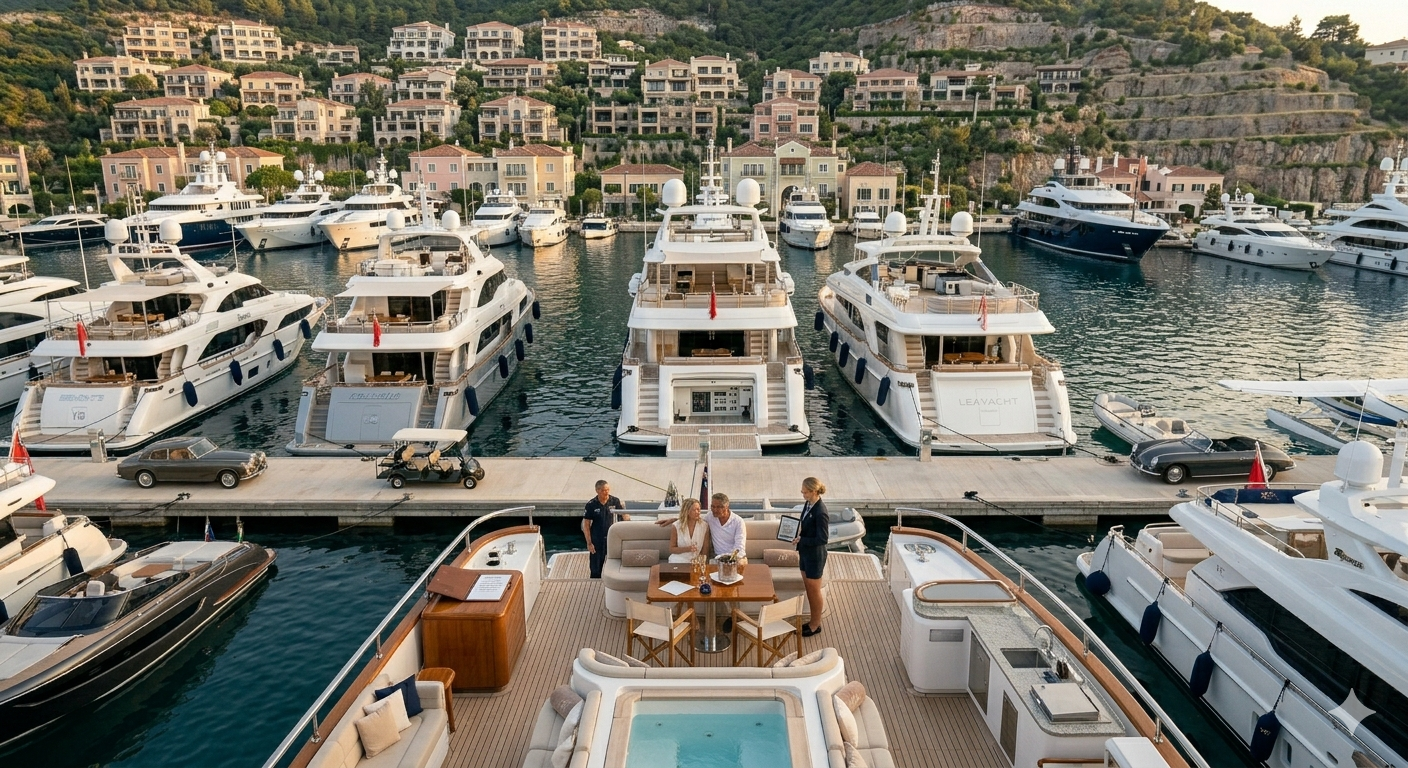
Under a dazzling sky along the Côte d'Azur, the annual Monaco Yacht Show was bustling with its usual grandeur. Yet, among the glittering hulls and sleek designs, there was a new buzz in the air—a palpable shift from opulence to conscientious innovation. This year, the spotlight was not just on luxury but on sustainability, a testament to how the industry is reimagining its future. As the sun set over the Mediterranean, the latest hybrid yachts, boasting silent motors and low emissions, became symbols of a new era in yachting.
The yachting industry, long associated with extravagance and elitism, is now steering towards sustainability with unprecedented vigor. This transition is not merely a reaction to regulatory pressures or the increasing environmental consciousness of consumers; it's a proactive embrace of technological advancements that promise to redefine luxury on the seas. In 2026, this shift is evident across the board, from the materials used in construction to the technologies powering these magnificent vessels.
The Rise of Hybrid and Electric Technologies
In the early 2020s, the notion of an electric yacht seemed as fanciful as solar-powered cities. Fast forward to 2026, and hybrid propulsion systems are no longer a novelty but a standard feature in new yacht designs. The marriage of diesel and electric engines offers an irresistible blend of efficiency and power, reducing fuel consumption while maintaining the performance expected of a luxury yacht.
One such example is the trend-setting Seaway 60, which was unveiled at the Monaco Yacht Show. This yacht combines advanced lithium-ion battery technology with a traditional engine, allowing it to glide silently through protected marine areas where noise pollution would otherwise disrupt delicate ecosystems. The market adoption of such hybrid solutions is accelerating, driven by both regulatory incentives and consumer demand for environmentally responsible options.
Eco-Friendly Materials: The New Gold Standard
The construction of yachts has always relied heavily on materials like fiberglass and steel, but there's a growing shift towards sustainable alternatives. Modern yachts are increasingly integrating bamboo, reclaimed woods, and bio-based resins into their designs. These materials not only reduce the carbon footprint of the yacht-building process but also offer an aesthetic appeal that harks back to yachting's classic wooden roots.
Consider the case of the EcoLuxe 45, a vessel that is making waves with its innovative use of flax fiber, a natural composite material that is both lightweight and incredibly strong. Manufacturers like EcoLuxe recognize that sustainability can enhance, rather than compromise, luxury, offering yachts with rich textures and finishes that tell a story of environmental stewardship.
Navigating the Regulatory Seas
Regulations have long been a driver of innovation in the maritime industry, and yachting is no exception. International bodies have introduced stringent standards aimed at minimizing the environmental impact of watercraft, including limits on emissions and mandates for waste management systems.
The International Maritime Organization's latest guidelines have spurred yacht builders to adopt technologies that, just a decade ago, seemed far from practical. For instance, waste-heat recovery systems are being integrated into the latest models, allowing yachts to convert excess heat from engines into usable energy onboard. This not only boosts efficiency but also aligns with the growing expectation for yachts to be as self-sufficient and eco-friendly as possible.
Leading the Charge: Case Studies in Sustainable Innovation
Several yacht manufacturers are setting benchmarks in sustainability, leading the charge with groundbreaking innovations. Feadship, a renowned Dutch yacht manufacturer, has been at the forefront with its "Pure" design philosophy, which commits to zero-emission yachts by 2030. Their newest model incorporates solar panels seamlessly integrated into the yacht's architecture, providing a significant portion of the energy needed for onboard systems.
Another pioneer, Sunreef Yachts, has introduced a range of solar-powered catamarans that promise long voyages without a hint of diesel fumes. These yachts are equipped with cutting-edge solar skin technology, where photovoltaic cells are embedded directly into the hulls and superstructures, offering a glimpse into a future where yachts are virtually independent of traditional fuel sources.
Practical Wisdom for Aspiring Eco-Conscious Yacht Owners
For those new to the world of eco-friendly yachting, the journey can be as exhilarating as it is daunting. Experienced yacht owners know that investing in sustainable technology not only benefits the environment but also enhances the overall yachting experience. Here’s what seasoned enthusiasts have discovered:
- Embrace Innovation: Don't shy away from new technologies. Hybrid engines and eco-materials are not just trends but the future of yachting.
- Regulations Are Your Friend: They help ensure that your investment remains viable and compliant with global standards, which can enhance resale value.
- Think Long Term: Sustainable choices might have higher upfront costs but offer savings in the long run through reduced fuel and maintenance costs.
- Engage with Eco-Designers: Working with designers who specialize in sustainable practices can result in a yacht that reflects personal environmental values.
Frequently Asked Questions
How are hybrid yachts better for the environment?
Hybrid yachts significantly reduce fuel consumption and emissions by combining traditional engines with electric propulsion systems, leading to quieter and more efficient operation.
What are some eco-friendly materials used in yacht building?
Bamboo, flax fiber, reclaimed wood, and bio-based resins are popular sustainable materials now being used to construct yachts, offering durability and reduced environmental impact.
Are there regulations that support sustainable yachting?
Yes, international maritime regulations are increasingly promoting eco-friendly practices, such as emission reductions and waste management systems, pushing the industry towards greener solutions.
Setting Sail Towards a Greener Horizon
As we look ahead, the yachting industry’s transformation towards sustainability is not just a fleeting trend but a committed voyage. Whether it's through the implementation of hybrid engines, the adoption of eco-friendly materials, or compliance with environmental regulations, yachting is charting a course towards a more sustainable future. For yacht owners and industry professionals alike, embracing these changes is not just a responsible choice—it's an opportunity to lead in an era where luxury and ecological consciousness sail hand in hand.