Sailing Towards Sustainability: The Future of Eco-Friendly Yachting in 2026
Sailing Towards Sustainability: The Future of Eco-Friendly Yachting in 2026
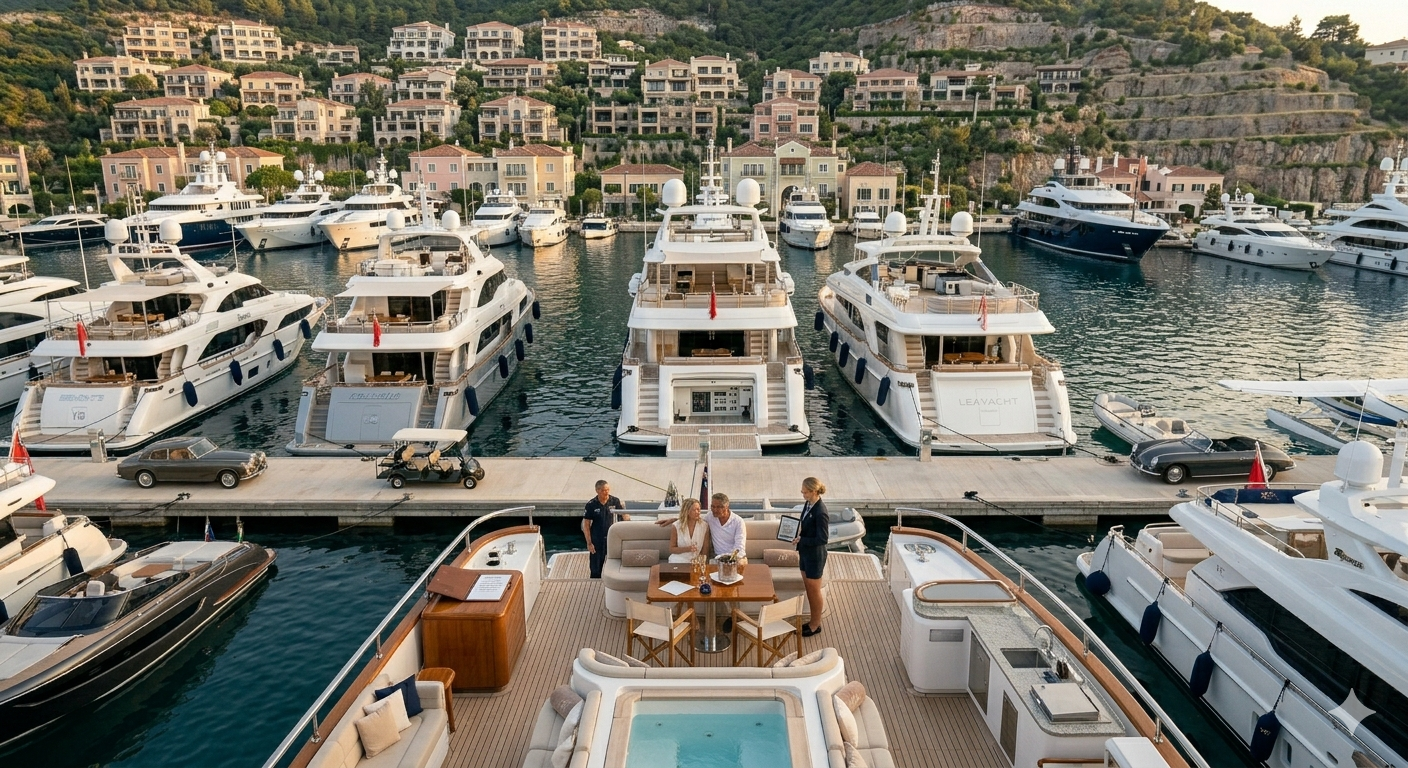
In the serene harbor of Monaco, a sleek vessel glides silently through the water, catching the eye of every onlooker along the quay. Unlike its peers, this yacht's motors hum with the faintest whisper as it maneuvers into place. This is "Elysium," one of the latest models to embrace hybrid propulsion, a game-changer in the quest for sustainable luxury on the seas. As the owner disembarks, a group of potential buyers, allured by its promise of eco-friendly opulence, eagerly gather for a closer look.
The scene in Monaco is not unique but rather emblematic of a transformative wave sweeping through the yachting world in 2026. With the growing urgency of environmental stewardship front and center, the yacht industry is increasingly steering towards sustainability. This transition is fueled by both technological innovation and shifting consumer expectations, as owners and charterers alike seek experiences that align luxury with ecological responsibility.
Emerging Trends in Sustainable Yachting
The yachting industry, long synonymous with opulence and excess, is undergoing a sea change. Sustainability has become more than just a buzzword; it's a tangible shift that's redefining how yachts are built, powered, and operated. According to industry insights, by 2026, hybrid and electric propulsion systems are no longer novelties. Instead, they represent the new norm for environmentally conscious yachters.
Hybrid propulsion offers a dual advantage: reducing the carbon footprint while maintaining the performance and luxury that high-end clients expect. Pioneering yacht builders have begun integrating these systems into their designs, combining traditional diesel engines with electric motors. This approach not only slashes emissions but also enhances fuel efficiency, providing a quieter, more serene cruising experience that doesn’t compromise on power.
Advancements in Eco-Friendly Materials
Beyond propulsion, the materials used in yacht construction are also seeing a green revolution. Boat builders are increasingly turning to sustainable materials, such as recycled metals and responsibly sourced woods, to craft their vessels. These choices reflect broader societal trends toward sustainability, where the origin and lifecycle of materials are scrutinized for their environmental impact.
The adoption of eco-friendly materials is particularly relevant as consumers become more discerning. Recycled aluminum, for instance, is now favored over its newly mined counterpart for hull construction, offering durability and reduced environmental impact. Similarly, composite decking materials that mimic traditional teak are being used more frequently, offering the same aesthetic appeal without contributing to deforestation.
The Demand for Sustainable Luxury Experiences
Sustainability is not just making waves in yacht construction but also in the charter market, where eco-conscious experiences are in high demand. Charter companies have noted a marked increase in clients specifically requesting vessels with green credentials. These consumers are not only interested in the environmental impact of their yachts but also in broader experiential offerings that emphasize sustainability.
This trend is evident in the rise of charter packages that include eco-friendly activities, such as guided marine conservation tours and educational programs on local ecosystems. Whether exploring the vibrant reefs of the Caribbean or the pristine coastlines of the Mediterranean, charterers are seeking deeper connections with the natural world, facilitated by their luxurious but low-impact vessels.
Leading the Charge: Case Studies of Innovation
Among the frontrunners in the sustainable yachting movement is Feadship, a Dutch yacht builder renowned for its commitment to innovation and quality. Feadship has invested heavily in research and development to create yachts that not only perform impeccably but also align with stringent environmental standards. Their recent launch, "Pure," embodies this ethos, featuring cutting-edge hybrid technology and an array of sustainable materials.
Similarly, Sunseeker International has made headlines with its "Ocean Spirit" series, emphasizing eco-friendly craftsmanship and energy efficiency. These yachts are designed with the future in mind, incorporating solar panels and water purification systems that reduce reliance on shore-based resources.
The Future of Eco-Friendly Yachting
As the yachting industry embraces sustainability, the market outlook is positive. Analysts predict that by 2030, eco-friendly yachts could constitute a significant portion of new builds, driven by both regulatory pressures and consumer demand. This shift not only promises to minimize the industry's environmental footprint but also to open up new opportunities for innovation and growth.
The future of yachting looks set to be reshaped by these sustainable practices, with the promise of cleaner oceans and a more responsible luxury experience for all. As yacht manufacturers and charter companies continue to navigate this path, they are charting a course that aligns luxury with sustainability, ultimately redefining what it means to sail into the future.
Frequently Asked Questions
What are hybrid propulsion systems in yachts?
Hybrid propulsion systems combine traditional diesel engines with electric motors, reducing emissions and improving fuel efficiency while maintaining power and performance.
Why are sustainable materials important in yacht construction?
Using sustainable materials reduces the environmental impact of yacht building by minimizing resource depletion and promoting recycling, aligning with broader efforts to preserve natural resources.
How is consumer demand influencing sustainable yachting trends?
Consumers are increasingly demanding eco-friendly yachts and charter experiences, prompting manufacturers and operators to adopt greener practices and technologies to meet these expectations.
Conclusion
The yachting industry stands at the brink of a profound transformation, one that marries the allure of luxury with the imperative of sustainability. As new technologies and materials redefine what's possible, the allure of the sea promises not just adventure and relaxation, but also a future in harmony with our planet. For those ready to embrace this change, the horizon holds not just the promise of new destinations, but of a new way to experience the world, sustainably.