Shifting Trends in Yacht Ownership Models: A 2026 Perspective
Shifting Trends in Yacht Ownership Models: A 2026 Perspective
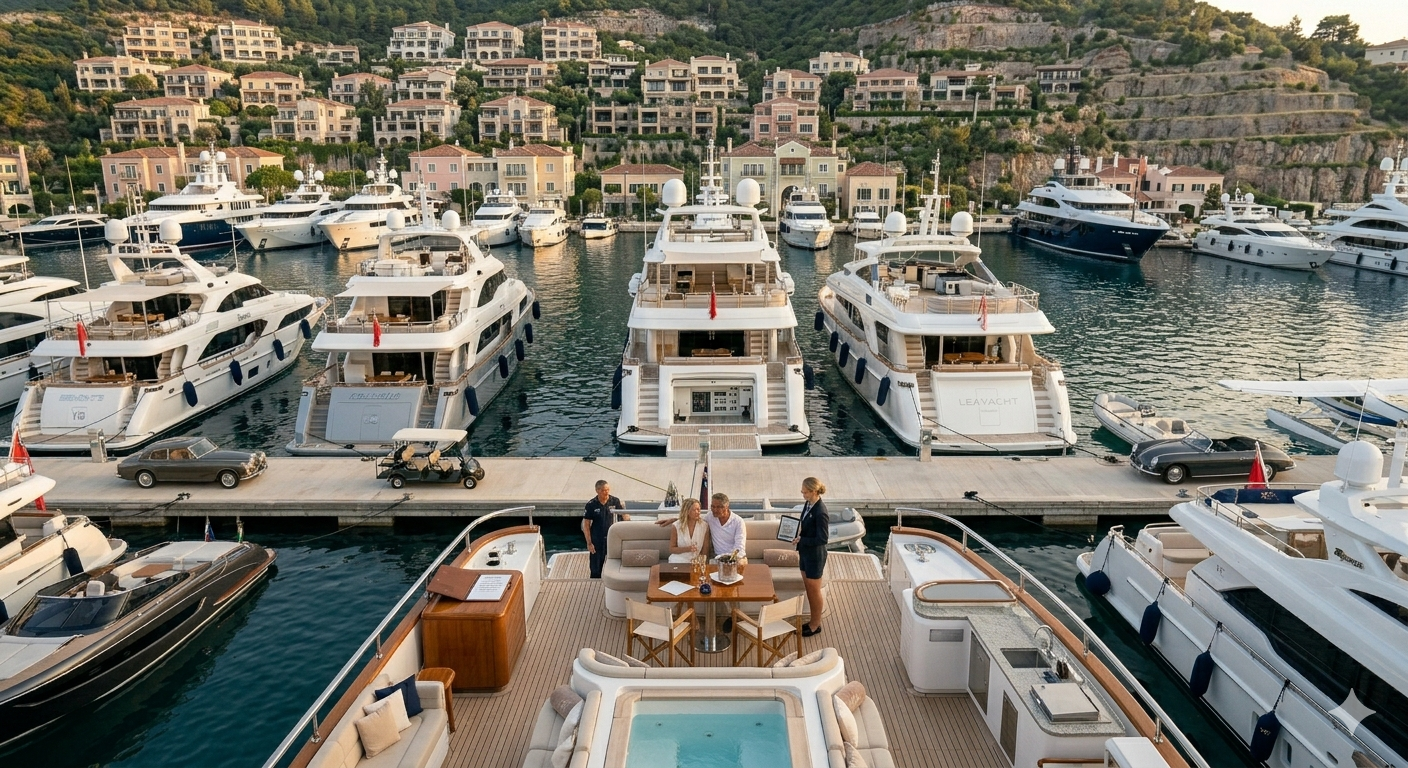
In the hushed elegance of a Mediterranean marina, where teak decks glisten under the morning sun, a quiet revolution is underway. Amongst the rows of gleaming yachts, a swelling current is shifting the traditional winds of ownership. The year is 2026, and the discussion isn't just about the size of a yacht, but about how it's owned. This evolution, driven by both economic realities and changing consumer preferences, is reshaping the yachting landscape in fascinating ways.
The Classic Allure of Traditional Ownership
For decades, yacht ownership was a domain defined by exclusivity and personal expression. Owning a yacht was more than a statement of wealth; it was a symbol of freedom. The very structure of traditional ownership supported this narrative—a singular owner with a personal crew, dictating the course from one port of call to another.
Yet, even as the romance of sole ownership persists, it's becoming clear that the paradigm is shifting. The economic climate and evolving consumer expectations have begun to challenge the viability and desirability of owning a yacht outright. The operational costs, maintenance, and crew salaries, not to mention the depreciation of the vessel, contribute to a complex financial equation that is increasingly scrutinized by potential owners.
A New Wave: Shared and Fractional Ownership
Enter shared and fractional ownership models, a trend that has been steadily gaining traction over the past few years and reached new heights in 2026. These models function much like timeshares, allowing multiple parties to share the costs and responsibilities associated with yacht ownership. For many, this is a welcome compromise, blending the joy of yachting with practical financial management.
Shared ownership primarily appeals to a younger, more pragmatic demographic. According to recent market analyses, the millennial and Gen Z cohorts have shown a marked preference for experiences over possessions, a shift reflected in their approach to luxury assets. Fractional ownership offers these younger buyers the opportunity to enjoy the yachting lifestyle without the hefty price tag and logistical burdens of full ownership.
Economic Influences on Ownership Decisions
Economic factors play a pivotal role in why more buyers are leaning towards shared and fractional arrangements. In a world where economic uncertainties loom large—from market volatility to global economic shifts—potential yacht owners are reconsidering how best to enjoy luxury with financial foresight.
This model also offers flexibility. Owners can purchase shares that align with their desired usage, often allowing them to tailor their experience according to their lifestyle needs. It's a practical, cost-effective approach that acknowledges the realities of modern financial planning while still providing access to the world of luxury maritime travel.
Demographic Shifts and Their Impact
Demographic changes are also influencing ownership trends. We're witnessing a generational handover, with the traditional older yacht owners making way for a tech-savvy, adventurous segment. These new entrants are less interested in the trappings of wealth and more focused on sustainability and efficiency—factors that the old model of ownership often neglected.
For instance, the younger generations are more likely to be engaged with digital platforms that facilitate shared ownership. They are used to seamless, app-driven experiences that make everything from booking to scheduling straightforward and convenient. This tech integration is not just a benefit but an expectation, paving the way for innovative platforms that cater to the shared economy.
The Future Horizon of Yacht Ownership
Looking beyond 2026, it seems likely that these emerging models will continue to grow in popularity. As economic pressures and demographic shifts continue to mold consumer behaviors, the yacht market will need to adapt. The future might see even more innovative ownership models that incorporate sustainability, digital integration, and community-driven experiences.
For industry professionals, understanding these trends is crucial. Navigating this new landscape means embracing flexibility and recognizing the value propositions that appeal to modern yacht enthusiasts. It's about crafting experiences that resonate with the evolving sensibilities of the next generation of yacht owners.
Frequently Asked Questions
What are the main differences between shared and fractional yacht ownership?
Shared ownership typically involves a group of individuals owning equal parts of a yacht, sharing costs and usage. Fractional ownership may offer more structured usage and financial arrangements, akin to timeshares.
How does fractional ownership impact the yacht's maintenance?
Owners in fractional arrangements usually contribute proportionally to the maintenance costs, ensuring that the yacht remains in excellent condition without one party bearing the full financial burden.
Why are younger generations favoring shared ownership models?
Younger generations prioritize experiences over possessions, valuing flexibility and financial prudence. Shared ownership provides access to luxury yachting without the full cost and responsibility of traditional ownership.
Conclusion
The tide in yacht ownership is undoubtedly turning. As we sail further into the future, the industry is poised for continued evolution, driven by economic factors, technological advancements, and shifting consumer values. As these trends unfold, they offer a tantalizing glimpse into a more flexible, inclusive, and sustainable way to enjoy the high seas. Whether you're a seasoned owner or a newcomer to the world of yachting, navigating this new horizon promises to be an exciting voyage.