The Rise of Hybrid Ownership Models in the Yacht Industry: Trends and Insights for 2026
The Rise of Hybrid Ownership Models in the Yacht Industry: Trends and Insights for 2026
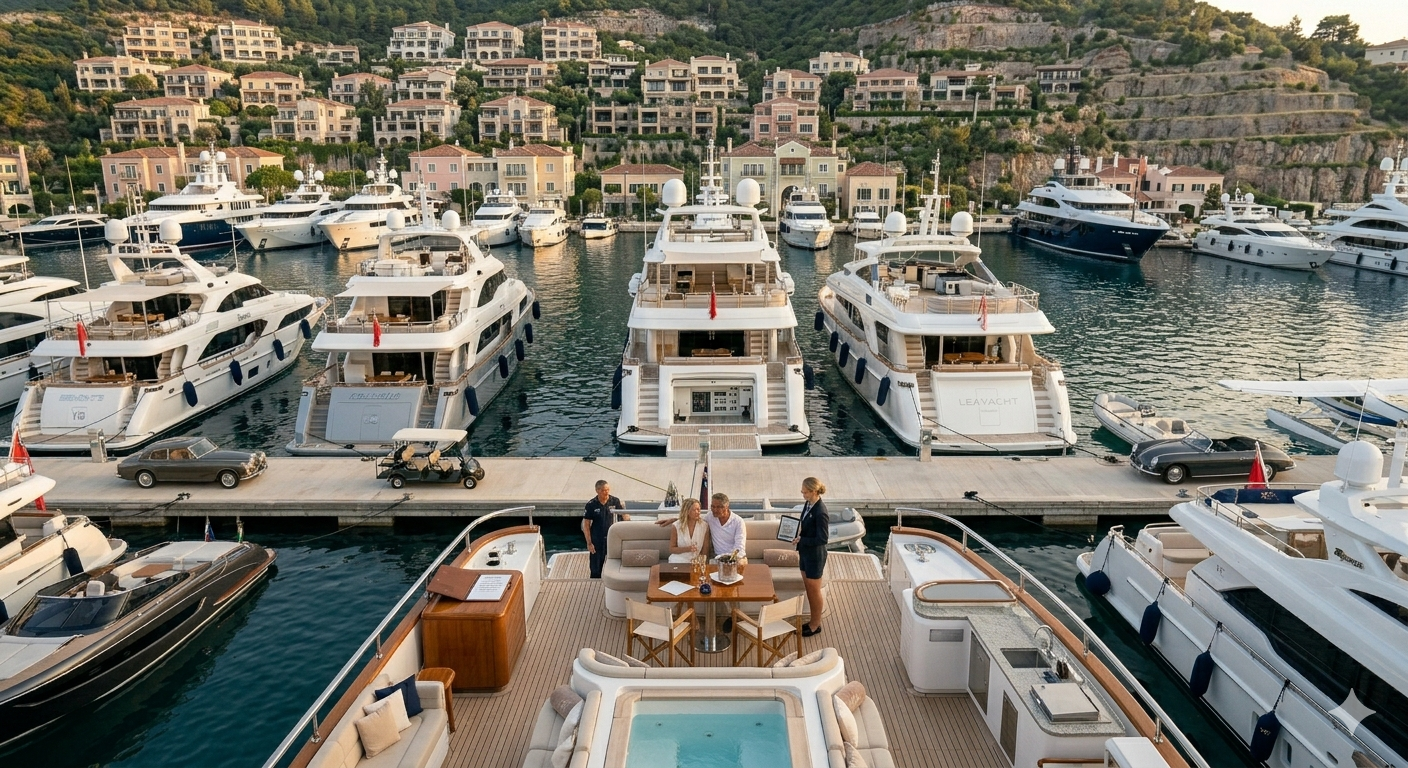
It was a warm evening in Cannes, and the marina was buzzing with the excitement of its annual yacht festival. Among the sleek vessels lining the docks, a small group of potential yacht owners gathered at a cocktail reception. The talk was not about the usual millionaire who buys a yacht outright, but rather about something new—hybrid ownership models. As they sipped on their champagne, the buzzword of the evening became clear: fractional ownership. This innovative approach promised to open the luxurious world of yachting to a broader audience, sparking curiosity and debate among industry veterans and newcomers alike.
In recent years, the yacht industry has seen a significant shift in how people approach ownership. The traditional idea of owning a yacht outright—with all the responsibilities and costs that come with it—is evolving. Hybrid ownership models, including fractional ownership and subscription services, are steadily gaining traction. These models offer a more flexible and cost-effective way to enjoy yachting, appealing to a new generation of yacht enthusiasts who value experience over possession. This shift is not just a fleeting trend; it signals a fundamental transformation in the industry.
Understanding Hybrid Ownership Models
Hybrid ownership models are reshaping the landscape of yacht ownership by offering alternative pathways to enjoying luxury yachts, without the financial burdens of full ownership. Fractional ownership, for example, allows multiple stakeholders to purchase shares in a yacht, sharing both the costs and the usage time. Similarly, subscription services enable clients to pay a regular fee to access a fleet of yachts, giving them flexibility and variety without committing to a single vessel.
These models cater to a growing demand for flexibility and accessibility, particularly among younger demographics. For many, the idea of yachting is no longer just about prestige but about the freedom to explore and the experiences that come with it. In this context, hybrid ownership models align perfectly with contemporary lifestyle choices, emphasizing sustainability, convenience, and shared experiences.
The Demand Behind the Shift
The shift towards hybrid ownership is driven by demographic changes and evolving consumer preferences. According to recent yacht industry statistics, there has been a notable increase in younger, tech-savvy individuals entering the yachting market. These new buyers are often entrepreneurial, value-driven, and see yachting as a lifestyle choice rather than a status symbol.
Moreover, economic factors play a significant role. The costs associated with traditional yacht ownership—from maintenance to crew salaries to docking fees—can be daunting. Hybrid models reduce these financial barriers, making the yachting experience more attainable. This democratization of yacht ownership is expanding the market and attracting a diverse range of potential owners who might have previously viewed yachting as an unattainable luxury.
Comparing Traditional and Hybrid Models
When comparing traditional yacht ownership to hybrid models, several key differences stand out. Financially, hybrid models substantially lower the entry point for ownership. While a traditional yacht purchase may require a multi-million dollar investment, fractional ownership or subscription services can offer access for a fraction of that cost.
Flexibility is another major advantage. Traditional ownership often ties an owner to a specific yacht and a fixed location, whereas hybrid models offer the freedom to choose different yachts in various locations, enhancing the overall experience. This flexibility is particularly appealing to those who travel extensively or have fluctuating schedules.
However, hybrid models are not without challenges. Coordinating schedules among multiple owners in fractional ownership or managing the logistics of yacht availability in subscription services can be complex. Yet, as these models become more sophisticated, service providers are developing solutions to mitigate such issues, further enhancing their appeal.
Success Stories in Hybrid Ownership
Several case studies highlight the success of hybrid ownership models. Companies like SmartYacht have been pioneers in the field, offering a variety of fractional ownership options tailored to different needs and preferences. Their model not only reduces costs but also simplifies the yachting experience by handling management and operational details.
Similarly, subscription services like Boatsetter and YachtLife have gained popularity for their user-friendly platforms and diverse yacht selections. By providing access to a range of yachts across different regions, they exemplify how subscription models can cater to a wide spectrum of preferences and budgets.
These initiatives have not only been successful in attracting a broader customer base but have also stimulated interest in yachting from individuals who may have never considered it before. They are reshaping perceptions about what it means to be a yacht owner in the modern era.
Looking Ahead: The Future of Hybrid Ownership
As we look to the future, hybrid ownership models are likely to continue expanding, driven by technological advancements and changing consumer expectations. Innovations in blockchain technology, for instance, could streamline the processes involved in fractional ownership, making it even more transparent and secure.
Furthermore, the growing emphasis on sustainability within the yachting industry aligns well with hybrid models. By sharing resources, stakeholders can reduce the environmental impact associated with yacht ownership, appealing to eco-conscious consumers.
In the coming years, we can expect to see more companies entering the hybrid ownership space, offering increasingly tailored and innovative solutions. These models have the potential to democratize yachting further, transforming it into an experience accessible to all who dream of life on the open sea.
Frequently Asked Questions
What is fractional yacht ownership?
Fractional yacht ownership involves purchasing a share in a yacht, allowing multiple owners to split the costs and usage time, providing a cost-effective way to enjoy yachting.
How do yacht subscription services work?
Yacht subscription services allow members to pay a regular fee to access a fleet of yachts, offering flexibility to choose different yachts without the commitment of owning one outright.
Are hybrid ownership models suitable for first-time yacht owners?
Yes, hybrid models can be particularly attractive for first-time yacht owners as they lower financial barriers and offer flexibility, making entry into the yachting world more accessible.
Conclusion
As hybrid ownership models continue to gain popularity, they signal a profound shift in the yacht industry. By lowering barriers to entry and increasing flexibility, these models appeal to a new breed of yacht enthusiasts seeking experiences over exclusivity. As the industry evolves, embracing innovation and sustainability, hybrid ownership could well be the key to unlocking the joys of yachting for generations to come. For those standing at the threshold, the horizon is wide open, and the sea beckons.