The Rise of Hybrid Yachts: Are They Worth the Investment in 2026?
The Rise of Hybrid Yachts: Are They Worth the Investment in 2026?
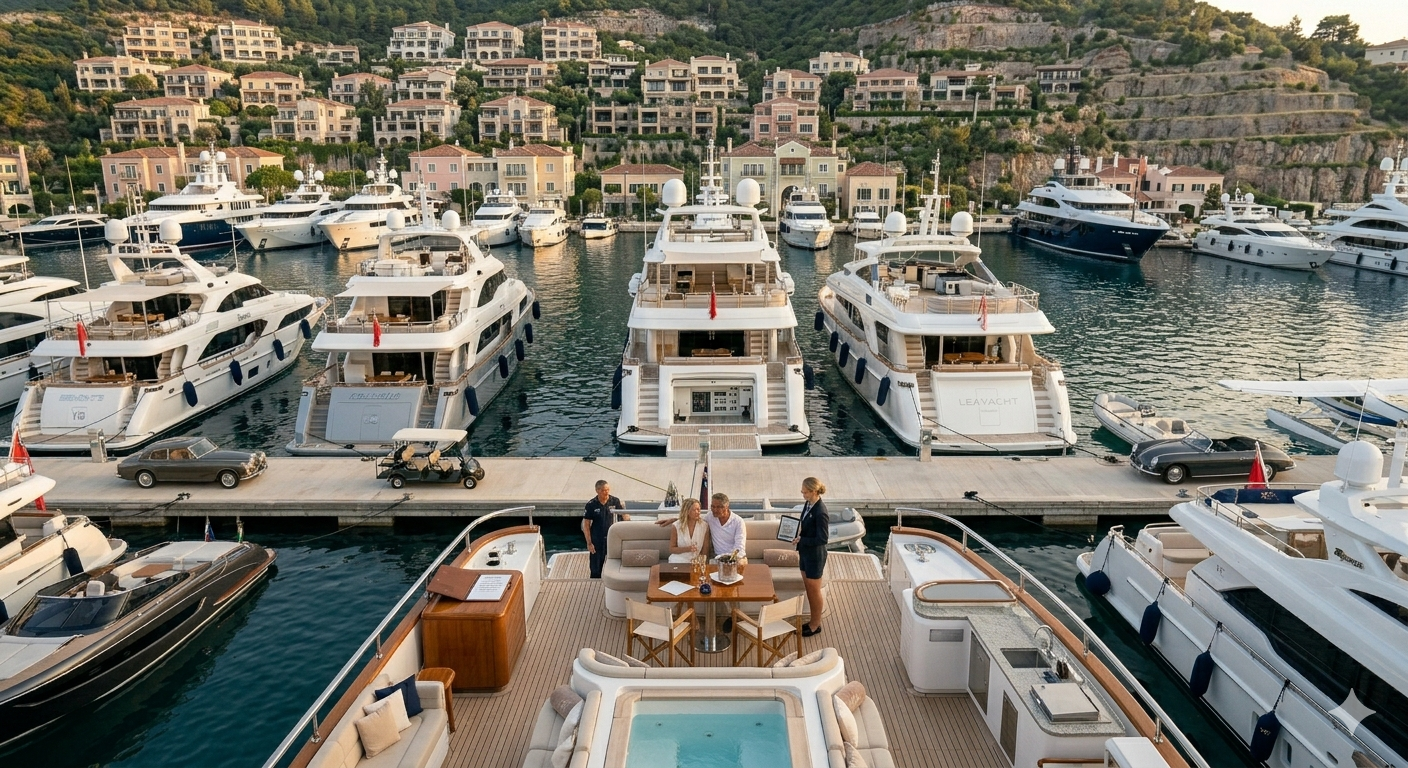
The sun was setting over the calm waters of the Mediterranean, casting a warm golden glow across the hull of a sleek new yacht anchored just off the coast of Monaco. But this wasn't just any yacht; it was a hybrid, representing one of the defining trends in yachting for 2026. As guests aboard sipped their cocktails, a quiet hum replaced the typical roar of engines — a testament to the fusion of luxury and sustainable innovation that is reshaping the industry.
Hybrid yachts have been sailing into the spotlight over recent years, driven by technological advancements and a growing environmental consciousness among owners. These vessels, which combine traditional internal combustion engines with electric propulsion systems, promise not just an elegant cruising experience, but also a more sustainable one. But as with any emerging technology, prospective buyers are left pondering: Are hybrid yachts truly worth the investment?
The Evolution of Hybrid Yacht Technology
The journey of hybrid technology in the yacht industry is one of rapid evolution. Just a decade ago, the idea of a hybrid yacht was more of a nautical novelty than a staple of the luxury market. Initial models were met with skepticism, primarily due to high costs and unproven performance. However, technological innovations, especially in battery storage and energy management systems, have transformed hybrids from a niche market into a burgeoning trend.
Today's hybrid yachts employ sophisticated systems that seamlessly toggle between diesel engines and electric motors, optimizing fuel consumption and reducing emissions. This dual approach not only enhances cruising performance but also caters to a new generation of yacht owners who value sustainability alongside luxury. The ability to glide silently into a marina or an eco-sensitive harbor without disturbing marine life is a feature that resonates well with modern maritime enthusiasts.
Economic and Environmental Benefits
Beyond the allure of cutting-edge technology, hybrid yachts offer tangible economic benefits. Fuel efficiency is a standout feature, with many owners reporting significant reductions in fuel costs thanks to the improved energy management systems. With diesel prices subject to global market fluctuations, a vessel that can operate efficiently on electric power alone for short distances presents a compelling economic argument.
Moreover, the environmental advantages are increasingly hard to ignore. As international maritime regulations become stricter, reducing carbon footprints is no longer optional for yacht owners. Hybrid yachts, with their reduced emissions, position themselves as compliant solutions for the eco-conscious owner, aligning with both current regulations and anticipated future mandates.
Market Trends and Demand in 2026
The growing demand for hybrid yachts is reflected in market trends forecasted for 2026. According to recent industry reports, buyers are more inclined towards vessels that offer sustainable solutions without compromising on luxury or performance. This shift in consumer preference is driving manufacturers to invest heavily in hybrid technology, resulting in a broader range of options at varied price points.
In fact, the demand is such that industry insiders predict a significant increase in hybrid yacht sales over the next decade, with some manufacturers reporting that hybrid models now comprise over 20% of their production. This upswing is attributable not only to environmental concerns but also to the prestige associated with owning a state-of-the-art hybrid vessel.
Traditional vs. Hybrid: Performance and Maintenance
When comparing traditional yachts to hybrid models, performance and maintenance are critical considerations. Traditional yachts, long prized for their reliability and simplicity, face stiff competition from hybrids that promise both agility and operational cost savings. While hybrids may initially carry a higher price tag, the long-term savings on fuel and maintenance can offset the upfront investment.
Maintenance for hybrid systems does require specialized knowledge, though, which can be seen as a drawback by some. However, many owners find the trade-off worthwhile, given the reduced frequency of mechanical issues and the ease of operation in electric mode. Additionally, the rising availability of skilled technicians well-versed in hybrid technology is making maintenance less of a concern.
Insights from Industry Experts
Experts across the maritime sector anticipate a bright future for hybrid yachts. According to a recent report by Fraser Yachts, the integration of cleaner technologies is not just a trend but a necessity for the industry’s future sustainability. "Hybrid yachts are not just about reducing emissions; they're about enhancing the entire yachting experience," notes one industry veteran. "Silent cruising, reduced running costs, and compliance with environmental regulations are becoming the new standard."
Thus, hybrid yachts are seen not just as a response to current environmental demands but as a forward-looking investment in the longevity and viability of luxury yachting.
Frequently Asked Questions
What exactly is a hybrid yacht?
A hybrid yacht combines traditional diesel engines with electric propulsion systems, allowing it to operate efficiently using either or both power sources.
Are hybrid yachts more expensive than traditional yachts?
While hybrid yachts typically have a higher initial cost, they often result in long-term savings through reduced fuel consumption and lower maintenance expenses.
How do hybrid yachts impact the environment?
Hybrid yachts significantly reduce emissions, making them more environmentally friendly and compliant with increasing international regulations on marine pollution.
Conclusion
As the sun dips below the horizon, casting the last light on the future of yachting, the rise of hybrid yachts stands as a beacon of innovation and responsibility. For those pondering whether to invest, the answer lies in a balance between tradition and forward-thinking. Hybrid yachts not only promise a greener way to explore the seas but also ensure that the luxury and pleasure of yachting are preserved for future generations. As we sail into this new era, the question seems less about "if" to invest in hybrid technology, and more about "when".