The Rise of Slower Travel in Yachting: Trends for 2026
The Rise of Slower Travel in Yachting: Trends for 2026
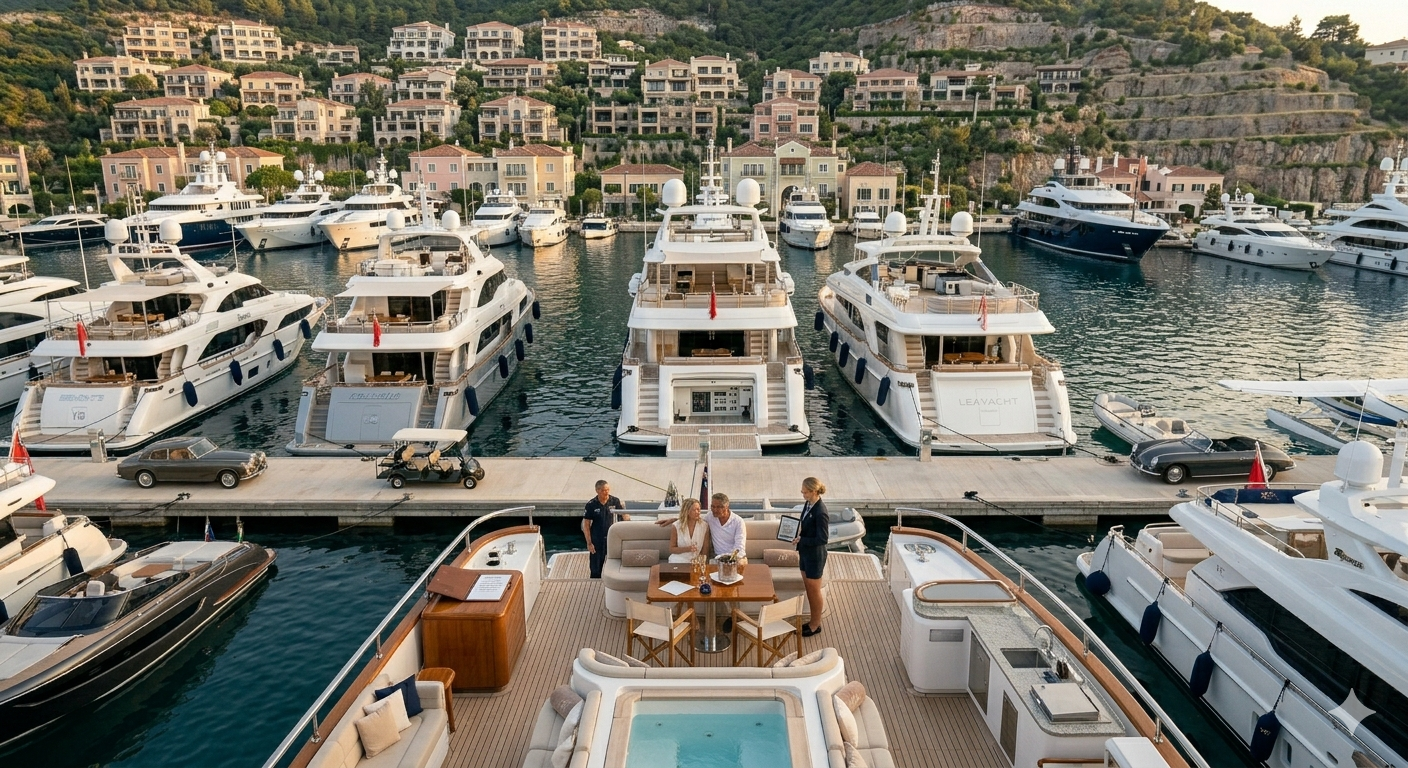
It was a breezy afternoon in the French Riviera, and Martin, a seasoned yacht captain with over two decades of maritime experience, was overseeing the final preparations for a unique voyage. Unlike previous charters involving whirlwind tours of the Mediterranean's hot spots, this charter was booked for an extended three-month journey. As he welcomed aboard his guests—a family of four who had decided to take their remote work and schooling to the seas—Martin couldn’t help but reflect on this emerging trend that was quietly revolutionizing the yachting industry: slower travel.
Once upon a time, luxury yachting was synonymous with quick escapades to glamourous ports and brisk trips across turquoise waters. However, the narrative is changing in 2026, shaped by the overarching influence of remote work and a cultural shift towards savoring travel rather than rushing through it. This evolution is not just a fleeting fad; it's a fundamental transformation that is redefining luxury maritime travel.
The Influence of Remote Work on Yachting
The seeds of this slower travel trend were sown in the early 2020s, as remote work gained acceptance across industries. With laptops and reliable Wi-Fi, the world became an office without walls. This newfound flexibility has greatly influenced how people view travel. In yachting, it translates into extended charters, allowing voyagers to immerse themselves in the journey, rather than merely tick destinations off a list.
Families like Martin's guests are increasingly choosing to blend work and leisure, turning yachts into floating homes that roam the world's most beautiful locales. Charter companies have noted an increase in bookings for one to three months at a time, reflecting a desire for a deeper connection with the ocean and the cultures it touches. This shift is supported by the statistics from Dream Yacht Sales, which highlight a notable rise in extended charter bookings from 2023 onwards.
Yacht Design Adapts to Longer Journeys
As the demand for longer voyages grows, yacht design has adapted to meet the needs of these modern mariners. Interiors have evolved to include more functional office spaces, complete with ergonomic desks and high-speed internet capabilities. Yachts are now designed with multi-purpose areas that easily transition from workspaces during the day to relaxing leisure environments in the evening.
Moreover, amenities have become more family-friendly and wellness-oriented. Luxurious spas, gourmet kitchens, and enhanced recreational facilities cater to the needs of those spending extended periods aboard. The emphasis is on creating a seamless blend of productivity and relaxation, ensuring that extended stays are as comfortable and enjoyable as possible.
Consumer Behavior and Expectations
The shift towards slower travel has also changed consumer expectations. Today's yacht travelers are seeking more personalized and authentic experiences. They value flexibility in itineraries, allowing them to stay longer in ports that capture their interest, engage with local communities, and partake in cultural experiences.
This change in behavior has prompted charter companies to offer more bespoke services, such as curated excursions and personalized culinary experiences. Travelers are no longer content with simply observing the world from the deck; they want to step ashore, taste the local flavors, and engage with the culture at every destination.
Predicting the Future of Extended Charters
Looking ahead, the trend towards slower travel in yachting is poised to grow. As remote work becomes more entrenched and technology continues to advance, the barriers to long-term travel diminish. Maritime industry analysts predict that by 2030, extended yacht charters could become the norm rather than the exception.
The implications for the yacht industry are profound. Charter companies and yacht builders must innovate continuously to cater to this evolving market. The focus will be on sustainability, ensuring that longer travels remain eco-friendly and socially responsible. Additionally, there will be increased emphasis on integrating advanced technologies that enhance connectivity and onboard living experiences.
Practical Wisdom for Navigating the New Yachting Landscape
For those in the yachting industry, embracing these changes is key. Yacht owners and charter companies can benefit by:
- Investing in yachts designed for extended stays, with features that support both work and leisure.
- Offering flexible charter agreements that allow for itinerary changes and longer bookings.
- Enhancing onboard experiences with personalized services that cater to modern travelers.
For first-time charterers, understanding the advantages of slower travel can enhance their journey. Engaging directly with local cultures and taking the time to explore beyond the usual tourist paths can offer a richer, more meaningful experience.
Frequently Asked Questions
How has remote work influenced yacht charter trends?
Remote work has allowed people to combine work and leisure, leading to an increase in longer yacht charters where guests can work remotely from the yacht.
What changes in yacht design cater to slower travel?
Yachts now feature dedicated office spaces, enhanced internet connectivity, and amenities that support extended stays, such as luxurious spas and multi-functional living areas.
Why are travelers choosing longer yacht charters?
Travelers are opting for longer charters to enjoy more personalized and authentic experiences, embracing the opportunity to deeply explore destinations and local cultures.
Conclusion
As Martin's yacht sailed towards the horizon, carrying its passengers into a leisurely adventure, it became clear that the future of yachting is not just about the destinations reached, but the richness of the journey itself. In embracing slower travel, the yachting industry is responding to a profound shift in how we perceive luxury and leisure. As these trends unfold, they promise to enrich the maritime experience, offering unparalleled opportunities to connect with the world in a more meaningful way.