Navigating the Future: The Rise of Fractional Yacht Ownership and Sustainable Models in 2026
Navigating the Future: The Rise of Fractional Yacht Ownership and Sustainable Models in 2026
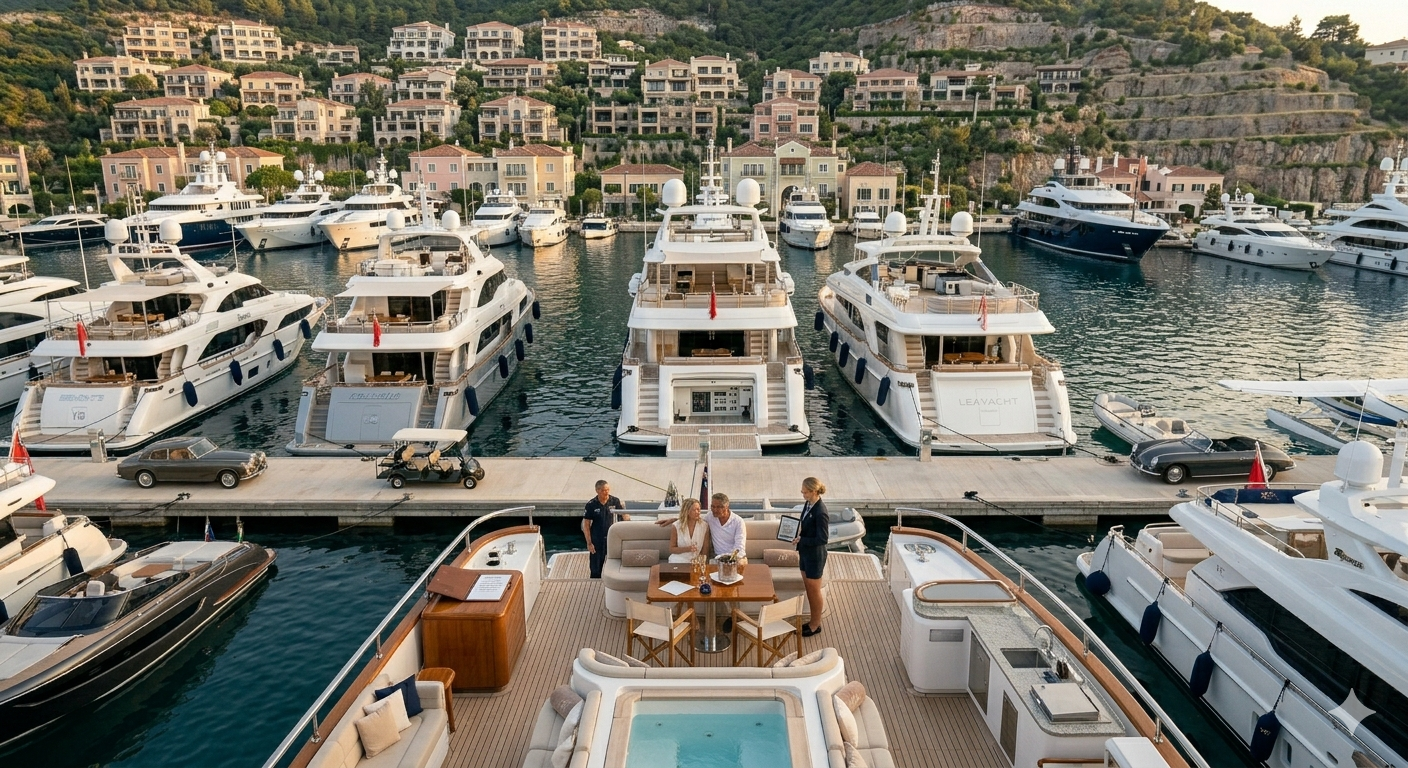
On a sun-drenched afternoon in the shimmering waters of the Mediterranean, a sleek yacht glided gracefully towards its home marina in Monaco. The scene was nothing short of idyllic, yet what made it even more remarkable was that the luxury vessel was not owned by a single magnate, but rather a collective of eight enthusiasts who had each acquired a fraction of it. This is the world of fractional yacht ownership — a trend gaining unprecedented momentum in 2026, offering a sustainable and financially savvy alternative to traditional yacht ownership.
As the ranks of yacht enthusiasts grow, so too do the challenges of traditional ownership. Maintenance costs, docking fees, and the environmental impact of such opulent vessels have become increasingly scrutinized. Fractional yacht ownership presents an intriguing solution, allowing multiple parties to share the costs and joys of yacht ownership without the burdens of sole responsibility. This model is not only more accessible but is also increasingly aligned with a global shift towards sustainability.
In this article, we delve into the burgeoning world of fractional yacht ownership, exploring its rapid growth, the advantages it offers over traditional ownership, and its harmonious integration with eco-friendly technologies. We will also examine case studies of successful models and offer predictions for the future of this innovative market.
Key Takeaways
- Fractional yacht ownership allows multiple parties to share ownership and costs.
- The market for fractional yacht ownership is expanding rapidly in 2026.
- This model offers financial and environmental benefits over traditional ownership.
- Sustainable technologies are being integrated into fractional yacht fleets.
- Successful case studies highlight the potential of this growing trend.
The Emergence of Fractional Yacht Ownership
Fractional yacht ownership is not a new concept, but its recent resurgence is noteworthy. At its core, fractional ownership involves dividing the cost of a yacht among several owners, each of whom holds a share in the vessel. This allows owners to enjoy the luxury of yachting without shouldering the full financial burden.
According to recent market insights, the fractional yacht ownership industry is experiencing a significant boom. The number of shared ownership arrangements has skyrocketed, with a reported 25% increase year-over-year in 2026. The growth is fueled by a combination of rising interest in luxury travel and a pragmatic approach to spending amidst economic uncertainties.
The Benefits of Fractional Ownership
The advantages of fractional yacht ownership are manifold. Firstly, it significantly reduces the cost barrier that often prohibits many from entering the world of yachting. By dividing expenses such as maintenance, upgrades, and docking fees among several owners, yachting becomes more accessible.
Moreover, this model addresses the often underutilized nature of yachts. Many traditional owners find that their vessels spend more time moored than at sea. Fractional ownership maximizes usage, with each owner having designated times to enjoy their yacht, ensuring the vessel is frequently in use and well-maintained.
Green Waves: Sustainability in Fractional Fleets
In a world increasingly conscious of environmental impact, the yacht industry is no exception. Sustainable technologies are being woven into the very fabric of fractional yacht fleets. From advanced solar panel systems to hybrid engines, these innovations are reducing the carbon footprint of luxury vessels.
The integration of eco-friendly technologies not only attracts environmentally conscious buyers but also aligns with global regulatory trends. For instance, yachts equipped with efficient waste management systems and energy-saving features are becoming the norm in the fractional ownership space.
Success Stories in Fractional Models
Consider the case of "Ocean Collective," a leading fractional yacht ownership program that has successfully combined luxury with sustainability. Each of their yachts is fitted with the latest in green technology, and the program has seen a 40% increase in participants over the last two years.
Ocean Collective's success lies in its innovative approach to ownership. They have developed an app that allows owners to seamlessly schedule their time on the yacht, manage expenses, and even connect with other owners to exchange sailing stories and tips.
The Future of Fractional Yacht Ownership
Looking ahead, the future of fractional yacht ownership seems bright and promising. As the market continues to expand, we can expect to see even more integration of smart technologies, making the experience both luxurious and efficient. Additionally, as more people embrace this shared model, the stigma of "partial ownership" will continue to diminish, making it a mainstream choice for luxury enthusiasts.
In the coming years, we may also see the introduction of fractional ownership for superyachts, allowing an even broader audience to access the pinnacle of maritime luxury. As regulations tighten and consumer expectations evolve, fractional ownership could very well redefine the landscape of yacht ownership.
Frequently Asked Questions
What is fractional yacht ownership?
Fractional yacht ownership is a model where multiple individuals share the ownership of a yacht, dividing the costs and responsibilities associated with it.
How does fractional ownership differ from yacht timeshares?
While both involve shared access, fractional ownership typically involves a more significant equity stake in the yacht, whereas timeshares often provide only usage rights without ownership.
Are fractional yachts environmentally friendly?
Many fractional yacht programs are integrating sustainable technologies such as hybrid engines and solar panels to minimize environmental impact.
Conclusion
As fractional yacht ownership sails into the mainstream, it offers a compelling vision for the future of luxury at sea. By marrying financial pragmatism with environmental responsibility, this model represents a watershed moment in the yacht industry. The sea, once a symbol of individual opulence, is becoming a shared playground for those who seek both luxury and sustainability. And for the savvy yacht enthusiast, fractional ownership may just be the golden ticket to an ocean of possibilities.