The Rise of Co-Ownership Models in the Yacht Industry: Trends and Insights for 2026
The Rise of Co-Ownership Models in the Yacht Industry: Trends and Insights for 2026
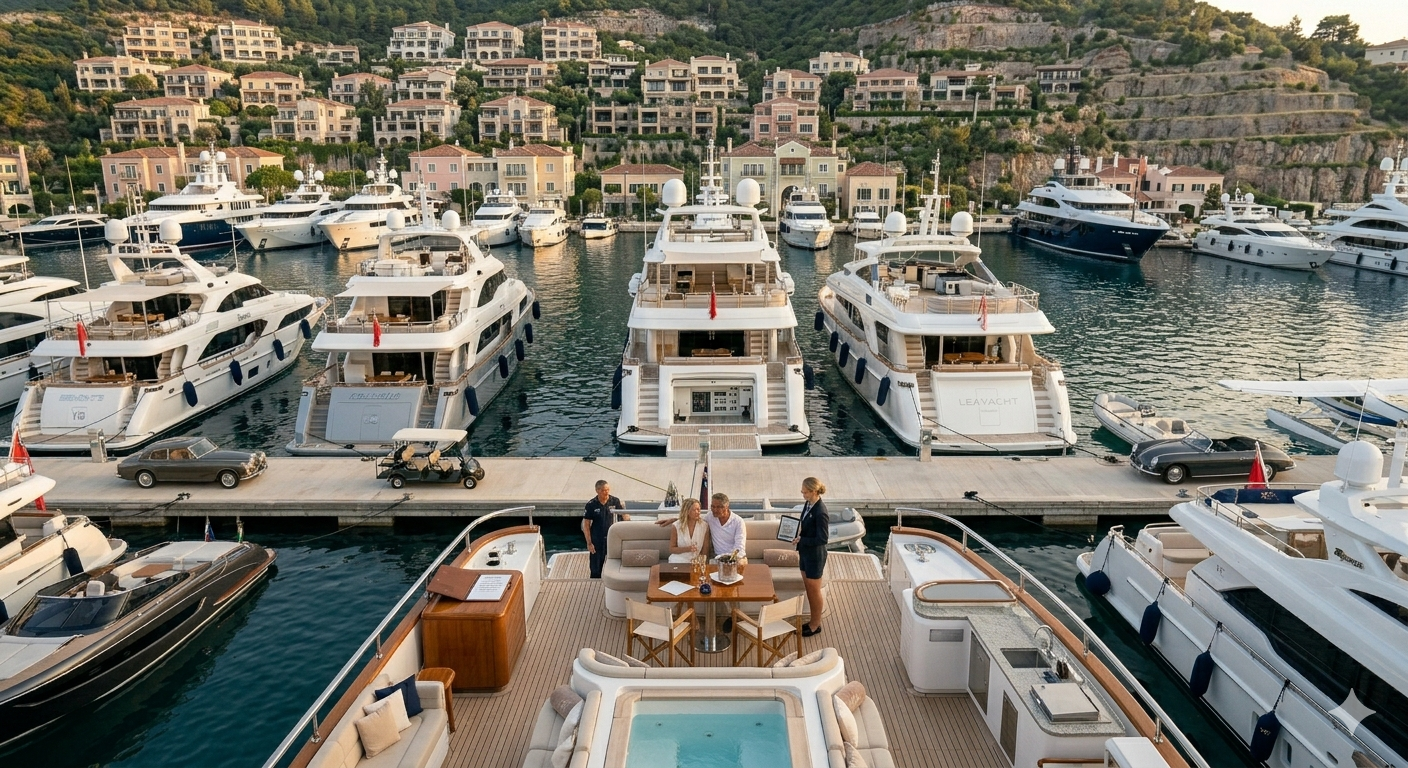
In the glitzy harbors of Monaco, amidst the gleaming hulls of superyachts and the hum of luxury engines, a discreet revolution is quietly taking shape. It’s not marked by a new yacht design or an extravagant launch party. Instead, it lies in how yachts are owned. Across the world, a new generation of maritime enthusiasts is embracing a different kind of ownership — one that promises the luxury of yachting without the massive financial commitment. Welcome to the era of yacht co-ownership.
For decades, the conventional image of a yacht owner was that of a single affluent individual or family, the kind who might have also owned a private jet or a villa in Sardinia. But as we wade further into 2026, this picture is evolving. More and more, millennials and Gen Z are stepping onto the decks, not as sole owners but as part of co-ownership arrangements. These savvy younger buyers are reimagining what it means to enjoy luxury on the high seas. Why own a yacht entirely when you can share the experience, the cost, and the adventure?
Understanding Yacht Co-Ownership
At its core, yacht co-ownership is a simple yet transformative concept. It involves multiple parties sharing ownership of a single yacht, thereby dividing the costs and responsibilities. This model provides each owner with a fractional stake, translating into a set amount of time they can spend on the yacht each year. By splitting expenses such as maintenance, mooring fees, and crew salaries, co-owners can indulge in the luxury of yachting at a fraction of the cost of full ownership.
This model is particularly appealing to the new cohort of yacht enthusiasts who prioritize experiences over possessions. Many of these individuals have grown up in an era where access trumps ownership, valuing the freedom to explore over the burdens of maintenance. The rise of the sharing economy — think Airbnb and Uber — has ingrained a mindset where sharing high-value assets is not just acceptable but preferable.
Millennials and Gen Z Leading the Charge
As the torch of yacht ownership passes to a younger generation, the shift towards co-ownership is becoming more pronounced. Millennials and Gen Z, characterized by their digital savviness and sustainability consciousness, are less inclined to tie themselves down with the hefty responsibilities of full yacht ownership. According to a recent report by Patric Daccache, these generations are drawn to co-ownership models because they align with their values of flexibility, environmental responsibility, and community.
This demographic also tends to view traditional ownership as a relic of the past, akin to buying CDs or owning a landline phone. They favor models that offer the same opulence and adventure but with greater financial prudence and environmental awareness. By participating in co-ownership, they can indulge in their love for the sea while also being mindful of their carbon footprint.
Financial Implications and Cost-Sharing Benefits
The financial allure of co-ownership cannot be overstated. Traditional yacht ownership can be prohibitively expensive, often involving not just the purchase price but also ongoing costs that can run into millions annually. Co-ownership, however, allows these expenses to be distributed among several owners, making it a viable option for those who might otherwise be priced out of the market.
Platforms facilitating yacht co-ownership often offer flexible financing options and expert management services, handling everything from booking schedules to maintenance. This not only reduces the financial barrier but also alleviates the logistical stresses of yacht ownership. As one yachting veteran aptly put it, "It’s like having all the joy of a yacht without the headaches."
Successful Co-Ownership Models and Platforms
Several platforms have emerged as pioneers in the yacht co-ownership space, each crafting unique approaches to attract and retain clients. Companies like SmartYacht and YachtLife offer structured co-ownership plans that cater to varying levels of interest and investment. For instance, SmartYacht provides fractional ownership options that allow co-owners to customize their share size and access time based on their preferences.
These platforms have proven successful by capitalizing on the communal aspects of yachting — organizing events, shared voyages, and networking opportunities for co-owners. This not only enhances the ownership experience but also fosters a sense of community among members, turning financial partners into lifelong friends.
The Future of Co-Ownership in the Yacht Market
As we look to the horizon, the prospects for co-ownership in the yacht market are promising. Influenced by shifting societal values and economic realities, co-ownership is no longer a niche option but an increasingly mainstream choice. It is poised to reshape the luxury yachting industry, making it more accessible and sustainable.
With technological advancements like AI and smart yacht technology anticipated by 2026, the co-ownership experience is set to become even more seamless. Automation will further reduce operational headaches, allowing owners to focus solely on enjoying their time at sea.
Practical Advice for Aspiring Co-Owners
For those considering stepping into the world of yacht co-ownership, it’s important to conduct thorough research and due diligence. Begin by assessing your own usage needs and financial capacity. Understand that effective communication with co-owners is key, as is selecting a reliable management platform.
Experienced co-owners emphasize the importance of having clear agreements in place that outline each party’s rights and responsibilities. This can prevent potential conflicts and ensure a smooth sailing experience for all involved.
Frequently Asked Questions
What is yacht co-ownership?
Yacht co-ownership involves multiple parties sharing ownership of a single yacht, thereby splitting costs and responsibilities. Each owner enjoys a fractional share of the yacht's usage.
How does co-ownership benefit younger generations?
Co-ownership aligns with millennials' and Gen Z's values of flexibility, cost-effectiveness, and sustainability, offering luxury without the full financial and operational burden.
Are there successful platforms for yacht co-ownership?
Yes, platforms like SmartYacht and YachtLife provide structured co-ownership plans, offering management services and flexible ownership options.
Conclusion
In an industry long defined by exclusivity and opulence, yacht co-ownership is charting a new course towards inclusivity and shared luxury. By redefining what it means to own a yacht, this model opens the marine lifestyle to a broader audience. As technology continues to evolve and societal values shift, co-ownership will likely become a cornerstone of modern yachting. For those dreaming of a life at sea, sharing might just be the key to unlocking new horizons.